1. Home
  2. Computing
  3. News

Tired of AI slop? This tool rewinds the internet to pre-ChatGPT era

This browser extension quietly rolls back the web to 2022

Add as a preferred source on Google
slop-evader-browser-extension
Tega Brain

What’s happened? If the internet lately feels like it has been swallowed by AI-generated junk, there’s a new tool that might help clean things up. Slop Evader is a browser extension that filters your search results, so you only see content published before November 30, 2022. That is the day ChatGPT launched, which later triggered the massive surge of AI-generated content online. If you install this extension on Chrome or Firefox, your searches skip the deluge of AI-slop and show you the era of pre-ChatGPT internet.

How does it work? Slop Evader does not scan for AI like DuckDuckGo. Instead, it applies a date filter in your search query to exclude results created after the cutoff date. That way, you avoid AI-generated articles, synthetic media spam, and other low-quality AI content in search results. It currently filters searches on popular sites where AI slop is common, including YouTube, Reddit, Stack Exchange, and the parenting site MumsNet.

Why it matters? Generative AI has created a wave of ‘fast content’ which is often low-effort, repetitive, or even misleading at times. This kind of output can overwhelm search results and social feeds. Slop Evader pulls the plug on such content and offers a chance to reclaim the old-school internet with reliable articles and authentic human opinions.

Recommended Videos

The upside and the trade-offs: Using Slop Evader means giving up access to recent results. This means no news, blog posts, research, or websites created after November 2022. If you rely on current info, that’s a heavy trade-off, but this restriction is deliberate. According to the creator, Tega Brain, the goal isn’t to permanently block AI content, but to make people more aware of how much synthetic information they normally accept without questioning it (via 404 Media).

OK, what’s next? Brain has been very clear that Slop Evader is not a permanent solution.

  • The real purpose is to push people to question what kind of online world they are accepting.
  • She plans to expand support to more sites and is also working on a version that uses DuckDuckGo’s search index instead of Google’s.

In the end, Slop Evader is not about nostalgia. It is a reminder that change will only happen if people demand a more human web.

Manisha Priyadarshini
Manisha Priyadarshini is a tech and entertainment writer with over nine years of editorial experience.
Deepfake bosses are crashing video calls, and researchers are trying to expose them
Seeing your boss on video no longer proves they are real
Researchers at Fraunhofer SIT are fighting against deepfake meeting video calls

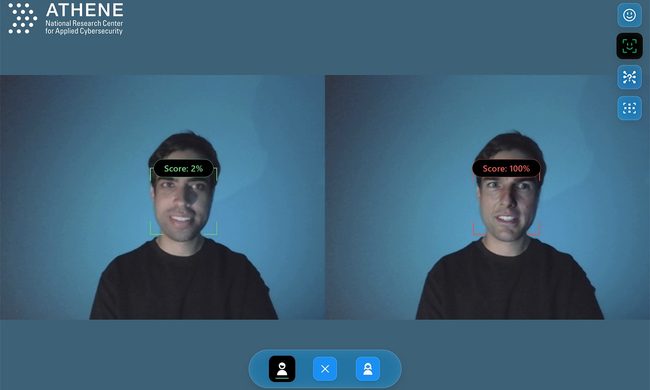
Entering into a meeting with your boss and several familiar coworkers inside a video conference is the next area vulnerable to cybercrimes, and it's all because of deepfake technology. Researchers at the Fraunhofer Institute for Secure Information Technology SIT are working on a real-time warning system designed to identify attempted fraud during corporate video conferences.

The report states that criminals are increasingly targeting video meetings for identity theft and financial scams, taking advantage of the trust people place in familiar faces and voices. The intention is to flag suspicious activity while the meeting is still taking place. This gives an employee a chance to stop before following an expensive instruction from an AI-generated executive.

Read more
Apple will finally stop making iPhone-to-Windows copy-paste such a chore
Your iPhone may finally copy and paste with a Windows PC like it should
Apple Universal Clipboard feature

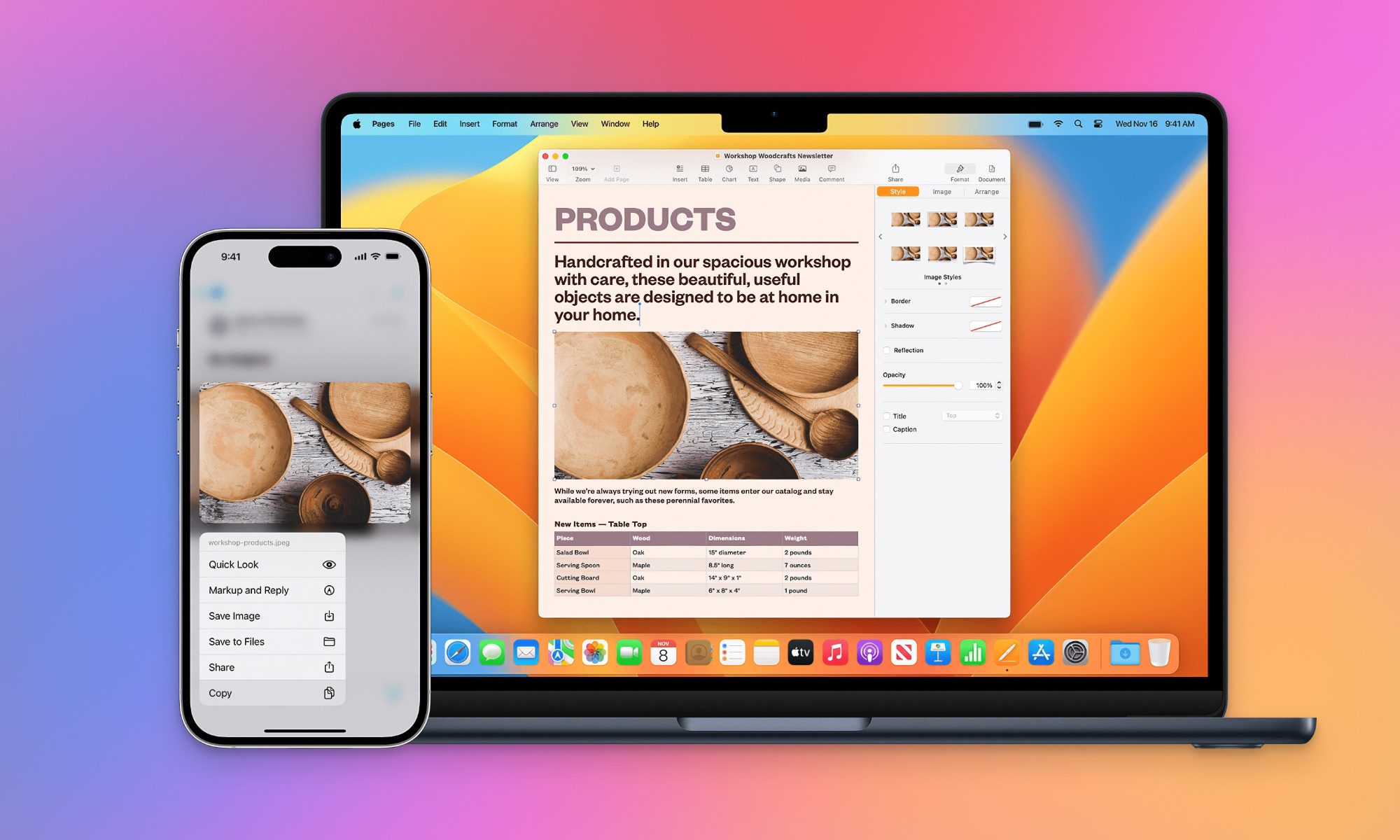
Copying something on an iPhone and pasting it onto a Windows PC should be one of the least remarkable features imaginable. While this simple process seems effortless between an iPhone and Mac, Windows users are still left waiting.

Now, Microsoft is formally asking Apple to provide interoperable clipboard access through the company’s European Union interoperability process. The request, submitted on March 25, argues that iOS restrictions prevent third-party platforms from creating an experience comparable to Apple’s Universal Clipboard. Apple has now reached Phase III and committed to developing a solution.

Read more
Chrome wants more extension reviews, but good ratings won’t keep malware out
Google is testing built-in extension review prompts, but good ratings can still hide malware
malicious-google-chrome-extensions-on-web-store

Google is preparing to add extension review links directly inside Chrome, putting feedback closer to the menus people already use to manage their add-ons.

A Chromium change, first spotted by Windows Report, points to review options in the Extensions menu, the chrome://extensions management page, and extension context menus. Only eligible Chrome Web Store extensions in good standing would qualify, and the feature is still under development.

Read more