  1. Home
  2. Phones
  3. News

Android’s Find Hub now lets you switch up map views for easier device tracking

You can now toggle between street, satellite, terrain, and traffic views.

Add as a preferred source on Google
A promotional image showing Google's Find Hub.
Google

Google is rolling out a useful update for its Find Hub app on Android, which adds multiple map layers to offer users a richer device-tracking experience. So far, Find Hub only offered users a basic street map view when tracking devices. With the new update, the app has received three more map layers that let users switch between traffic, satellite, and terrain views.

Users can change layers by tapping the new floating action button (FAB) in the top-right corner of the main map screen. This opens a pop-up menu with three map types, Default, Satellite, and Terrain, along with a Map details option for the traffic view. These layers bring Find Hub’s map closer in functionality to Google Maps, giving users more contextual information while tracking Android devices or wearables.

The Satellite view helps users spot landmarks in unfamiliar areas, terrain view makes it easy to understand elevation changes, and the traffic overlay can help users plan their route when heading out to retrieve a lost device. The quality-of-life change should greatly improve usability, allowing users to easily track family devices and wearables.

New map layers are rolling out gradually

According to 9to5Google, the new map layers are rolling out to users in version 3.1.485-2 of the Find Hub app via a server-side update. It appears to be a gradual rollout, and should reach all users over the coming days. Once live, users should see the new FAB on the map view underneath the account switcher.

Recommended Videos

While it’s a minor update, the addition of map layers shows that Google is paying attention to small ways its apps can become more useful. For users who often rely on Find Hub, it’s a welcome change that makes tracking devices easier, faster, and more intuitive, especially in places where the basic street view may not provide enough detail.

Pranob Mehrotra
Pranob is a seasoned tech journalist with over eight years of experience covering consumer technology. His work has been…
OnePlus is building another flagship monster for a shrinking audience, and its expected to launch in October
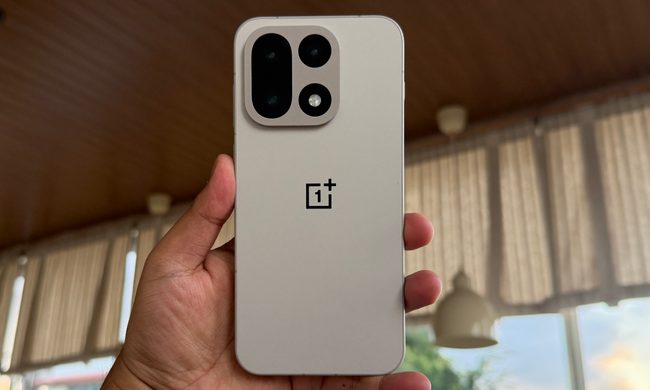
OnePlus 16 could launch in October, but it may not leave China
Rear shell of OnePlus 15.

While OnePlus may have exited the US and Europe, the brand is still alive in its home market and is already working on its next flagship smartphone. A fresh leak from Chinese tipster Digital Chat Station has now revealed more details about the OnePlus 16, including its design and a revised launch timeline.

The tipster previously claimed that the phone would arrive in September 2026, but the latest information points to an October launch in China (via Gizmochina). The global picture is far less clear, and there is now even some doubt over whether the OnePlus 16 will make it to India, which remains the company’s biggest market.

Read more
Samsung has another wild foldable phone lined up for 2027 and it will excite screen connoisseurs
Samsung wants another giant OLED folding inside your pocket
Samsung Galaxy TriFold unfolded

Samsung just gave foldable fans a wider 4:3 canvas with the Galaxy Z Fold 8. But that still isn't enough screen for the company. Samsung has reportedly begun early development of a successor to the Galaxy Z TriFold, its dual-hinged phone that unfolds into something much closer to a proper tablet.

According to Korean publication ETNews, Samsung has already shared information about the next-generation project with suppliers, but its final specifications have yet to be decided. One detail should immediately grab the attention of anyone who buys a foldable primarily for its display. A source familiar with the project told ETNews that Samsung is currently targeting a screen size similar to the original TriFold.

Read more
Android’s most powerful app permission could soon come with a much scarier warning
New Android 17 language spells out how trusted apps may interact with your screen while your device remains locked
Electronics, Mobile Phone, Phone

Android 17 could make one of its most powerful app permissions harder to approve without a second thought. New warning text explains that trusted apps may view and interact with screen content, even while the phone is locked.

Nerd’s Chalk uncovered the language in an APK teardown of Android 17 QPR2 Beta 1. The feature isn’t active, but Google’s description now leaves considerably less to the imagination.

Read more