  1. Home
  2. Wearables
  3. News

Samsung plans to use your Galaxy Watch to spot early signs of dementia

New Brain Health tracking feature is coming to Samsung Health app

Add as a preferred source on Google
Wristwatch, Arm, Body Part
Samsung

Samsung Electronics is getting ready to showcase one of its most ambitious health features called Brain Health. The new feature is designed to help detect early signs of cognitive decline and early-stage dementia by quietly analyzing everyday data people already generate through their phones and wearables.

Samsung is reportedly planning to demonstrate the feature during its CES 2026 preview events in Las Vegas, positioning it as a major step forward in digital health (via Sam Mobile).

How Samsung’s Brain Health feature works

Brain Health collects and analyzes daily data such as voice patterns, gait changes, and sleep behavior using Samsung smartphones and wearable devices. By tracking how these patterns evolve over time, the system can flag potential cognitive changes and notify users or caregivers if something appears off.

The goal is not to replace doctors, but to surface warning signs early and encourage timely medical attention. Samsung also says the service will offer preventative guidance and personalized brain training programs to maintain or improve cognitive function.

Recommended Videos

Privacy is a major focus. According to Samsung, sensitive health data is processed directly on the device rather than being sent to the cloud. The company is relying on Samsung Knox to secure this information, keeping personal health insights protected while still delivering real-time analysis.

Samsung has reportedly completed most of the development work for Brain Health and is currently conducting clinical trials in collaboration with medical institutions. The company has not confirmed an exact launch date or which devices will support the feature first, but it has said Brain Health is in its final stages and will play a central role in its expanding healthcare strategy.

Brain Health will integrate with the Samsung Health ecosystem, which already covers sleep, fitness, heart health, and nutrition across devices such as Galaxy Watch and Galaxy Ring.

The feature is expected to be part of Samsung’s wider CES 2026 showcase, where the company is also set to highlight major updates across TVs, displays, and its broader consumer tech lineup.

Manisha Priyadarshini
Manisha Priyadarshini is a tech and entertainment writer with over nine years of editorial experience.
The Pixel Watch 5 just leaked in full before Google’s August 12 event
Google’s next smartwatch could rely on Gemini and health features over new hardware
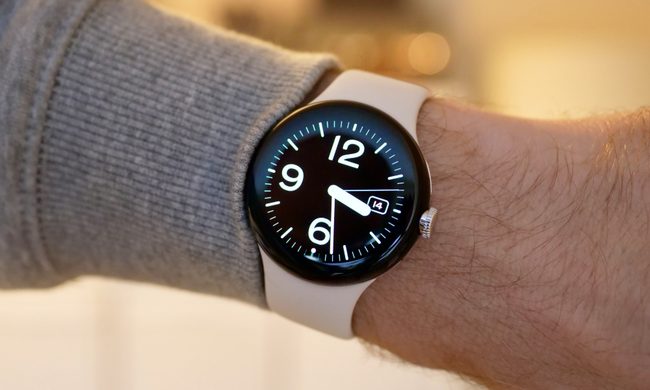
Pixel Watch on Wrist

Google’s Pixel Watch 5 may be an even smaller hardware upgrade than previous reports suggested. Marketing material and a technical document obtained by MyMobiles (in collaboration with @OnLeaks) reportedly show the same Snapdragon W5 Gen 2 processor, 3,000-nit display, charging speeds, and battery-life estimates as the Pixel Watch 4.

The main hardware change appears to be 64GB of storage, twice as much as last year. Google is also expected to ship the watch with Wear OS 7 and slightly larger batteries. Gemini and updated health features could end up doing most of the heavy lifting on the upcoming smartwatch.

Read more
Australia just set a horrific example for creep behavior with low-cost smartglasses
Accessories, Glasses, Adapter

We've reached the point where AI-powered smart glasses are no longer just expensive gadgets for early adopters. Now, they're cheap enough to end up in a shopping cart alongside kitchenware and school supplies. That's exactly what's happening in Australia, where Kmart's new Anko AI Camera Glasses have completely sold out across the country. Priced at just AU$89, the wearable undercuts Meta's Ray-Ban smart glasses by a huge margin while offering many of the same features, including photo capture, HD video recording, AI assistance, music playback, and hands-free calling.

The rapid sellout suggests there's real interest in affordable smart glasses. But it has also reignited a conversation that refuses to go away: What happens when wearable cameras become so inexpensive that almost anyone can buy one?

Read more
Apple’s next big health bet could be turning glasses and headsets into fitness companions.
A focus on fitness could help Apple separate its glasses from Meta’s approach
Apple Vision Pro

Apple’s long-rumored smart glasses are already running late as the company tries to avoid the privacy concerns that come from putting cameras on someone’s face. At the same time, Apple may be planning to turn them into something far more useful than a typical pair of smart glasses.

According to Bloomberg, Apple is exploring ways to turn its future glasses and Vision headsets into health and fitness companions. Their cameras and sensors could eventually track movement, analyze workouts, and help users improve how they exercise.

Read more