1. Home
  2. Phones
  3. News

Google is planning an iPhone-like face unlock system for Pixel phones and Chromebooks

From hybrid NIR sensors to under-display infrared emitters, Google may be preparing a major biometric upgrade for the Pixel 11 and next-generation Chromebooks.

Add as a preferred source on Google
Top half of the Pixel 10 display, showing home screen with a world clock widget
John McCann / Digital Trends

Folks over at Android Authority have learned about Google’s “Project Toscana,” which seesms to be a codeword or internal name for facial recognition technology. What’s interesting is that the company is working to integrate the technology on both Pixel phones and Chromebooks.

The publication’s source has used the advanced facial recognition technology on a Pixel phone with only a single punch-hole camera on the front, and two Chromebooks (with the help of external cameras), under varied lighting conditions.

Hardware mystery: How does it work?

So, unlike the current AI-based face unlock on Pixel phones, which isn’t quite useful in poorly lit environments, Project Toscana seems to work in both good and poor lighting conditions. In fact, the publication goes so far as to say that the experimental tech works as “quickly” as Apple’s Face ID.

Recommended Videos

What’s puzzling me, however, is the fact that the advanced face unlock system has been tested on a phone with a punch-hole cutout, likely housing a single camera sensor. The report doesn’t mention any specialized hardware that enhances the technology’s accuracy.

In comparison, Apple’s iPhones include a dedicated IR dot projector that projects more than 30,000 IR dots onto the user’s face and an IR camera that reads the dot pattern reflected from the face, and it is to hide all these sensors that the latest iPhones come with a Dynamic Island.

Could it be Tensor power and computational security?

From what I can read between the lines, Google’s Project Toscana could leverage hybrid camera sensors that may be able to capture both visible light and near-infrared (NIR) wavelengths.

Further, the mechanism could also include time-of-flight integration and computational liveness checks (via the advanced image signal processor on the proposed Tensor G6 chip).

Given that it isn’t clear whether the outlet’s source tested the feature on an existing Pixel or an upcoming model, I can’t comment on it with utmost surety.

If it’s an unreleased Pixel phone (likely the Pixel 11 due for a launch later this year), it might feature an invisible IR emitter tucked under the screen, something that has been rumored in the past as well.

Keeping the technical aspect of Project Toscana aside, it’s great to hear that Google is working to improve its facial recognition technology. We can expect the future Pixels, likely the Pixel 11, to feature the technology.

Shikhar Mehrotra
For more than five years, Shikhar has consistently simplified developments in the field of consumer tech and presented them…
Google’s long-awaited AirTag rival just leaked ahead of launch under a familiar name
Electronics, Computer Hardware, Hardware

Google has spent the last few years expanding Android's Find Hub network, making it easier to track lost devices and accessories. But there's been one obvious piece missing from the puzzle: a first-party tracker of its own. That may finally be about to change.

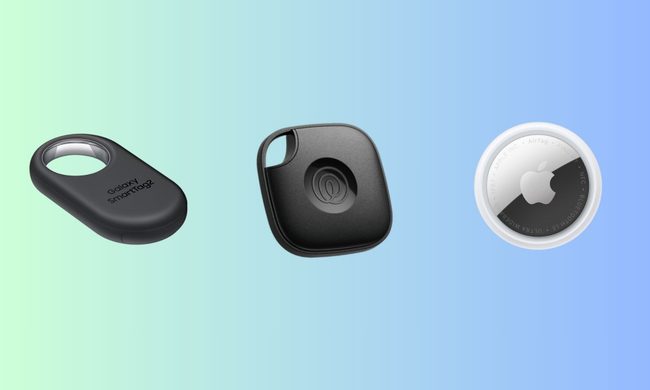
According to a report from 9to5Google, Google's long-rumored Pixel Tag has finally broken cover. The accessory has appeared in multiple online listings, with the report also revealing what seems to be its first leaked image, offering an early look at Google's answer to Apple's AirTag and Samsung's Galaxy SmartTag.

Read more
Galaxy S26 FE may recycle the cameras buyers hoped Samsung would replace
Only the Fan Edition’s ultrawide and selfie cameras may see changes
Samsung Galaxy S25 FE in Blue

Samsung has already confirmed that the Galaxy S26 FE is coming later this year, and we may now know what cameras it will bring. Android Authority has uncovered sensor details suggesting Samsung will reuse much of the Galaxy S25 FE’s camera hardware. Based on evidence reviewed by the publication from a trusted source, the Galaxy S26 FE is internally known as “r14.”

The more interesting details concern the cameras. Samsung is reportedly using the 50MP ISOCELL GN3 for the main sensor, the same one found in the Galaxy S25 FE. On that phone, it comes with a 1/1.57-inch sensor, an f/1.8 aperture, dual-pixel autofocus, and optical image stabilization.

Read more
Galaxy Z Fold 8: Everything we know
Samsung's boldest foldable redesign yet is now official, with a lighter build, a genuinely useful cover screen, and pricing that undercuts the pricier Fold 8 Ultra.
Symbol, Electronics, Mobile Phone

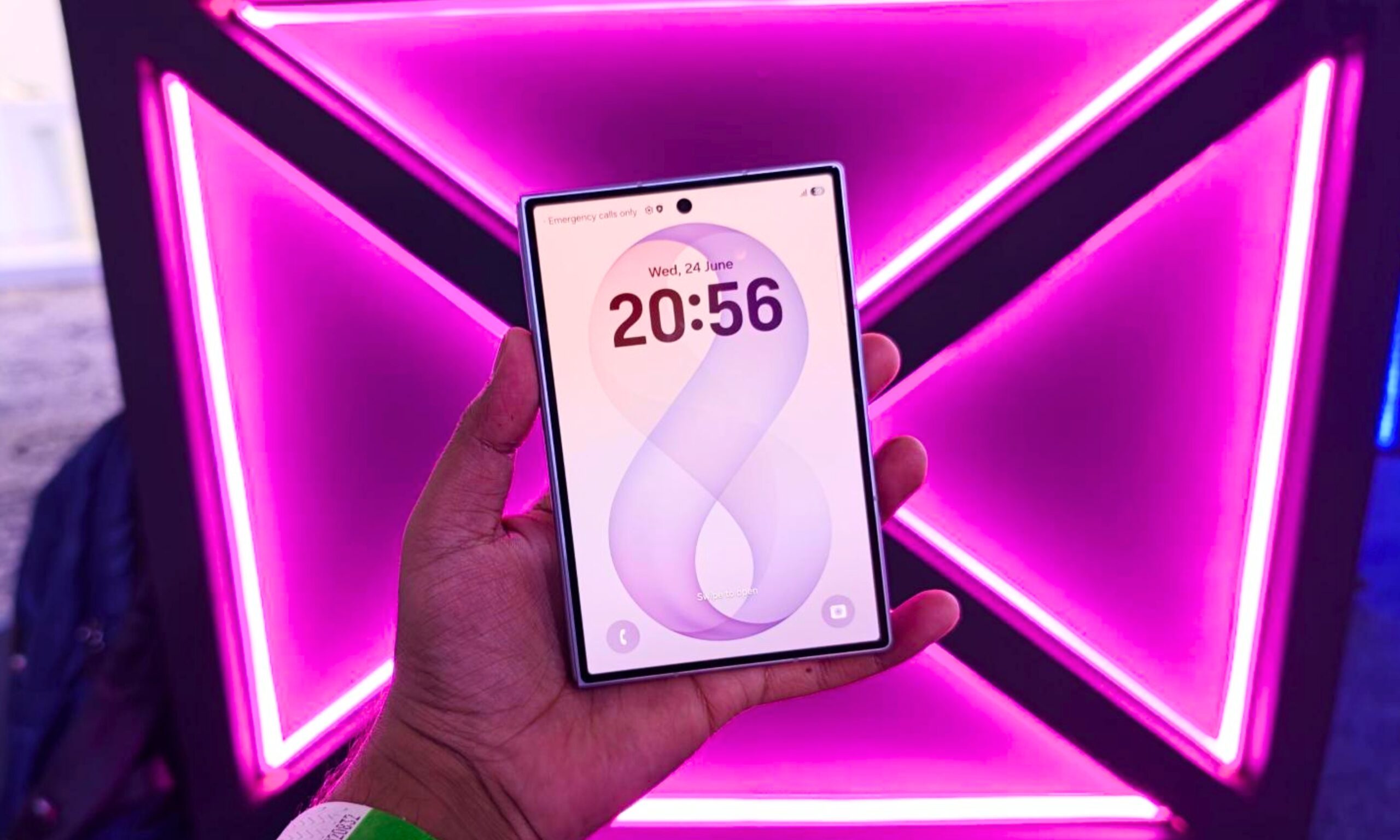
For most of its existence, the Samsung Galaxy Z Fold has solved one problem while creating another. The book-style foldable has let buyers carry a tablet-sized screen in their pocket without actually carrying a tablet. But, through no fault of its own, that came at the cost of a cover screen so tall and narrow that using it one-handed felt unnatural and uncomfortable. 

Viewing content on the inner screen came with giant black bars at the top and bottom, too. Samsung has now fixed that with the Galaxy Z Fold 8, and it's official: shorter, wider, passport-shaped, and a cover screen you can actually type on without contorting your fingers.

Read more