1. Home
  2. Phones
  3. News

A smartphone giant spills the beans on absurd price hike for compoents

The DRAM crisis now has a shockingly specific price tag, and Xiaomi is the rare tech giant willing to tell consumers exactly what is happening to component costs.

Add as a preferred source on Google
Picture of the Xiaomi 17 Ultra with a hand around the rotating zoom ring.
Xiaomi

Xiaomi just did something most tech companies have been shying away from — it told the truth about the rise in smartphone memory prices. Lu Weibing, the president of Xiaomi’s smartphone division, took to Weibo (the Chinese microblogging platform) to spill the beans on exactly how the ongoing DRAM crisis has affected its overall manufacturing cost. 

How bad are the numbers?

Sourcing 12GB of RAM paired with 512GB of storage now costs Xiaomi roughly 1,500 yuan, about $220, more than it did just a year ago. Yes, you read that right. That’s nearly a fourfold jump in memory costs compared to the first quarter of 2025. 

Recommended Videos

To put things in perspective, 12GB of memory and 512GB of storage are quite common on upper mid-range Android smartphones. Anyone who doesn’t want to spend top dollar on Android flagships but wants decent specifications and value for their money goes for such models. 

However, that is not the end of the story. For top-tier devices packing 16GB of memory and 1TB of storage, the situation is even worse. Weibing didn’t mention the exact figure for such a model, which says plenty on its own. Naturally, the company can’t absorb such a steep rise in the component cost.

Who gets hit first, and when?

The Redmi lineup takes the first hit. Three models, including the Redmi K90 Pro Max, the Redmi Turbo 5, and the Redmi Turbo 5 Max, will see price increases in the company’s native market starting April 11, 2026. It’s quite ironic how Redmi, the brand built around the promise of affordable pricing, is the one suffering the most.

Global markets haven’t been targeted yet, though internationally, Xiaomi’s pricing already runs higher, which would help it absorb the shock. Weibing mentions that the prices will drop once the memory market stabilizes. However, we’ve heard plenty of market analysts and reports claiming that the memory crisis is here to stay until the end of this decade

Shikhar Mehrotra
For more than five years, Shikhar has consistently simplified developments in the field of consumer tech and presented them…
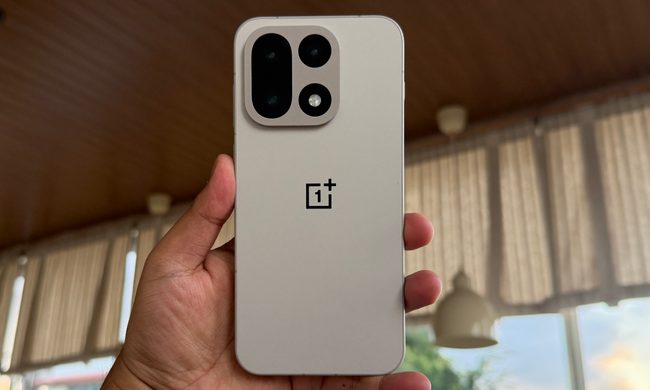
OnePlus is building another flagship monster for a shrinking audience, and its expected to launch in October
OnePlus 16 could launch in October, but it may not leave China
Rear shell of OnePlus 15.

While OnePlus may have exited the US and Europe, the brand is still alive in its home market and is already working on its next flagship smartphone. A fresh leak from Chinese tipster Digital Chat Station has now revealed more details about the OnePlus 16, including its design and a revised launch timeline.

The tipster previously claimed that the phone would arrive in September 2026, but the latest information points to an October launch in China (via Gizmochina). The global picture is far less clear, and there is now even some doubt over whether the OnePlus 16 will make it to India, which remains the company’s biggest market.

Read more
Samsung has another wild foldable phone lined up for 2027 and it will excite screen connoisseurs
Samsung wants another giant OLED folding inside your pocket
Samsung Galaxy TriFold unfolded

Samsung just gave foldable fans a wider 4:3 canvas with the Galaxy Z Fold 8. But that still isn't enough screen for the company. Samsung has reportedly begun early development of a successor to the Galaxy Z TriFold, its dual-hinged phone that unfolds into something much closer to a proper tablet.

According to Korean publication ETNews, Samsung has already shared information about the next-generation project with suppliers, but its final specifications have yet to be decided. One detail should immediately grab the attention of anyone who buys a foldable primarily for its display. A source familiar with the project told ETNews that Samsung is currently targeting a screen size similar to the original TriFold.

Read more
Android’s most powerful app permission could soon come with a much scarier warning
New Android 17 language spells out how trusted apps may interact with your screen while your device remains locked
Electronics, Mobile Phone, Phone

Android 17 could make one of its most powerful app permissions harder to approve without a second thought. New warning text explains that trusted apps may view and interact with screen content, even while the phone is locked.

Nerd’s Chalk uncovered the language in an APK teardown of Android 17 QPR2 Beta 1. The feature isn’t active, but Google’s description now leaves considerably less to the imagination.

Read more