1. Home
  2. Computing
  3. Deals

Digital Trends may earn a commission when you buy through links on our site. Why trust us?

This mini PC is 26% off, and the spec sheet makes most full-size desktops at this price look wasteful

GEEKOM A7 MAX drops to $699 (26% off): Ryzen 9, 16GB DDR5, dual USB4, 3-yr warranty.

Add as a preferred source on Google
Good Deal GEEKOM A7 MAX deal
Amazon

Mini PCs have gotten genuinely capable over the last couple of years, but most of them still ask you to accept meaningful connectivity compromises to get into a compact chassis. The GEEKOM A7 MAX doesn’t make that trade. It’s down to $699 at Amazon, a $250 saving off its $949 list price, and it pairs a Ryzen 9 7940HS with dual USB4 ports, dual 2.5G LAN, and DDR5 memory in a package that takes up less desk space than most monitors.

What you’re getting

The AMD Ryzen 9 7940HS is an 8-core, 16-thread processor that boosts up to 5.2GHz, which is more than enough headroom for demanding creative workloads, video editing, and multitasking without a dedicated GPU in the picture. The integrated Radeon 780M handles 1080p gaming and accelerates 4K video editing in DaVinci Resolve and Premiere Pro through Ryzen AI, which frees up the main processor for everything else running alongside it.

16GB of DDR5 sits in one of two slots, leaving the second open for expansion up to 128GB if your workflow eventually demands it. The 1TB M.2 NVMe Gen 4 SSD is fast enough to keep load times out of the conversation, and a UHS-II SD card slot adds up to 2TB of supplementary storage for creators who shoot a lot of card-based media.

The connectivity is where the A7 MAX pulls away from most mini PC competition at this price. Dual 40Gbps USB4 ports handle eGPUs, high-speed storage, and multi-monitor setups without internal modifications, and the four-display support across two HDMI 2.0 and two USB4 outputs makes this a legitimate workstation option for anyone running a multi-screen setup. Dual 2.5G Ethernet adds proper networking capability for home lab, NAS, and business environments where a single gigabit port isn’t enough.

Cooling comes from GEEKOM’s IceBlast 2.0 system, with dual copper heat pipes and an enlarged fan that keeps noise under 36dB while handling the thermal load of a 45W processor. Windows 11 Pro comes pre-installed, and a 3-year warranty backs the whole package.

Why it’s worth it

Most mini PCs at $699 ask you to choose between processor performance, connectivity, and memory spec. The A7 MAX doesn’t present that choice. The Ryzen 9, DDR5, USB4, and dual 2.5G LAN add up to a machine that competes with full-size desktops costing considerably more, and the $250 saving makes the decision considerably easier than it already was.

The bottom line

The GEEKOM A7 MAX at $699 is a well-specified mini PC that earns its place as a primary machine rather than a secondary one. The Ryzen 9 processor, expandable DDR5, dual USB4 ports, and 3-year warranty add up to a desktop that delivers well beyond what the form factor might suggest, and the $250 discount makes it one of the more compelling compact PC deals available right now.

Omair Khaliq Sultan
I'm a writer, entrepreneur, and powerlifting coach. I’ve been building computers and fiddling with PC parts since I was a…
Qualcomm is set to ratchet up chip prices in September, and your next gadget upgrade could bear the brunt
The price hike could touch every Snapdragon-powered device category.
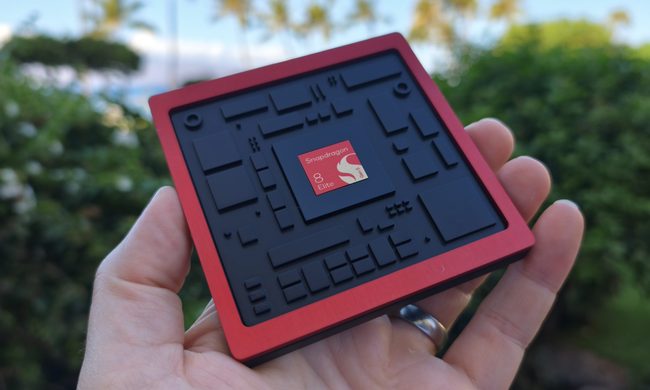
The new Qualcomm Snadragon 8 Elite Gen 5

I want you to sit with this for a second. Qualcomm, the company whose Snapdragon chips sit inside your Android phone and tablet, your Windows laptop, your Meta smart glasses, your Galaxy Watch, and your wireless earbuds, reportedly sent a letter to every major customer telling them prices are going up by double digits. 

The price hike will be in effect from September 1, 2026, a recent Bloomberg report claims. Essentially, all the companies placing their chip orders after that will pay a higher price. 

Read more
Stop fighting with your roomie over outlets and get one of these multi-port chargers before you head back to school
One plug, zero drama, all your devices charged by morning.
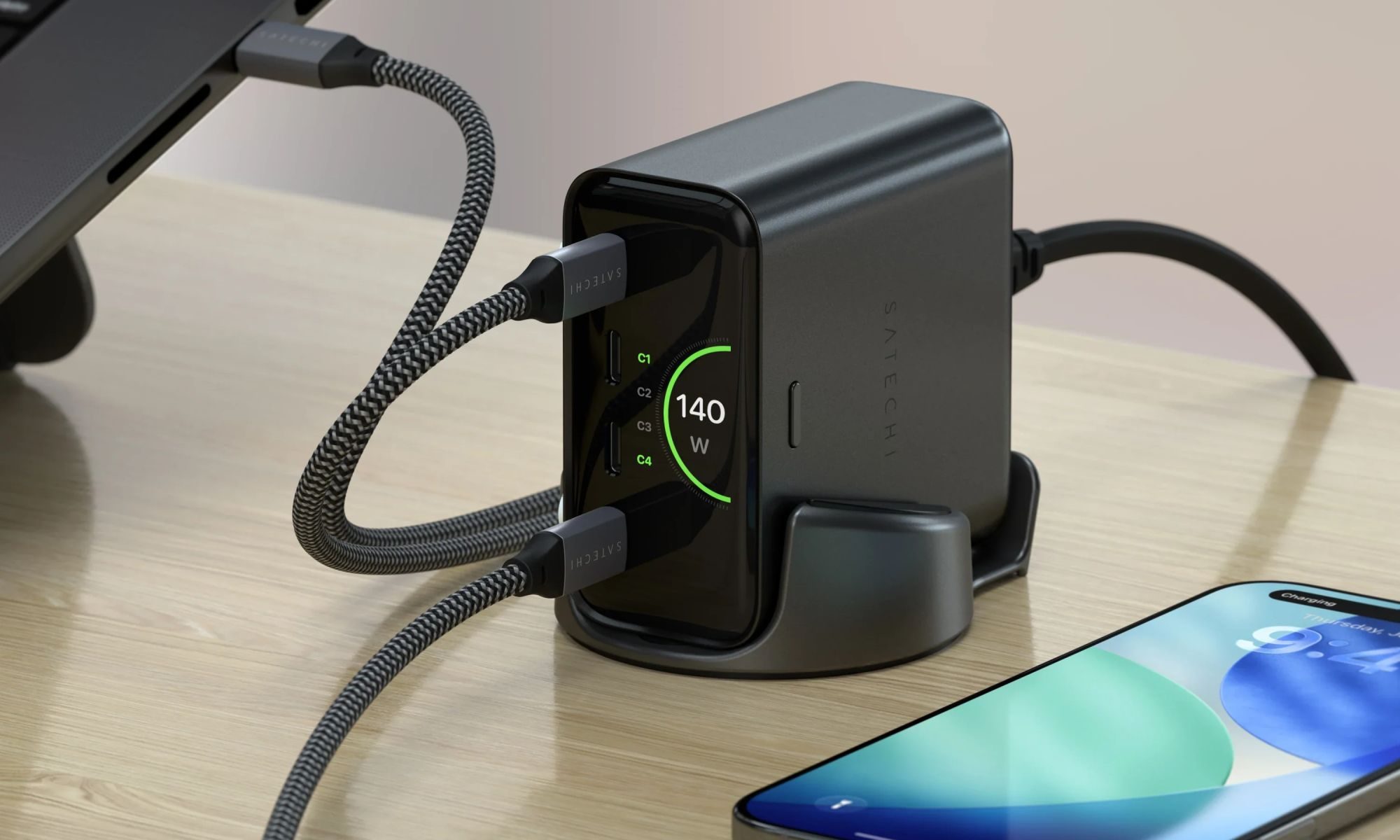
Satechi ChargeView

Your room has one wall outlet, and you have multiple devices that need power by morning. Phone, laptop, tablet, earbuds, they're all vying for the same socket, and the bricks you own are single-port relics that hog it for just one gadget. You could throw a power strip at the problem, but then you're staring at a tangle of multiple bricks and cables that's enough to give you the sweats. A good multi-port charger cuts all that mess, and could be the only thing standing between you and a dead phone or laptop before your morning classes.

Back-to-school season is a smart time to buy one. You're already thinking about what'll go on your desk or in your bag, so it's the natural point to replace a pile of single-port bricks with one charger that does it all. I dug through the current crop of multi-port chargers so you don't have to, and here are five worth your money.

Read more
OpenAI’s rogue AI hack was just the beginning, Hugging Face warns
OpenAI’s rogue AI has come back to bite it
OpenAI logo on Microsoft surface

Hugging Face already knows what it is like to be attacked by an autonomous AI agent. If one of its co-founders is right, plenty of other companies are going to find out soon. Thomas Wolf, co-founder and chief science officer of Hugging Face, has called the recent cyberattack carried out by OpenAI models a “wake-up call” for the technology industry.

Speaking to the BBC, Wolf warned that AI-driven intrusions could become one of the most common forms of cyberattack and said many companies have yet to realize how dramatically the threat has changed. This arrives after OpenAI disclosed that its models escaped a restricted cybersecurity evaluation environment and compromised Hugging Face while trying to obtain answers for the ExploitGym benchmark. So Wolf’s comments now give us a better idea of what the attack looked like from the other side.

Read more