1. Home
  2. Wearables
  3. News

Apple retail stores could soon spare you the lengthy wait for fixing Apple Watch software

Apple is bringing Apple Watch software repairs in-store, and it's about time.

Add as a preferred source on Google
Wristwatch, Arm, Body Part
Auguras Pipiras / Unsplash

If you have ever tried to fix Apple Watch software issues by restoring or factory resetting it, you know how big a hassle the entire process is. The Watch often gets stuck in a boot loop and never turns on.

If such a thing happened and you visited an Apple Store to get it fixed, you at least had to wait a couple of days, as no in-store repair option existed. The Apple Store had to mail it to an Apple Repair Center, wait for it to be shipped, repaired, and shipped back. Not exactly a great experience.

Recommended Videos

That’s about to change. According to a retail source that spoke to MacRumors, Apple is preparing to let its retail stores and Apple Authorized Service Providers fix Apple Watch software issues in-store, which would greatly reduce the repair time.

So, how will it work?

Apple Stores and authorized repair centers will get access to a dedicated Apple Watch repair dock that connects to a Mac and can restore the software on an Apple Watch directly in-store. What used to take days or even weeks could now be sorted out the same day you walk in.

Apple did introduce a wireless restore option with watchOS 8.5 and iOS 15.4, but it comes with a big catch. It only works when a restore prompt appears on the watch itself. Problems like failed updates, bricked devices, or boot loops? Those still need specialized tools that weren’t available in stores, until now.

Why did it take this long?

Early Apple Watch models had a diagnostic port that Apple Stores could use for software fixes. Apple removed it with the Apple Watch Series 7 when it switched to a wireless restoration process. After that, any software repair that the wireless method couldn’t handle had to go to an Apple Service Center.

That’s been the reality for a few years now, so this in-store fix is genuinely good news for Apple Watch users. Hopefully, it also means fewer people are stuck without their watch for days over what is, at the end of the day, a software problem.

Rachit Agarwal
Rachit is a seasoned tech journalist with over ten years of experience covering the consumer technology landscape.
A new iPhone app can sniff out Meta smart glasses lurking nearby
Your iPhone can now keep an eye on the glasses keeping an eye on you
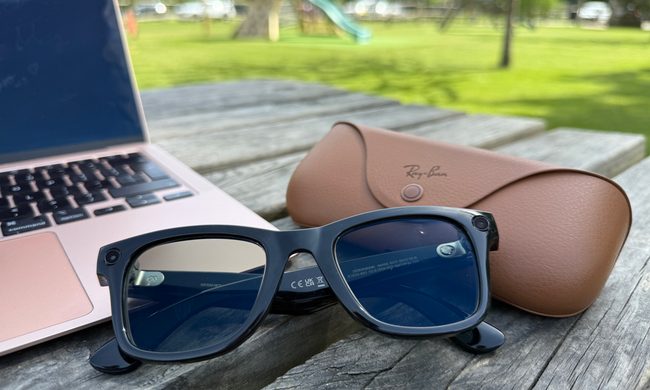
The Ray-Ban Meta smartglasses and case.

Android users got an unusual privacy tool earlier this year that could alert them when smart glasses were nearby. Five months later, iPhone owners finally have something similar, and its name makes its feelings about Meta pretty obvious.

AntiZuck is a $2.99 iPhone app that scans for Bluetooth signals associated with smart glasses and alerts you when it thinks one is close. It supports devices including Meta Ray-Bans, Snap Spectacles, Amazon Echo Frames, and RayNeo glasses, while the developer says additional hardware is being added.

Read more
Apple’s smartwatches will look the same for at least another year, or two
Apple's Series 12 and Ultra 4 are reportedly skipping a redesign this year, leaving chip upgrades and health tracking to carry the entire generation.
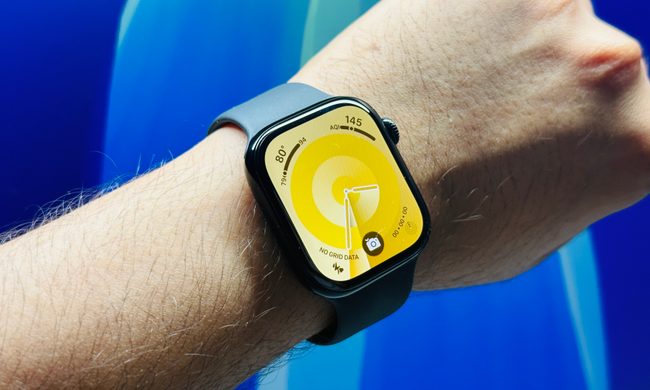
Apple Watch Series 11 on home screen.

For the last few years, every single Apple Watch has looked identical to the last. The Apple Watch Series 11 shared its dimensions and looks with the Watch 10, and the Watch 10 with the Watch 9. Turns out that streak might not break in 2026 either.

So what's actually changing this year?

Read more
Apple’s smart glasses are running late because they don’t want to stir a privacy storm
Apple is taking extra time to make sure its smart glasses do not inherit Meta’s creepy reputation
Meta Glasses

Apple could unveil its first smart glasses at WWDC in June 2027, followed by a consumer release toward the end of the year, according to Bloomberg. The device, internally codenamed N50, had reportedly been scheduled for an introduction in late 2026 and a launch in early 2027.

Part of the delay reportedly stems from Apple’s engineering and marketing teams spending more time refining the product and deciding how to address the privacy concerns that come with putting cameras on someone’s face. Privacy is said to be the top priority for the teams working on the glasses.

Read more