  1. Home
  2. Phones
  3. Features

Bumble will end the pain of swipes on dating apps. We don’t know what comes next

Bumble is also dropping its women-first rule, alongside the swipe, as it pivots to an AI-driven experience.

Add as a preferred source on Google
Bumble app on iPhone
Rachit Agarwal / Digital Trends

If the never-ending loop of swiping left and right sounds exhausting, Bumble finally agrees with you.

In an interview with Axios, CEO Whitney Wolfe Herd confirmed Bumble is scrapping the swipe entirely, replacing it with something she calls “revolutionary for the category.” She didn’t say what that is exactly, but the change rolls out in select markets starting Q4 2026.

Recommended Videos

Along with ditching the swipe, Bumble is also dropping its women-go-first rule, which required women to message first within 24 hours in heterosexual matches. Wolfe Herd says no gender will be forced to go first, though the spirit of that women-centric approach will apparently live on in some form.

What is Bumble actually planning?
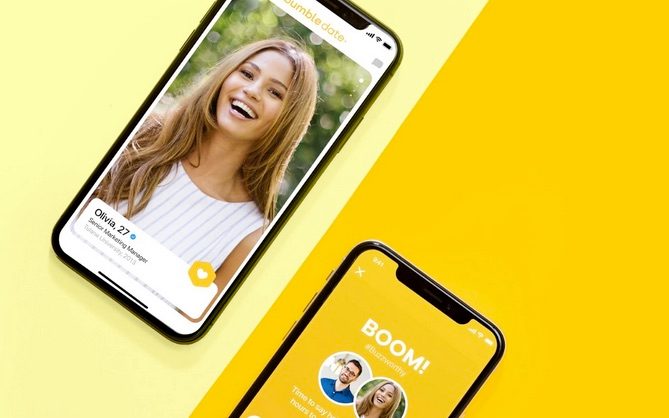
The most likely candidate is an AI-driven matchmaking experience. Bumble has been building toward this for a while. Earlier this year, the company introduced Bee, an AI assistant designed to interview new users, recommend matches, suggest date ideas, and gather feedback to improve future recommendations.

Bee also powers a new experience called Dates, and Wolfe Herd has hinted at “chapter-based” profiles where users connect over different parts of someone’s life story rather than a single image.

But why is Bumble making such a drastic change?
The numbers tell the story behind this decision. In Q1 this year, Bumble’s paid users fell about 21% to 3.2 million, down from 4 million the year before. Its stock has also dropped more than 90% since its 2021 IPO.

The broader dating app industry is facing what’s now widely called swipe fatigue, and the growing sense that apps have become more of a game than a genuine way to meet people, isn’t helping.

How does this compare to Tinder and Hinge?

Bumble isn’t the only one feeling the pressure. Tinder, the top dating app globally, has launched in-person singles events and virtual speed dating sessions to curb swipe fatigue.

The app also added AI-powered safety features like smarter message moderation, and even partnered with Sam Altman’s biometric company World to let users verify their humanity by staring into an orb.

Tinder is also testing Chemistry, an AI matchmaker that scans your camera roll to learn your personality and surface more compatible profiles.
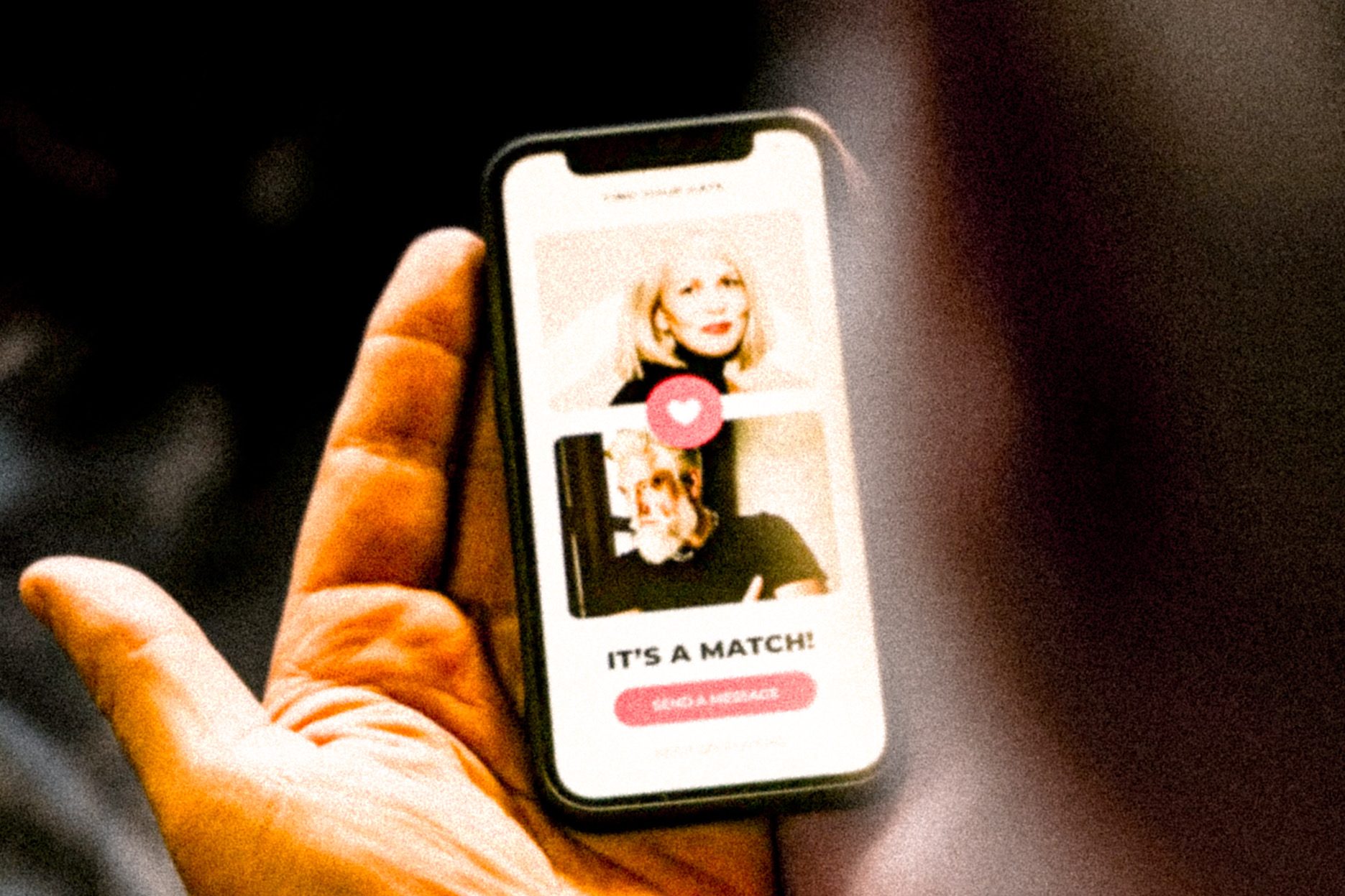
Hinge, which never used swipes to begin with, and instead asks users to like a photo or respond to a prompt before matching. This approach has made it the financial bright spot in the dating space, which probably hasn’t gone unnoticed by its competitors.

The dating app era that Tinder and Bumble built together is overdue for a reset. Whether what comes next actually helps people find real connections, or just gives them a fancier way to get ghosted, remains to be seen.

Manisha Priyadarshini
Manisha Priyadarshini is a tech and entertainment writer with over nine years of editorial experience.
Topics
OnePlus is building another flagship monster for a shrinking audience, and its expected to launch in October
OnePlus 16 could launch in October, but it may not leave China
Rear shell of OnePlus 15.

While OnePlus may have exited the US and Europe, the brand is still alive in its home market and is already working on its next flagship smartphone. A fresh leak from Chinese tipster Digital Chat Station has now revealed more details about the OnePlus 16, including its design and a revised launch timeline.

The tipster previously claimed that the phone would arrive in September 2026, but the latest information points to an October launch in China (via Gizmochina). The global picture is far less clear, and there is now even some doubt over whether the OnePlus 16 will make it to India, which remains the company’s biggest market.

Read more
Samsung has another wild foldable phone lined up for 2027 and it will excite screen connoisseurs
Samsung wants another giant OLED folding inside your pocket
Samsung Galaxy TriFold unfolded

Samsung just gave foldable fans a wider 4:3 canvas with the Galaxy Z Fold 8. But that still isn't enough screen for the company. Samsung has reportedly begun early development of a successor to the Galaxy Z TriFold, its dual-hinged phone that unfolds into something much closer to a proper tablet.

According to Korean publication ETNews, Samsung has already shared information about the next-generation project with suppliers, but its final specifications have yet to be decided. One detail should immediately grab the attention of anyone who buys a foldable primarily for its display. A source familiar with the project told ETNews that Samsung is currently targeting a screen size similar to the original TriFold.

Read more
Android’s most powerful app permission could soon come with a much scarier warning
New Android 17 language spells out how trusted apps may interact with your screen while your device remains locked
Electronics, Mobile Phone, Phone

Android 17 could make one of its most powerful app permissions harder to approve without a second thought. New warning text explains that trusted apps may view and interact with screen content, even while the phone is locked.

Nerd’s Chalk uncovered the language in an APK teardown of Android 17 QPR2 Beta 1. The feature isn’t active, but Google’s description now leaves considerably less to the imagination.

Read more