1. Home
  2. Social Media
  3. News

Big tech is finally taking child safety seriously, but TikTok and YouTube are lagging behind

Big tech finally got the memo on child safety, and Ofcom isn't done pushing.

Add as a preferred source on Google
a boy using iPhone
Ivan Prokhorov / Unsplash

If you have kids who use Snapchat, Instagram, or Roblox, some meaningful changes are coming their way. UK regulator Ofcom has secured new commitments from all three platforms to better protect children from online strangers and potential groomers.

Snap is making the biggest moves by agreeing to adopt all of Ofcom’s recommended grooming-prevention measures. Adult strangers will no longer be able to contact children by default, and kids won’t be nudged to expand their friend lists to people they don’t know. The platform will also roll out age verification to all UK users this summer to ensure under-18s receive these protections. 

Roblox is going further, too, giving parents the ability to turn off direct chat for under-16s entirely. Meta is developing a new setting to hide teens’ connection lists on Instagram and plans to use AI tools to detect suspicious conversations between adults and minors.

But what about TikTok and YouTube?

Not everyone got a gold star. TikTok and YouTube failed to commit to any significant changes to make their content feeds safer for children. Ofcom’s research found that nearly three quarters of 11 to 17-year-olds encountered harmful content in a four-week period, with over a third coming across it while scrolling their feeds. TikTok and YouTube ranked among the top platforms where this happened. Both companies insist their feeds are already safe. Ofcom clearly disagrees.

Why are 8-year-olds still on TikTok and Instagram?

Research shows that 84% of children aged 8 to 12 are still using at least one platform. It’s because it’s really easy to fool the age-verification policies these platforms have in place as of now.

Recommended Videos

Ofcom has written to the Secretary of State advising that stronger legislation may be needed to give regulators the teeth to actually enforce age limits. For now, Ofcom has laid out a five-point action plan to monitor these commitments and push for further change, with enforcement action on the table for platforms that don’t comply.

Children’s safety should be a no-brainer issue that no company in existence should have a problem with. It’s good that some companies are following Ofcom’s guidelines and enacting stringent protective measures.

However, there should not be a need for a regulatory body to enforce safety practices. Social media companies need to take responsibility and be more proactive in addressing these issues, something they have clearly failed at in the past.

Rachit Agarwal
Rachit is a seasoned tech journalist with over ten years of experience covering the consumer technology landscape.
Meta’s latest courtroom losses expose a potential hole in social media’s strongest defense
Plaintiffs are treating engagement features as deliberately designed products, an argument that could make Section 230 far less useful
facebook

Two jury losses have given plaintiffs momentum against Meta, but they haven’t rewritten the rules for social media. One case relied on New Mexico consumer-protection laws. The other asked a California jury whether addictive design contributed to a young woman’s mental-health issues.

The verdicts, detailed by The Wall Street Journal, reached Meta through different legal routes. Together, they suggest Section 230 becomes a less dependable shield when a lawsuit centers on choices made by the platform itself.

Read more
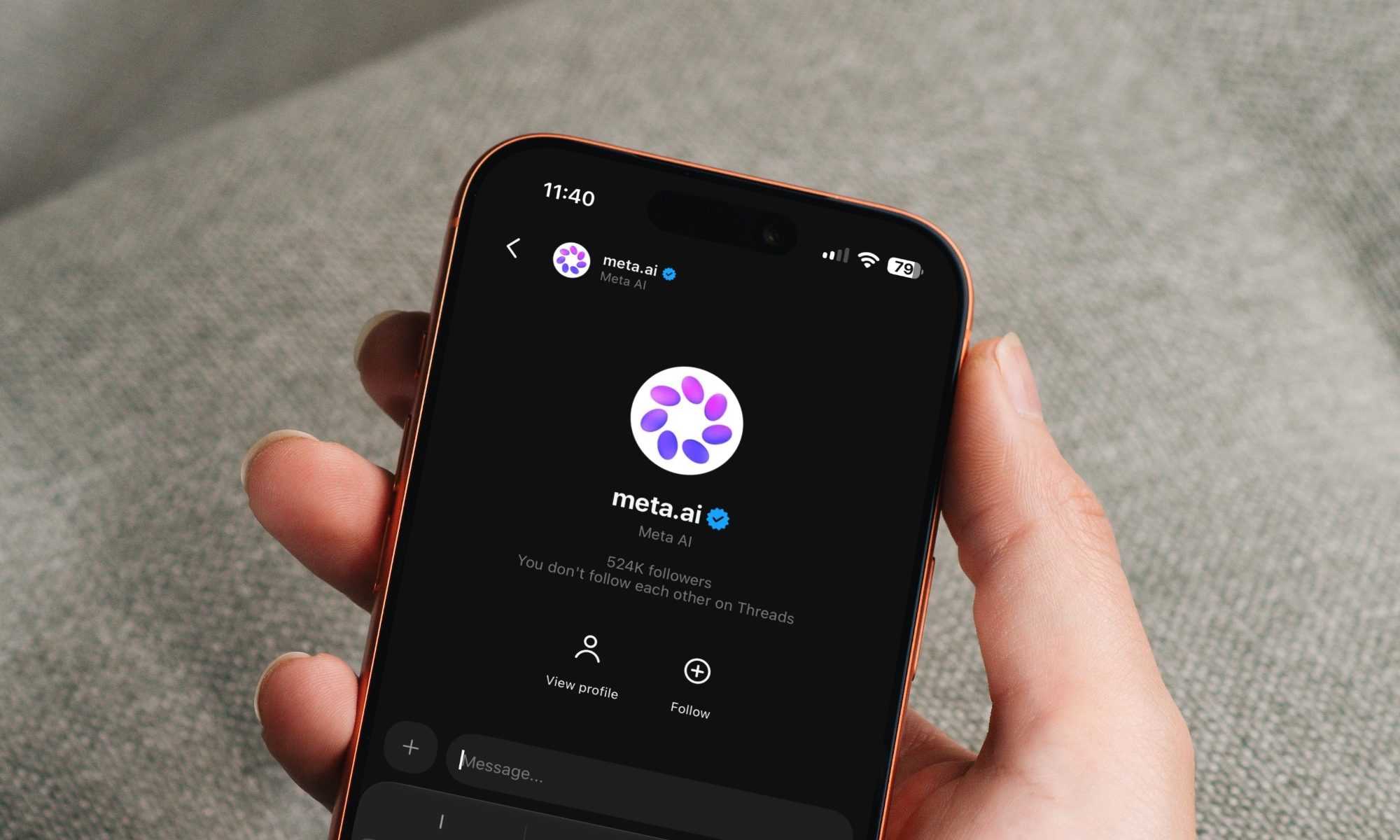
Meta AI is moving into your Threads DMs, where awkward AI chats belong
Because not every AI conversation deserves a spot on your followers' timeline.
Meta AI in threads DM

One of the reasons Grok AI became so popular is because it let people chat with it directly on X, resulting in some hilarious conversations. And while the public availability of Grok AI on X has resulted in numerous safety issues, there's no denying that this openness played a major role in its rise. 

It seems Meta wanted the same, which became evident when the company started testing Meta AI directly on Threads a few months ago, letting users chat with it right in their feed. But not everyone was comfortable having those conversations out in the open, so Meta has just moved its Meta AI inside your Threads’ DMs. 

Read more
X Money is finally here, and it’s much more than a digital wallet
The new financial service aims to turn X into an app where users can pay, save, spend, and send money.
X Money featured

Elon Musk's vision of turning X into an "everything app" has taken another major step forward. The company has officially begun rolling out X Money to Premium and Premium+ subscribers in the United States. Rather than being just another digital wallet, X Money is designed as a full-fledged financial hub built directly into the social platform, allowing users to send money, receive payments, hold cash, earn interest, and spend through a Visa debit card—all without leaving the X app.

What is X Money, and who is it for?

Read more