1. Home
  2. Phones
  3. News

Siri just moved into your iPhone camera, and it’s pretty handy

Your iPhone camera just learned a new trick: point it at anything and let Siri do the thinking for you.

Add as a preferred source on Google
Siri in camera features in iOS 27
Apple
Promotional logo for WWDC 2023.
This story is part of our complete Apple WWDC coverage

Apple gave Siri a major glow-up at WWDC 2026, and one of my favorite parts is how it now lives right inside your iPhone’s camera app. With a brand new Siri mode, your camera becomes a tool for understanding the world around you, not just snapping photos of it. Let me explain how it works.

How does the new camera Siri mode work?

Siri now offers powerful visual intelligence features directly from the camera app with a new Siri mode in camera. You can switch to it by swiping on the mode bar that currently lets you switch between photo, video, and other modes. 

Recommended Videos

Once you switch to the Siri mode, just point your phone at something, tap the shutter button, and Siri sees what you see and gives you a useful response. If you want to dig deeper, you can pull down to get rich details and ask follow-up questions. 

The best part for privacy nerds like me is that all these features run on Apple Foundation models using private cloud compute, so your data stays protected. Your images and conversations are also saved to the new Siri app, so you can revisit them whenever you want.

What can you use it for?

Siri mode suggests relevant actions in the moment based on whatever is in front of you. Point your iPhone at a plate of food, and it will give you nutritional insights. Out grabbing a bite with friends? Point your camera at the bill, select what you ordered, and split the tab with Apple Cash right there. No more awkward math at the dinner table.

Combine this with AI features in the Photos app that let you reframe photos, remove unwanted objects, and extend your photos, and the new Siri camera upgrade seems quite interesting. 

It’s a small change in how you use your camera, but I think it’s going to change how often you reach for it. I cannot wait to try it out.

Rachit Agarwal
Rachit is a seasoned tech journalist with over ten years of experience covering the consumer technology landscape.
Geekbench now lets you check how a phone will actually handle your boring daily chores
New tests, smarter scores, and finally some love for NVIDIA GPUs.
Geekbench 7 open on iPhone

Geekbench, the popular cross-platform benchmark from Primate Labs, just got a major update. Geekbench 7 is out today, and you can download it on Android, iOS, Windows, macOS, and Linux. If you like to know exactly how your CPU and GPU stack up, this update brings a bunch of changes worth knowing about.

What's new in the CPU tests?

Read more
Latest Pixel 11 series leak offers the clearest look yet at Google’s next flagship
Google's next Pixel has leaked again, but this time almost nothing is left to imagine
Pixel 11

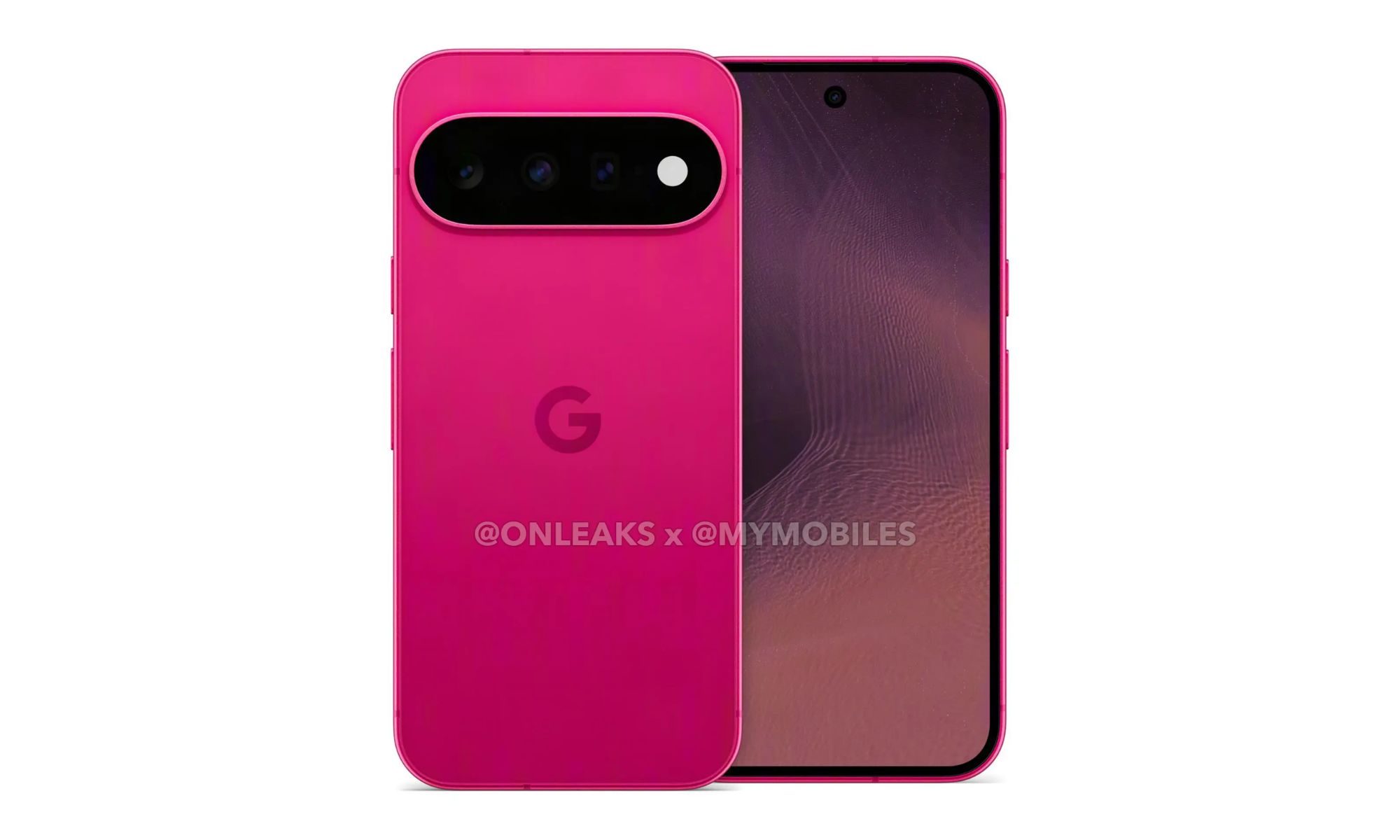
Google's Pixel launches have become increasingly difficult to keep under wraps, and the Pixel 11 series appears to be no exception. Weeks before Google's scheduled August 12 launch event, a fresh leak has revealed what is claimed to be the complete set of official press renders for the Pixel 11, Pixel 11 Pro and Pixel 11 Pro XL, showcasing every colour option across the lineup.

The renders, published by MyMobiles in collaboration with tipster OnLeaks, offer what is arguably the most comprehensive look yet at Google's next flagship family. If authentic, they not only confirm earlier design leaks but also reveal Google's colour strategy for 2026, including a vibrant Fuchsia finish for the standard model and a new copper-inspired "Dune" variant for the Pro series.

Read more
Galaxy Z Flip 8 vs. Motorola Razr Ultra (2026): Samsung’s flip phone is cheaper, but is it better?
One flip phone wins on value. The other wins on hardware.
Electronics, Phone, Mobile Phone

Flip phones have quietly become one of the most competitive corners of the smartphone market. It provides buyers with a satisfying folding snap, reducing the footprint to half the original size, and that’s the entire point. Motorola never really left the format after reviving the Razr name, while Samsung has spent generations treating the Flip line as its scrappy, budget-friendlier sibling to the Fold. 

This year, though, the gap between the two camps has narrowed to the point where picking a winner requires genuinely reading the spec sheet and learning about the phones before putting your money into one. One phone leans hard into raw display firepower, while the other leans into a deeper software ecosystem and a friendlier price tag. 

Read more