Summer break did what it usually does. Your sleep schedule drifted, workouts happened less often than you’d hoped, and by the time August rolled around, you were feeling it. You’ve got a plan to get back on track once the school year starts and your days have more structure, but you know how that usually goes. The first two weeks are solid, then the routine quietly slips.
A fitness tracker won’t get you off your couch. What it will do is put a number in front of you every day, one that makes it obvious whether you stuck to your goal or slacked off. That small bit of visibility is often the difference between meaning to work out and actually doing it. Back-to-school season is a good time to buy in, since you’re already resetting more than one part of your routine, and the overlap makes the habit more likely to stick. To keep the odds in your favor, here are three fitness trackers that can help you stay accountable and actually hit your goals.
Xiaomi Smart Band 10: Data only, no strings attached
| Pros | Cons |
| Most affordable with no ongoing fees | No coaching or interpretation layer |
| 21-day battery life | Companion app is clunky |
| Tracks steps, sleep, heart rate, blood oxygen, and stress | GPS relies on your phone, so you can’t leave it behind |
| Covers 150+ sports modes | No blood pressure, ECG, or Afib detection |
| Wide device compatibility |
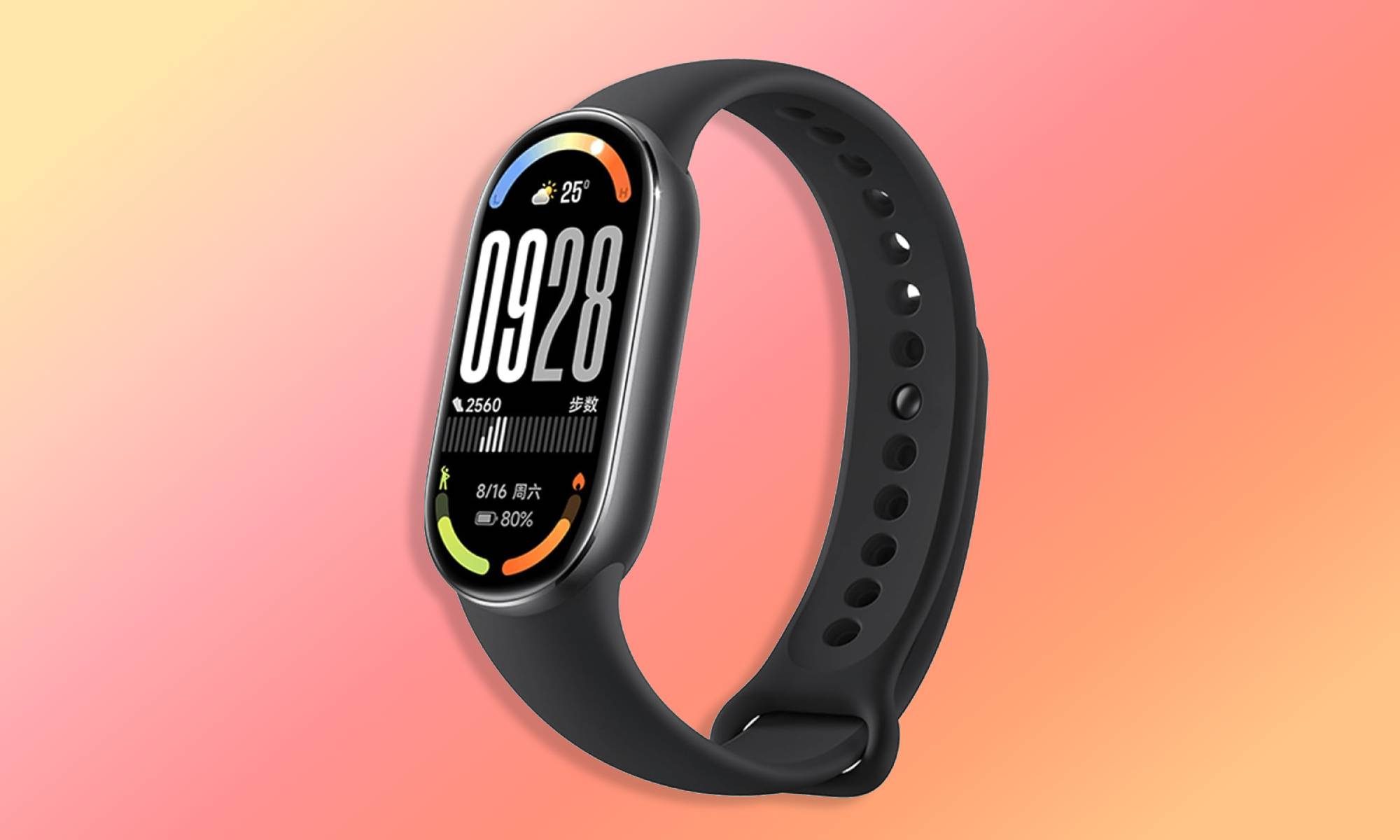
The Xiaomi Smart Band 10 gives you numbers and nothing else. No coaching, no interpretation, and no upsell waiting behind a paywall. It tracks steps, sleep, heart rate, blood oxygen, and stress levels, and shows them to you plainly.
What you pay upfront, around $47, is what you’ll ever pay. There’s no tier to graduate into, even if you wanted one. That’s a real advantage if all you want is accountability, not a dashboard full of insights you don’t care about.
The 21-day battery life means it fades into the background of your routine almost entirely, and the 1.72-inch AMOLED display holds up fine for a glance mid-run. The tracker covers over 150 sport modes, more than you’ll realistically use, and can survive showers and rain with its 5ATM water-resistance rating. It is also compatible with Android 8+ and iOS 12+ devices, wide enough to work with a phone several years old.
Xiaomi’s companion app is the weak point, clunky next to Google or WHOOP’s polish, and GPS runs through your phone instead of anything built into the band. If you’re deciding between this and something that costs twice or four times as much, know that the extra money will buy you more data points and insights that help you make sense of the numbers and train smarter. Buy this if tracking the basics is all you’re after.
Google Fitbit Air: Wider tracking, coaching if you want it
| Pros | Cons |
| Core tracking works without a subscription | Battery life caps at 7 days |
| Auto-detects basic workouts | Full AI coaching requires a $9.99/month subscription |
| $99.99 with a free 3-month trial to test Health Coach | No screen, all data lives in the app |
| Fast charging adds a full day of battery in five minutes | No ECG or blood pressure tracking |
| Distraction free tracking |
The Fitbit Air tracks more data points than the Xiaomi Smart Band 10. Along with steps, sleep, heart rate, SpO2, and stress levels, it tracks heart rate variability and screens for Afib, and auto-detects workouts like walking, running, swimming, and cycling, with more activity types available to log manually. All of that is included in the core experience with no subscription required. What sits on top of that is the real differentiator.
Google Health Coach, a Gemini-powered feature, can turn those numbers into actionable insights, adjusting recommendations based on your training and recovery. It’s available if you want it, not forced on you if you don’t. At $99.99, that combination makes sense if you want more than just the raw data. Every unit ships with a three-month trial of Google Health Premium, so you can test the coaching firsthand before deciding if it’s worth the $9.99/month subscription.
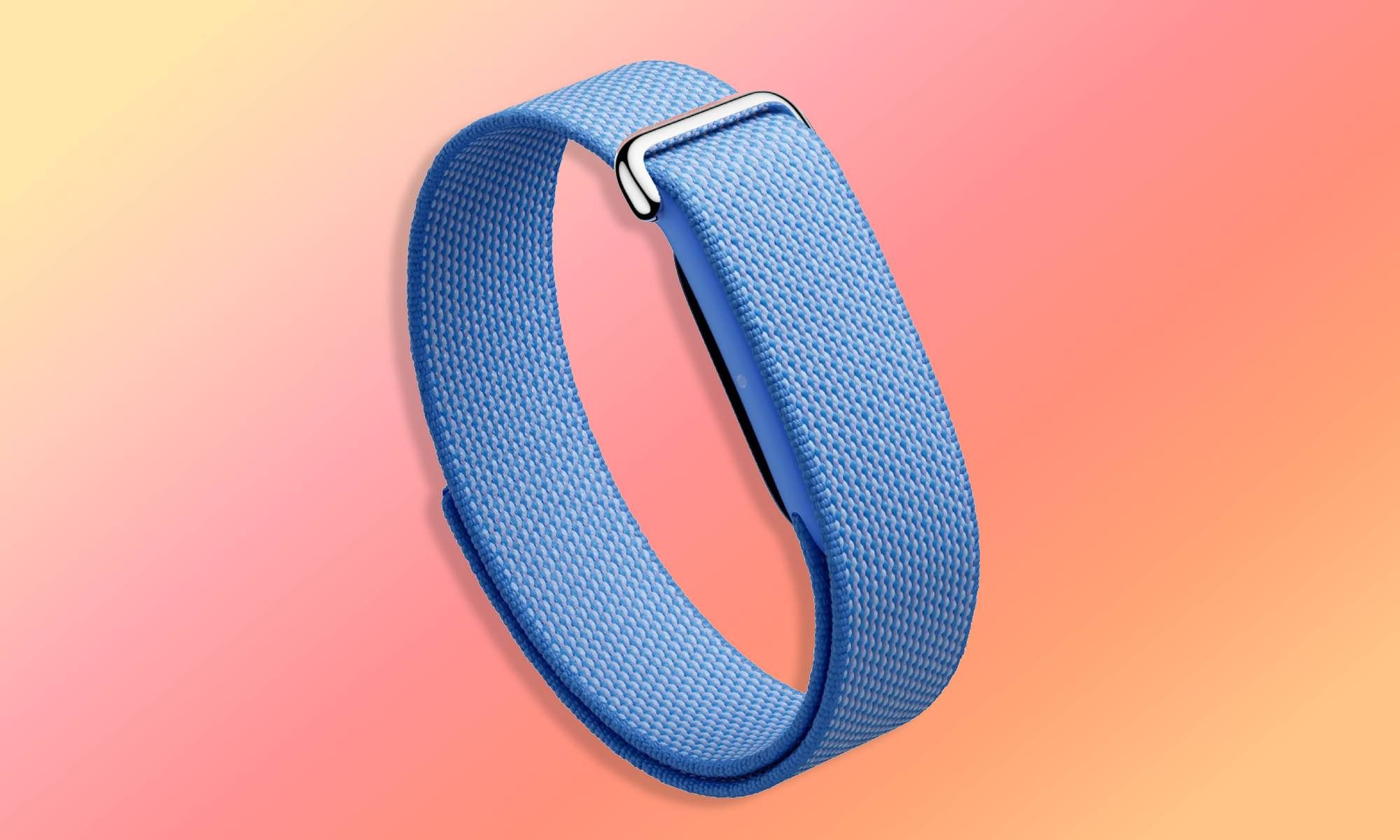
The tracker itself is a screenless pebble that clips onto swappable bands, small enough to forget you’re wearing it. The 7-day battery life is a notable tradeoff, though the Fitbit Air does support fast charging and a five-minute charge adds enough juice to last a full day.
The Fitbit Air is compatible with Android 11+ and iOS 16.4+, so it’ll work with most phones, and switching phones later won’t strand it. Buy this if you want more data than what Xiaomi offers, with the choice of whether to pay for an AI to interpret it for you.
WHOOP 5.0: The insights aren’t optional
| Pros | Cons |
| Auto-detects 50+ activity types | No free tier, hardware doesn’t work without an active membership |
| Daily Recovery score gives specific, prescriptive guidance | Cheapest plan runs $199/year |
| Two-week battery life | No screen, everything requires checking the app |
| WHOOP Coach offers insights on-demand | ECG and blood pressure insights are locked behind the priciest $359/year tier |
| Life tier adds ECG and blood pressure insights |
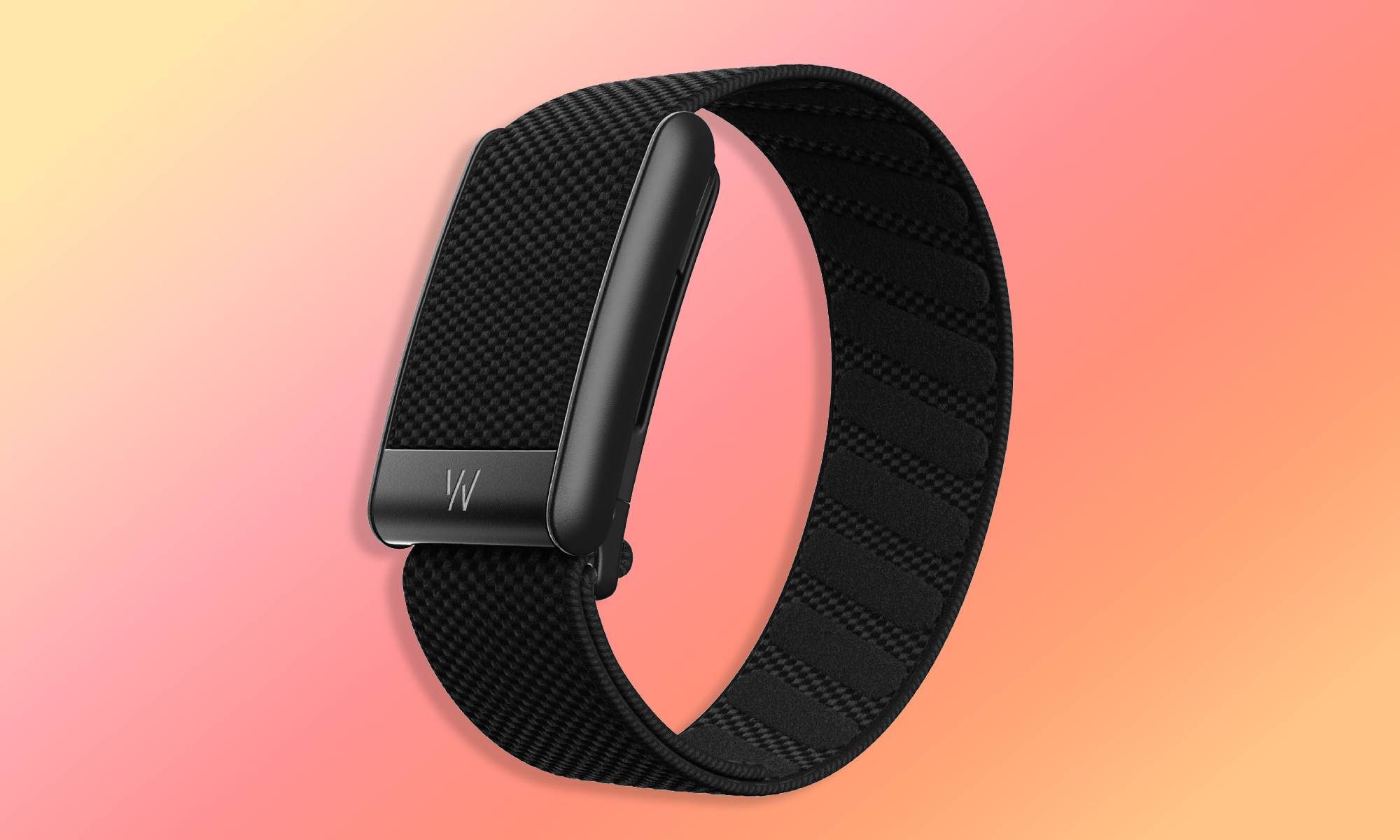
WHOOP doesn’t offer a version that just hands you raw numbers. There’s no free tier, and the membership fee is what unlocks the hardware in the first place. Stop paying, and the band stops recording. Interpretation is the entire product here.
The entry point is One, the $199/year plan, which ships with the standard WHOOP 5.0 tracker and covers sleep, strain, and recovery tracking. It auto-detects over 50 activity types, from running and weightlifting to swimming and yoga, folding each into a daily Strain score. You also get WHOOP Coach, a generative AI feature that answers questions about your training and recovery using your biometric data.
If you want more, the Peak plan runs $239/year. It comes with the same hardware, but adds Healthspan, Stress Monitor, and Health Monitor. The Life plan costs $359 a year and swaps in a WHOOP MG sensor, which unlocks ECG, Afib detection, and blood pressure insights.
Battery life is a genuine strength at 14+ days and, like the Fitbit, there’s no screen at all, so you’ll have to rely on the companion app to track your progress. The WHOOP app requires iOS 17+ and works across most modern Android phones, though older Android devices can run into connectivity issues. Buy the One tier if you’ve decided the coaching is worth an annual bill, not a one-time purchase, and upgrade later only if you actually find yourself wanting the deeper metrics.
If none of these are quite right
The three trackers above are built for one job: fitness data, with or without interpretation. If what you actually want is a smartwatch that can handle texts, calls, and apps, or you don’t want anything on your wrist at all, these three are worth a look instead.
- Samsung Galaxy Watch 8 (starts at $349.99): This is the right pick if you want a smartwatch first and a fitness tracker second. It runs Wear OS and puts your phone’s core functions right on your wrist, backed by Gemini for smarter suggestions. You also get all the basic fitness and workout tracking, along with ECG. On the downside, battery life tops out around 30 to 40 hours, so nightly charging is non-negotiable, and it costs a pretty penny.
- Apple Watch SE 3 (starts at $249): For iPhone users already living inside Apple’s ecosystem, this is the obvious buy. Notifications, apps, Crash and Fall Detection are all available. It skips ECG and SpO2 to hit that price point, and battery life caps at 18 hours, shorter than all the other devices in this list. It only makes sense if you already own an iPhone, otherwise, you’re buying into the wrong ecosystem.
- RingConn Gen 2 Air ($199): If you don’t like the idea of wearing a band to sleep, this is the one for you. It’s a smart ring with a 10-day battery, detailed sleep tracking, HRV, respiratory rate tracking, and blood oxygen monitoring, all without a subscription. However, fitness tracking is lacklustre, with no GPS and limited workout detection.
None of these devices are going to fix your sleep schedule or get you to the gym. What they’ll do is make it a little harder to lie to yourself about whether you tried. Pick the one that fits your budget and your patience for being told what to do, and go from there.