  1. Home
  2. Cars
  3. News

Chery’s latest EV packs flagship tech for the price of a base Tesla, but you can’t buy it

Here's everything packed into Exeed's 2027 Exlantix ES, from its 27-sensor autonomous driving suite to its 860 km range, all starting under $31,000.

Add as a preferred source on Google
Car, Transportation, Vehicle
Chery

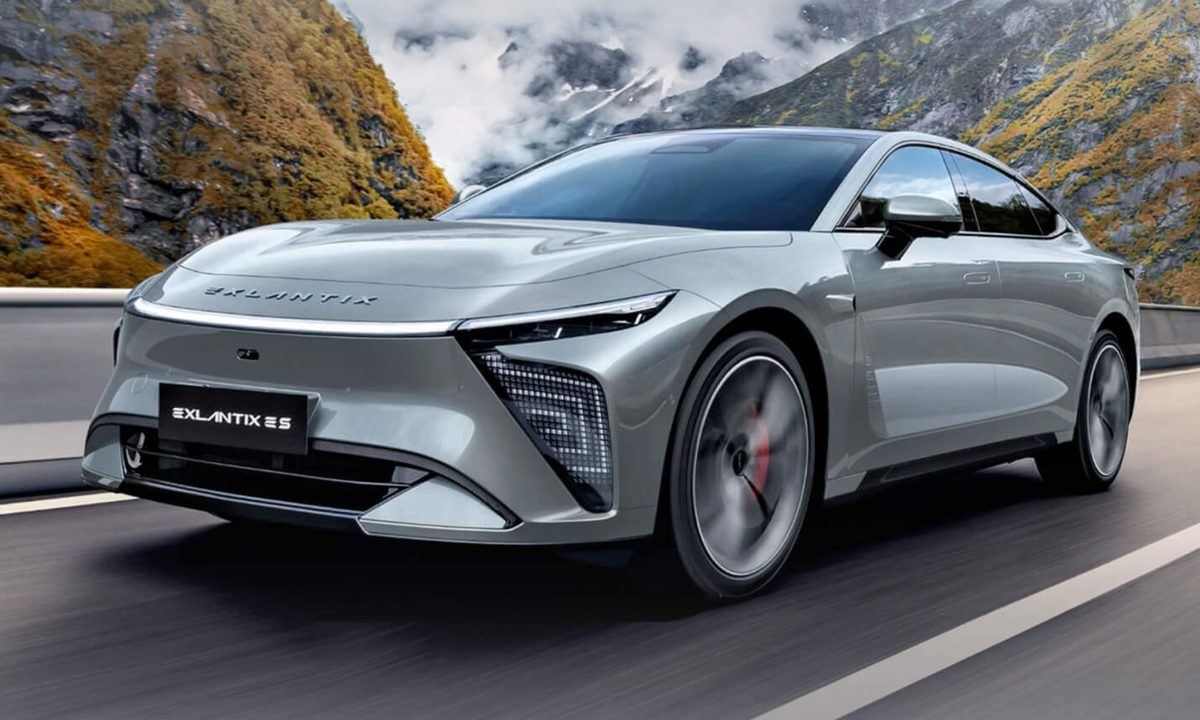
Chery’s premium arm just dropped a sedan that makes you wonder why American EVs cost twice as much for half the tech.

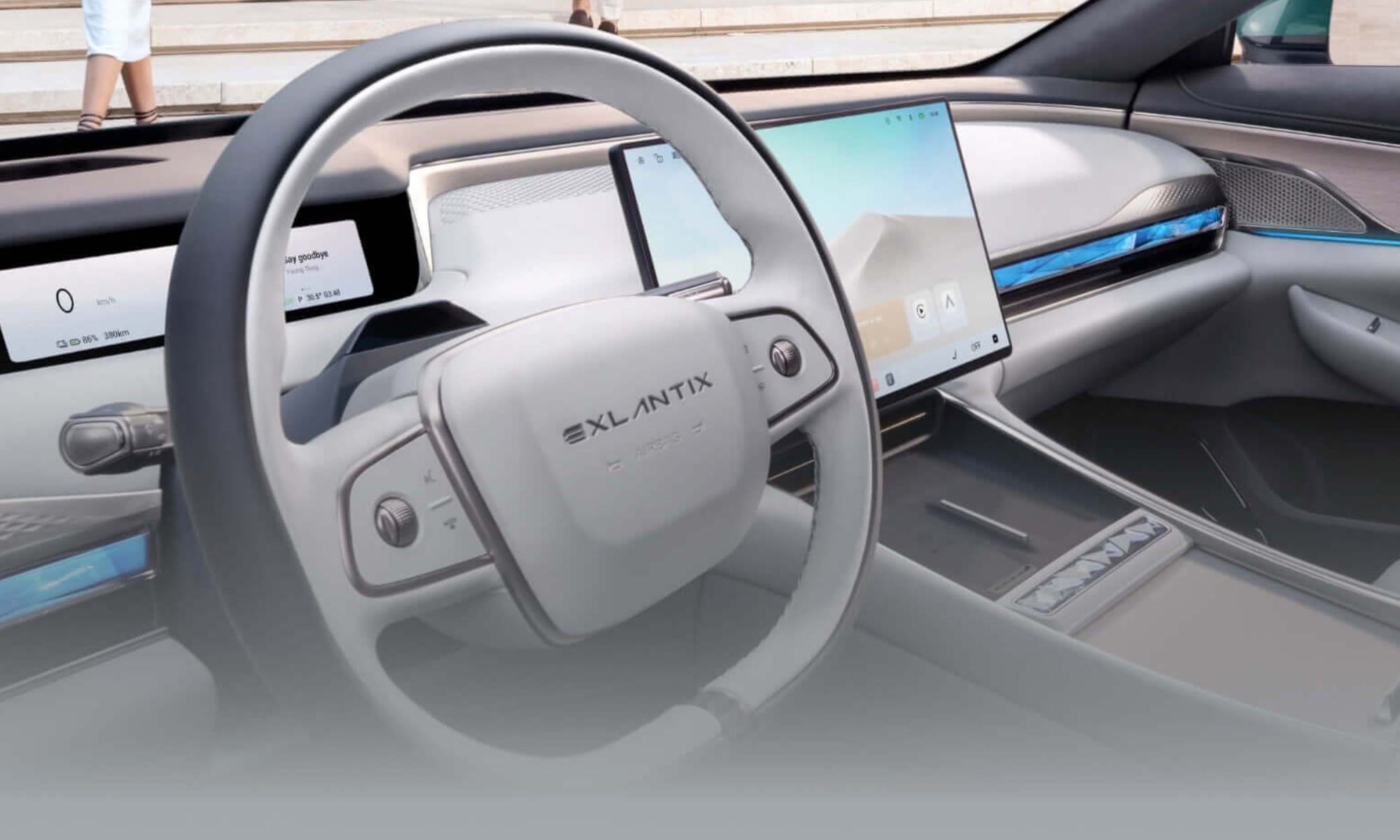
Exeed’s 2027 Exlantix ES ships with a driver-assist system called Falcon 700. It is built around an Nvidia Orin-Y chip and a genuinely stacked sensor suite.
So what makes Falcon 700 worth paying attention to?

I’m talking about 11 cameras, 12 ultrasonic radars, one LiDAR unit, and three millimeter-wave radars. All of these work together to enable full Navigate on Autopilot for both city streets and highways. 

Recommended Videos

Pair that with a Qualcomm Snapdragon 8295P cockpit chip running Chery’s Carmind AI model, and the cabin’s voice assistant should feel noticeably more responsive than what you’d find in most cars at this price point.

Pricing runs from 179,900 to 209,900 yuan, or roughly $26,500 to $30,900. That buys you a choice between extended-range EREV and pure BEV setups. For context, Tesla’s cheapest Model 3 in the U.S. starts at around $39,000 before incentives.
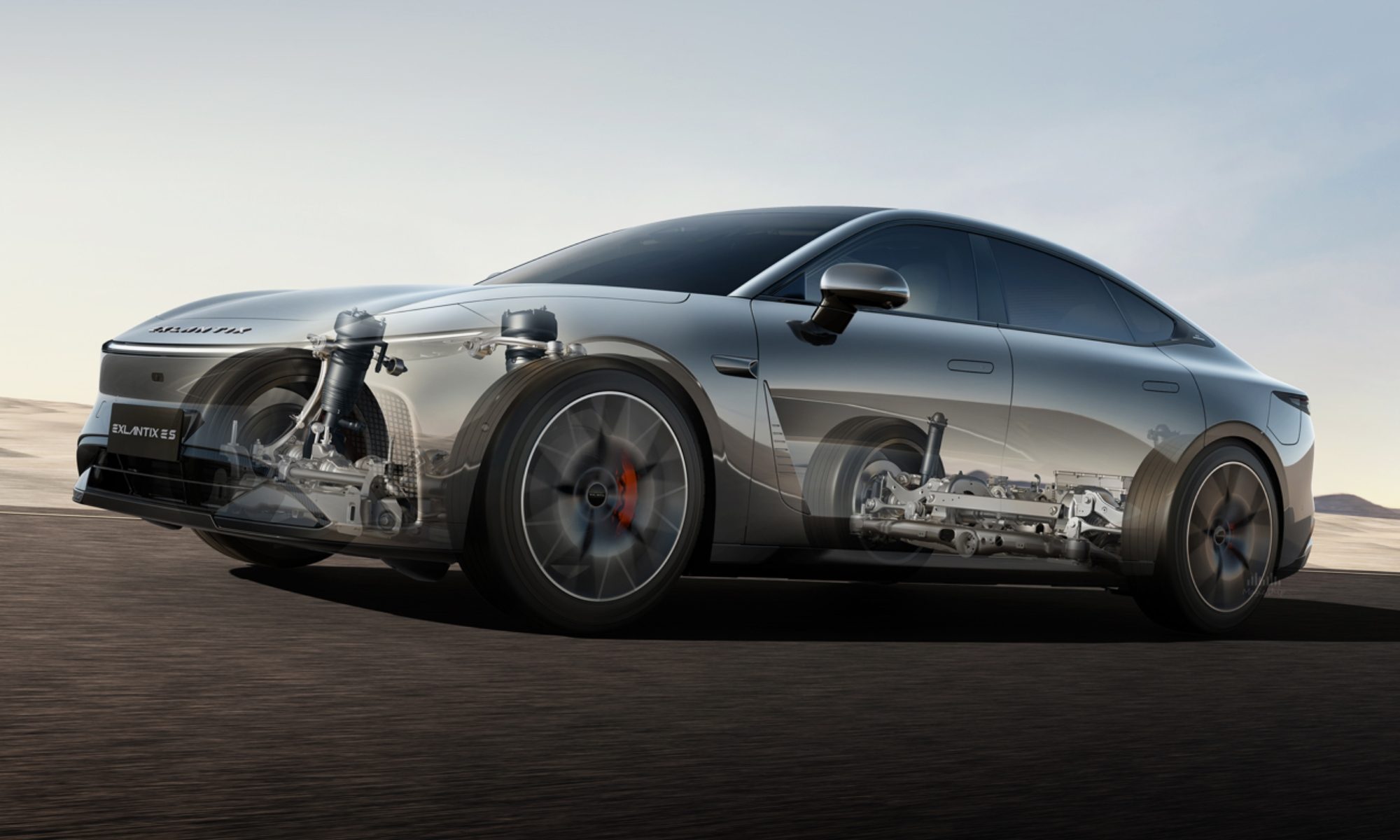
What do you actually get for under $31,000?

The EREV Max makes 305 horsepower and provides a 188-mile all-electric range, while the AWD EREV Ultra jumps to 463 horsepower. The BEV Max, on the other hand, pushes 534 miles of range off a 100.2 kWh battery.

Combined with the gas engine, EREV models stretch total range past 994 miles. Design-wise, the fastback silhouette and frameless doors carry over, now joined by two new paint options and an optional Shadow sport kit with interactive headlights and an electric spoiler.

There’s no word yet on whether the Exlantix ES badge makes it to markets outside China anytime soon, but if it does, I’m sure the US buyers would definitely want to their hands on it.

What stands out here isn’t the spec sheet alone. It’s that Chery is shipping this sensor suite as standard across an entire lineup rather than gating it behind a premium trim. That approach, common among Chinese automakers primarily competing on value, keeps piling pressure on legacy brands.

Shikhar Mehrotra
For more than five years, Shikhar has consistently simplified developments in the field of consumer tech and presented them…
Volvo is rolling out Apple Music to over 2 million cars with a simple OTA update
Your Volvo may soon get Apple Music without needing CarPlay
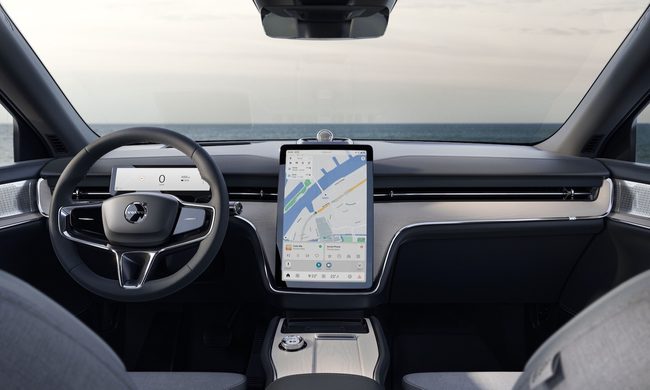
Interior view of the 2024 Volvo EX90.

The line between your smartphone and your car continues to blur. Volvo has announced that it is rolling out an over-the-air software update that brings Apple Music directly to the infotainment systems of more than 2 million vehicles worldwide. Instead of relying on Apple CarPlay or plugging in an iPhone, eligible drivers will be able to stream music natively from their car's built-in system, making Apple Music another integrated feature of Volvo's software experience.

The update is arriving for a wide range of Volvo models, including the EX90, ES90, XC90, S90, V90, XC60, S60, V60, XC40, EX40 and EC40, covering model year 2020 onwards. Availability, however, may vary depending on the vehicle.

Read more
A new AI model wants self-driving cars to think before they swerve
Forget guessing games, this self-driving AI actually shows its work.
Self driving car

Self-driving cars have gotten pretty good at driving. The harder problem is teaching them to drive safely in situations nobody planned for. We have heard horror stories of self-driving cars, behaving erratically in emergency situations, often times delaying first responders from reaching the scene.

A team at Seoul National University, led by professor Jun Won Choi from the Department of Electrical and Computer Engineering, thinks they have cracked part of that puzzle with a new AI model called SafeDrive. The research was recently selected as a highlight paper at CVPR 2026, a distinction that goes only to roughly 3% of all submissions.

Read more
Your next car’s software update could become its biggest security risk
Your next car could receive updates like your smartphone. That's also becoming a cybersecurity nightmare.
OTA technology allows manufacturers to remotely deliver software updates.

Modern cars are no longer machines that stay the same after they leave the showroom. Increasingly, they're becoming software-defined vehicles that receive new features, bug fixes, and security patches wirelessly, much like smartphones. But while over-the-air (OTA) updates have made vehicle maintenance easier and cheaper, cybersecurity experts are warning that the same technology could also become one of the automotive industry's biggest security challenges.

Researchers and policymakers are now calling for stronger oversight as connected vehicles become increasingly dependent on remote software updates. Their concern isn't just about hackers stealing personal data. It's about someone potentially interfering with the operation of a moving vehicle.

Read more