Between early classes, evening workouts, late study sessions, and everything in between, a smartwatch can do a lot of the mental math a student doesn’t have time for. Whether it’s tracking sleep, reminding you to move, or keeping notifications off your phone during lectures, a good smartwatch can be both a silent organizer and a health tracker for students.
If you’re in the market for a new smartwatch this back-to-school season, I’ve got seven recommendations for you, each with a few unique aspects. From a $69 budget pick to the newest Apple Watch, every one of them earns its keep, so the only real decision left is which features matter most to you.
CMF Watch 3 Pro
- Take calls clearly without reaching for your phone
- Tracks workouts and walks around campus with ease
- Great value for first-time smartwatch buyers
- Limited room for music and offline content
- Smaller app ecosystem than major brands
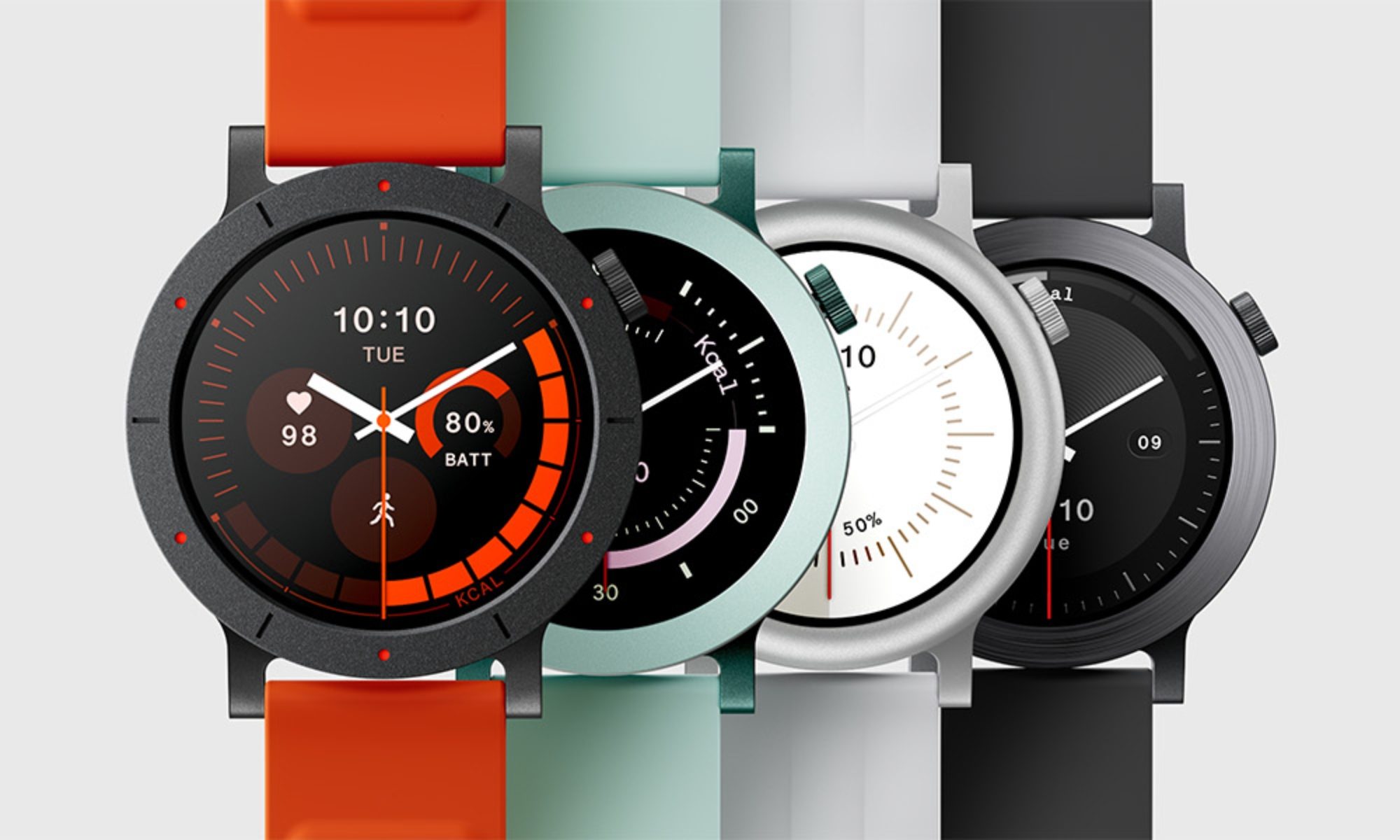
If you don’t want to splurge a lot on a smartwatch, the $69 CMF Watch 3 Pro is where I’d point you at. The standout feature, in my opinion, is Bluetooth calling with AI-based noise reduction, making it usable for a quick call between classes without pulling out a phone.
You also get GPS and 130-plus sport modes for tracking your activities. The 1.43-inch AMOLED display is bright, and IP68 water resistance means it survives a sudden downpour on the walk to the dorm. It won’t replace a proper fitness watch for serious training, but for a first smartwatch on a tight budget, especially for Android users, it covers the basics quite well.
Amazfit Active 2 Premium
- Go over a week without worrying about charging
- Navigate unfamiliar places without your phone
- Built to shrug off everyday scratches
- Phone still needed for calls
- Slightly heavier than some fitness watches
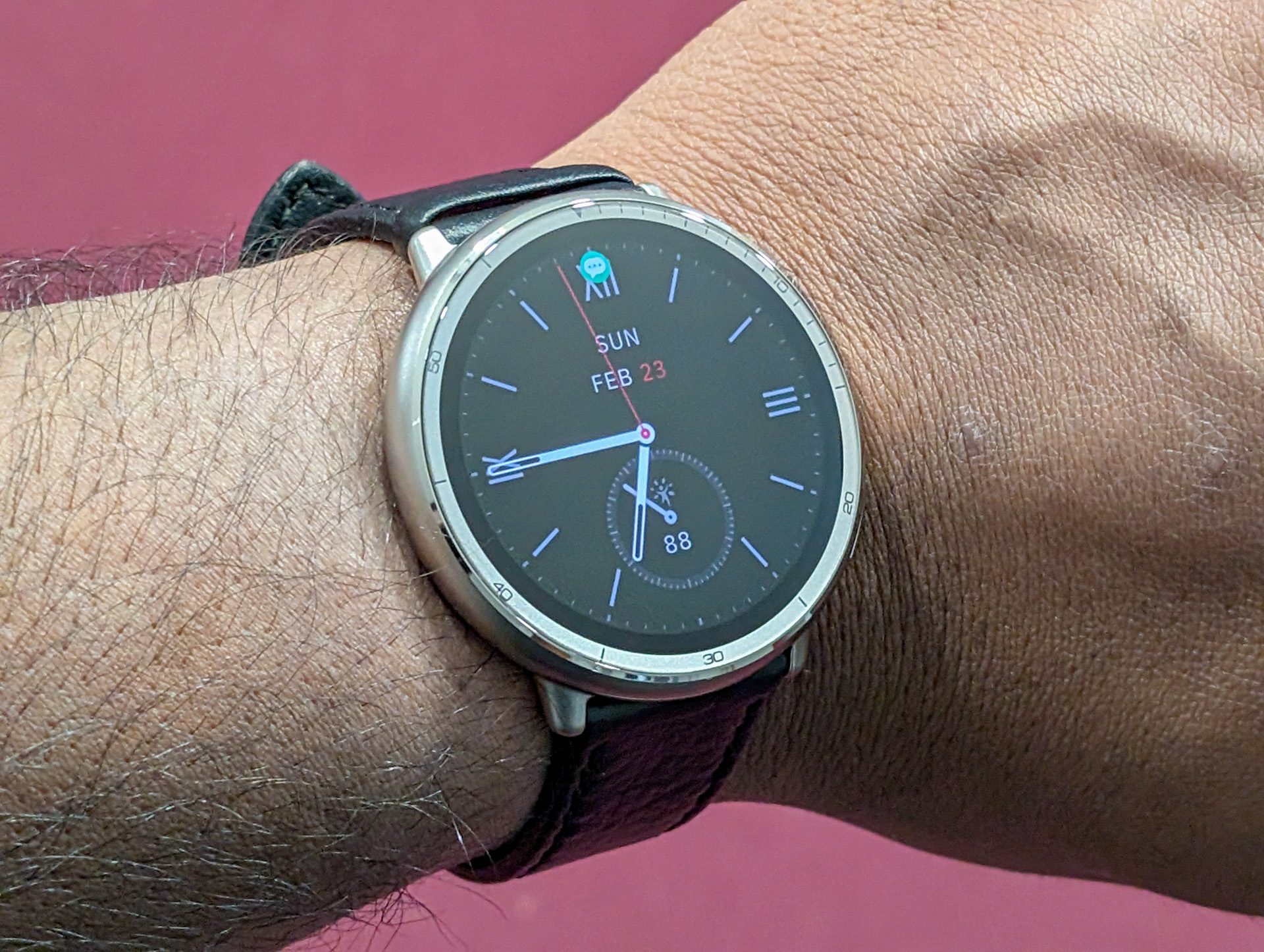
Ten days of battery life is what sold me on the Amazfit Active 2 Premium. If you don’t want to remember to recharge your smartwatch every single day, this one is for you.
The other detail worth calling out is the free offline GPS maps. Amazfit is offering downloadable maps with turn-by-turn navigation guidance that work without a phone nearby. The feature could be handy for anyone going through a new campus or city for the first time.
Amazfit also upgraded the Premium model with sapphire glass for resisting scratches far better than the standard glass. This one ships with both a leather strap for class and a spare silicone one for the gym. At $128.18, it sits between budget and flagship territory, and is worth every single dollar you spend on it.
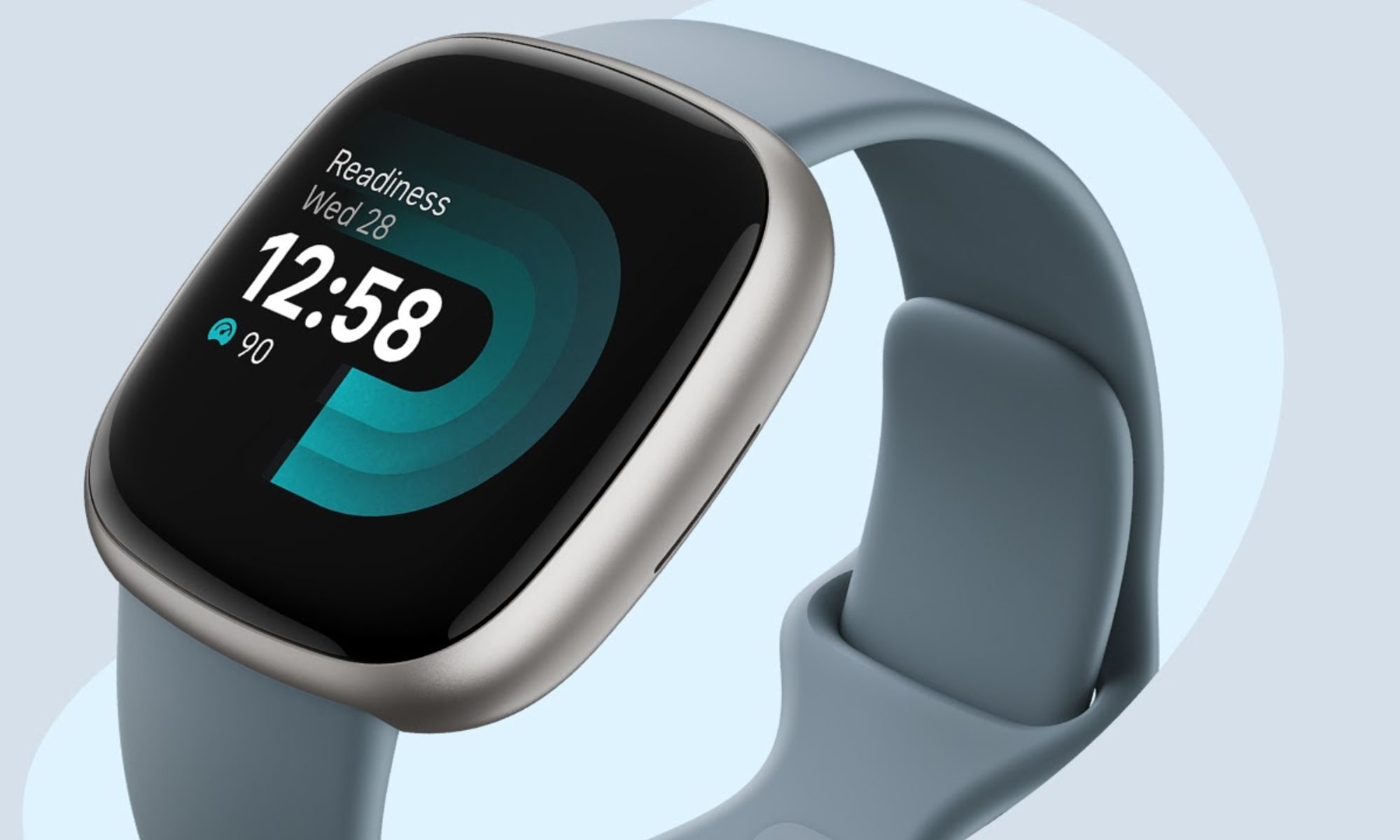
Fitbit Versa 4
- Excellent for building healthier workout habits
- Helps prevent overtraining and burnout
- Reliable fitness tracking that's easy to understand
- Best features cost extra after the free trial
- No offline navigation for exploring
Fitbit has created a reputation for accurate and reliable fitness tracking. If you want a smartwatch that doubles as an excellent fitness tracker, and you’re willing to pay $169.15 for it, the Fitbit Versa 4 is what I’d recommend.
First, the smartwatch comes with three months of Google Health Premium subscription, which includes the Daily Readiness Score, telling you whether your body is actually up for intense physical activity or needs a rest day. If you’re trying to keep a closer eye on your health, the information is quite useful.
Built-in GPS and 40-plus exercise modes cover everything from a dorm-room workout to a real run around the campus or the park. At $152.50, marked down 24% over its listing price, it’s one of the better deals here. However, I’d want you to keep in mind that the Premium subscription runs out in three months. So, get into it considering the $9.99 monthly subscription cost afterward.
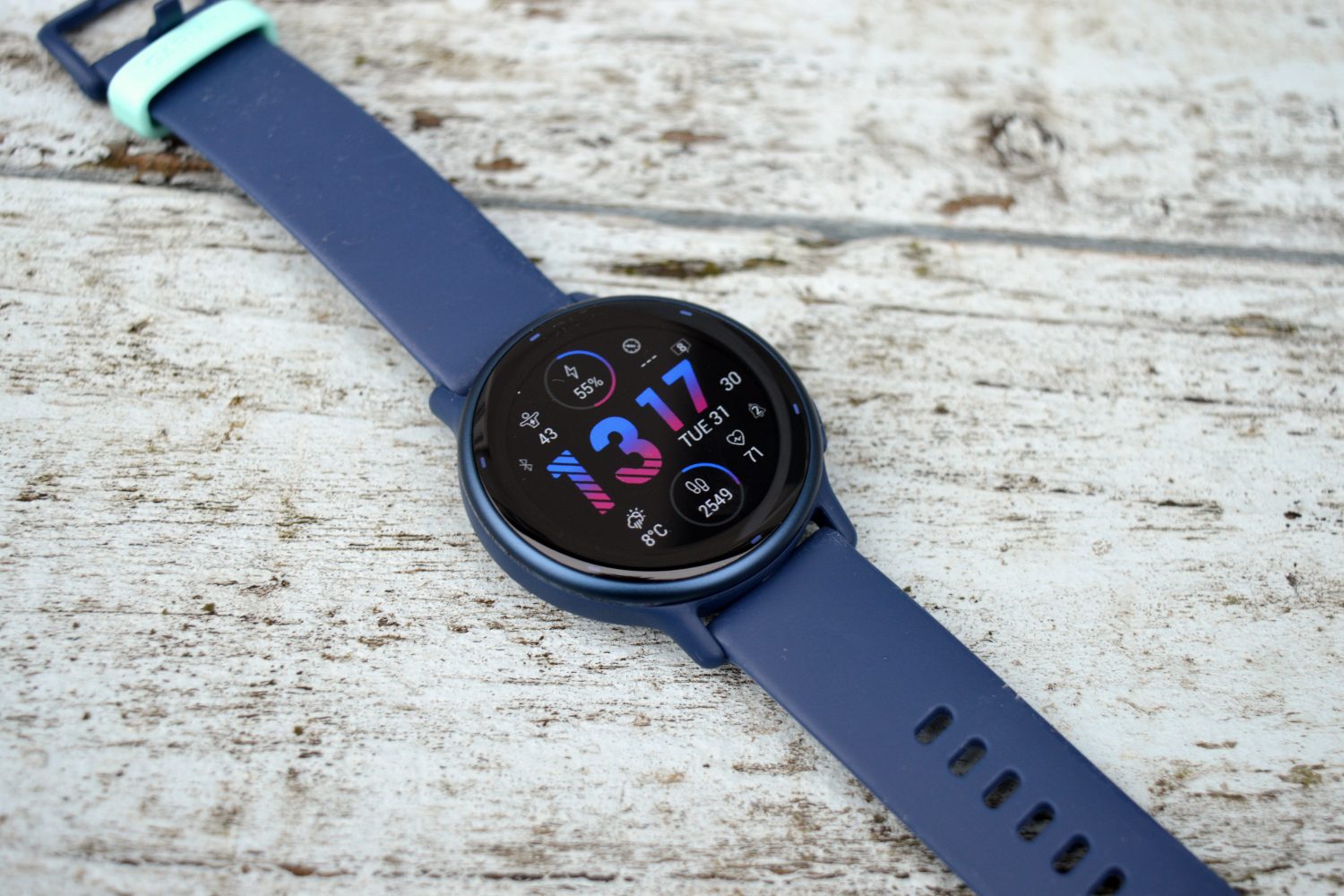
Garmin vivoactive 5
- Battery easily lasts through a busy week
- Helps you know when to push or recover
- Lightweight enough for all-day wear
- Can't take calls from your wrist
- Smaller app selection than Wear OS or watchOS
Garmin’s Body Battery feature is something that I’d recommend the vívoactive 5 for. For those catching up, it estimates your energy reserves throughout the day, based on a variety of metrics, including sleep, stress, and activity. It is quite useful, I’d say, before deciding whether to pull an all-nighter or actually go to bed.
The Body Battery feature is paired with up to 11 days of battery life, which is among the longest on this list. In other words, the smartwatch isn’t competing for a charger with your laptop and your phone every night. The 1.2-inch AMOLED display stays bright and legible, even outdoors, and more than 30 built-in sports apps make it flexible for anything from a gym workout to intramural soccer.
At $194.99, it’s a steep 37% off its list price right now.
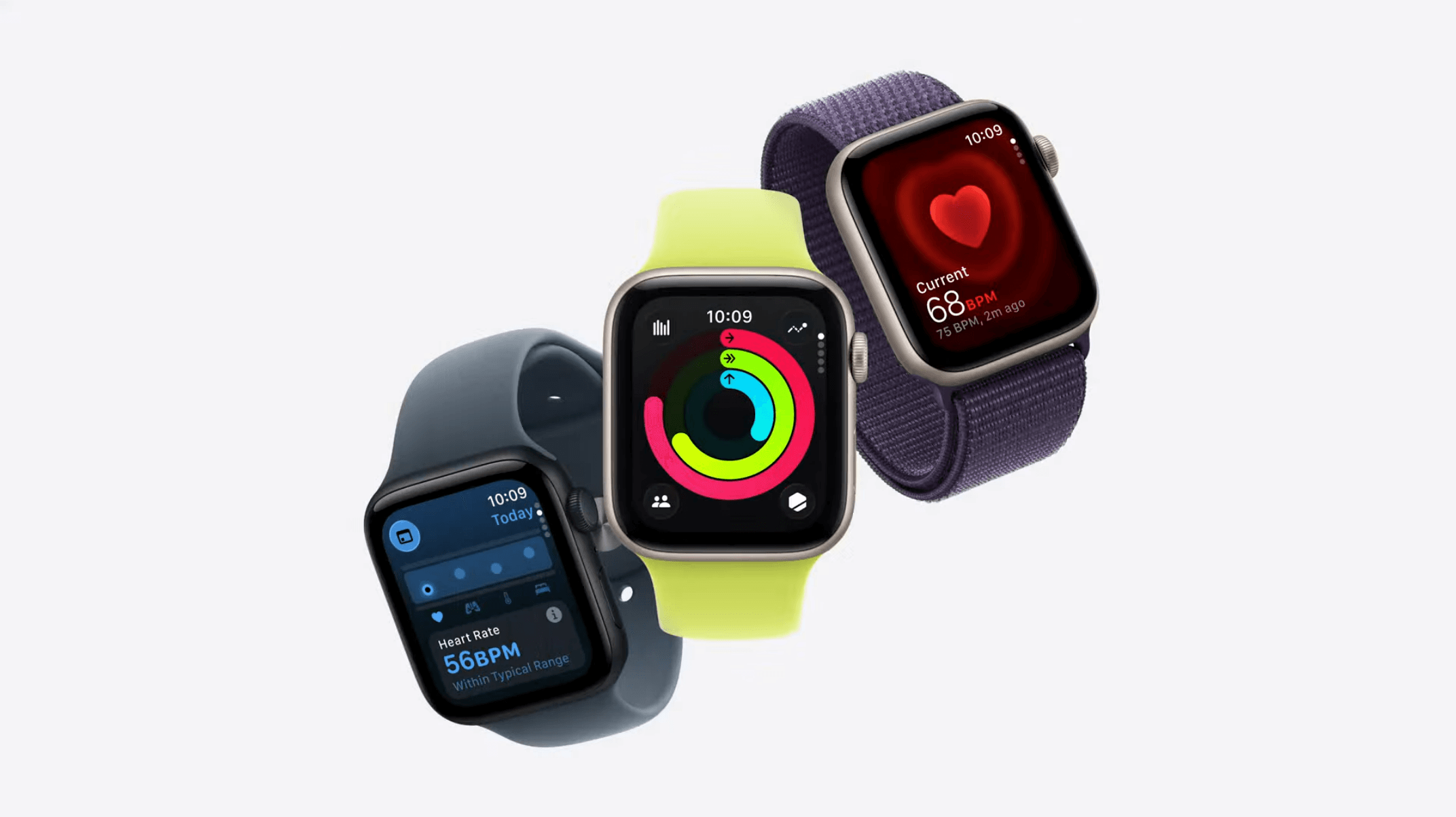
Apple Watch SE 3
- Best-value Apple Watch for iPhone users
- Excellent safety features for everyday peace of mind
- Handles daily notifications without pulling out your phone
- Supports Siri AI experience
- Misses Apple's advanced health features
- Only works with an iPhone
If you’re already carrying an iPhone, the Apple Watch SE 3 is the most accessible way into the Apple Watch ecosystem. At $219, it undercuts the Series 11 by $80 while keeping the features that matter most for everyday use cases.
It can detect a hard fall or a car crash and automatically loop in emergency contacts. If you ask me, those features are genuinely reassuring for a student living away from home. It also supports features like Apple Pay, Find My, and full Messages support, so it can handle most of the incoming notifications for you during a run to the dining hall without reaching for a phone.
With watchOS 27, the Watch SE 3 will also get the new Siri AI experience. However, the watch skips the ECG and blood oxygen sensors found on the Series 11, but for a student’s everyday needs, it’s still capable enough.
Samsung Galaxy Watch 8
- One of the smartest AI watches for Android users
- Offers genuinely useful sleep and running guidance
- Comfortable enough to wear day and night
- Some features work best with Samsung phones
- Pricier than most Android alternatives
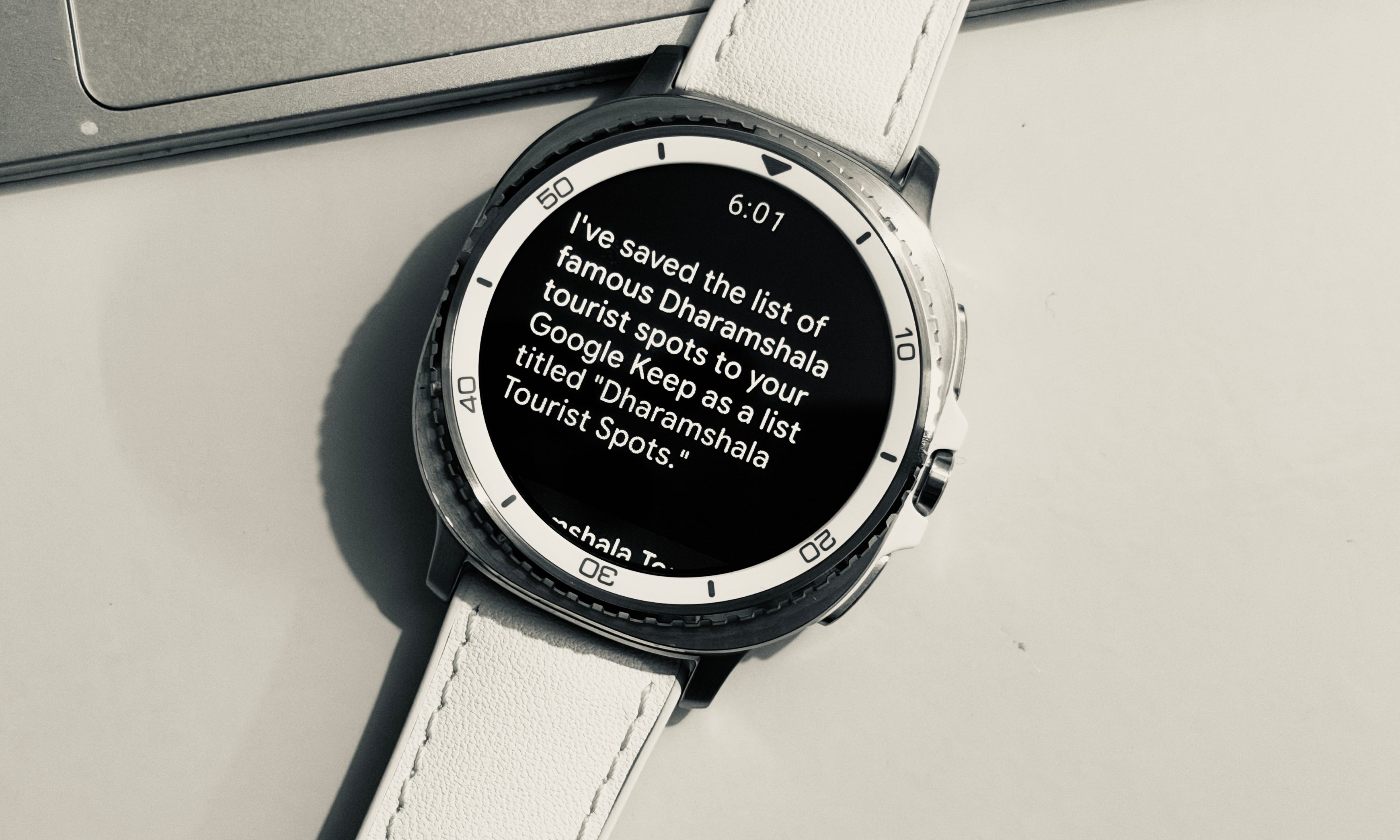
If Android is your platform of choice, the $299 Galaxy Watch 8 is the one I’d reach for. It runs full Wear OS, with Samsung’s Gemini-powered AI assistant built in for hands-free reminders and quick questions.
The Advanced Sleep Coaching and Running Coach features go further than most rivals on this list, giving you real feedback on bedtime habits and pacing rather than just tracking raw numbers. The case is lighter and thinner than the previous generation, which matters over a full day of wear, especially when you’re carrying a laptop in one hand and a bunch of notes in the other.
Samsung backs the device with a 2-year warranty most competitors don’t match.
Apple Watch Series 11

- Apple's most complete health and wellness watch
- Better insight into sleep and heart health
- Tougher display for everyday student life
- Will support the Siri AI experience with watchOS 27
- Costs more than most alternatives
- Not a huge leap over recent Apple Watches
The $299 Apple Watch Series 11 is the most expensive smartwatch here for iPhone users, but it’s also the most capable. It can flag possible signs of chronic high blood pressure through hypertension notifications. It also provides a daily sleep score for a clearer read on sleep quality.
Battery life climbs to a full 24 hours of normal use, and the display is now twice as scratch-resistant as the Series 10, which is a real upgrade for anyone whose watch takes a beating in a backpack, desk drawer, or on a table. If you want the best smartwatch for your iPhone, one that supports all the latest watchOS 27 features, including Siri AI, this is the one to go with.
Google Pixel Watch 4 (41mm, LTE)
- Stay connected even without your phone nearby
- Gemini makes everyday tasks quicker
- Fast charging means less waiting around
- Android phones only
- Battery won't last multiple days like some rivals
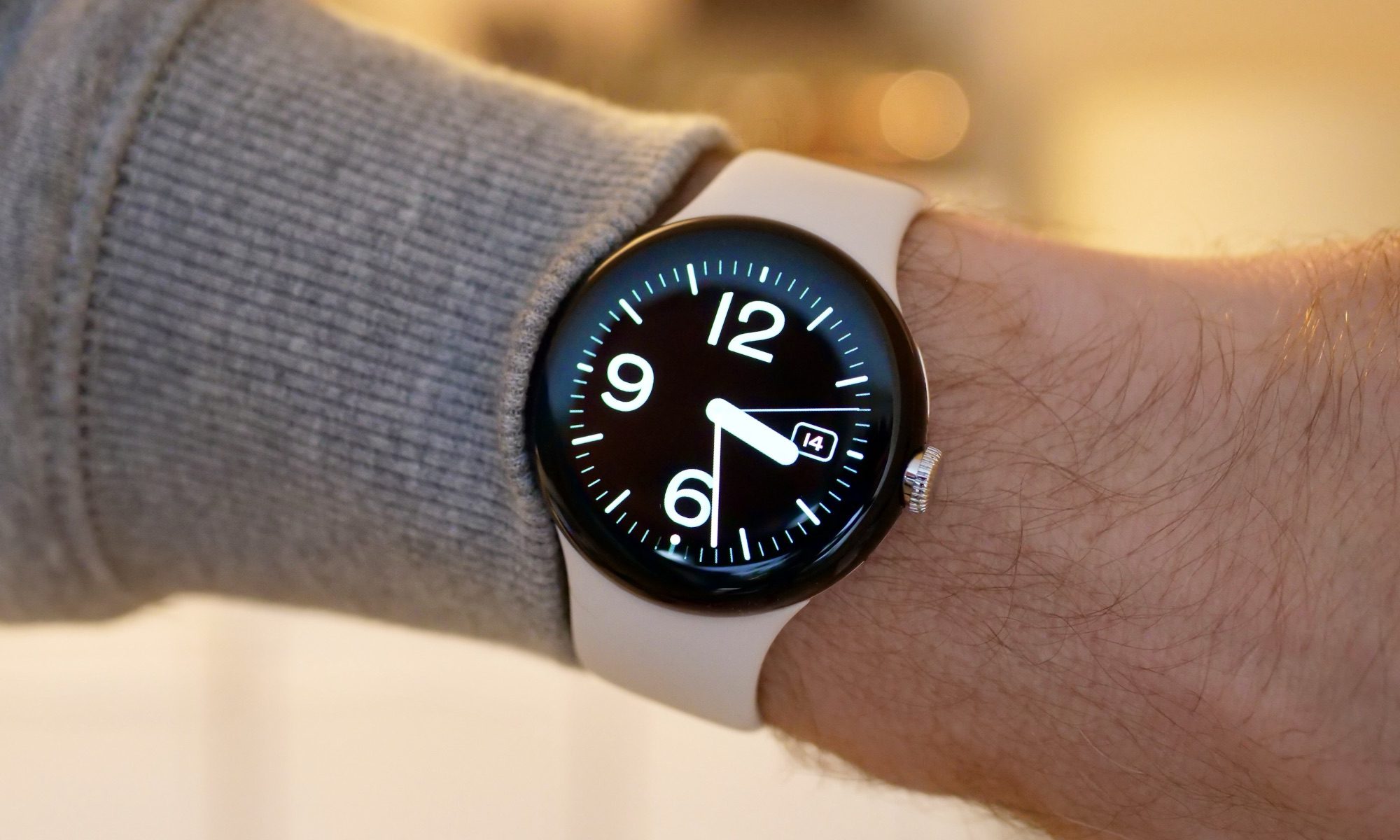
I’m recommending the Pixel Watch 4 particularly for one thing: buying the LTE model here includes two years of Google Fi data and texting. In other words, students can leave their phone behind and still get messages, navigation, and music through the watch alone.
Layer on Gemini, Google’s AI assistant built directly into the watch, for hands-free answers and smart reply suggestions while texting, and this starts to feel less like an accessory and more like an actual phone replacement, especially for quick errands.
Battery life tops out at 30 hours, shorter than some rivals here, but the side charging dock refills 15 hours of use in just 15 minutes. At $349.99, it’s the priciest pick in this guide, though the two years of included data alone could offset that gap.