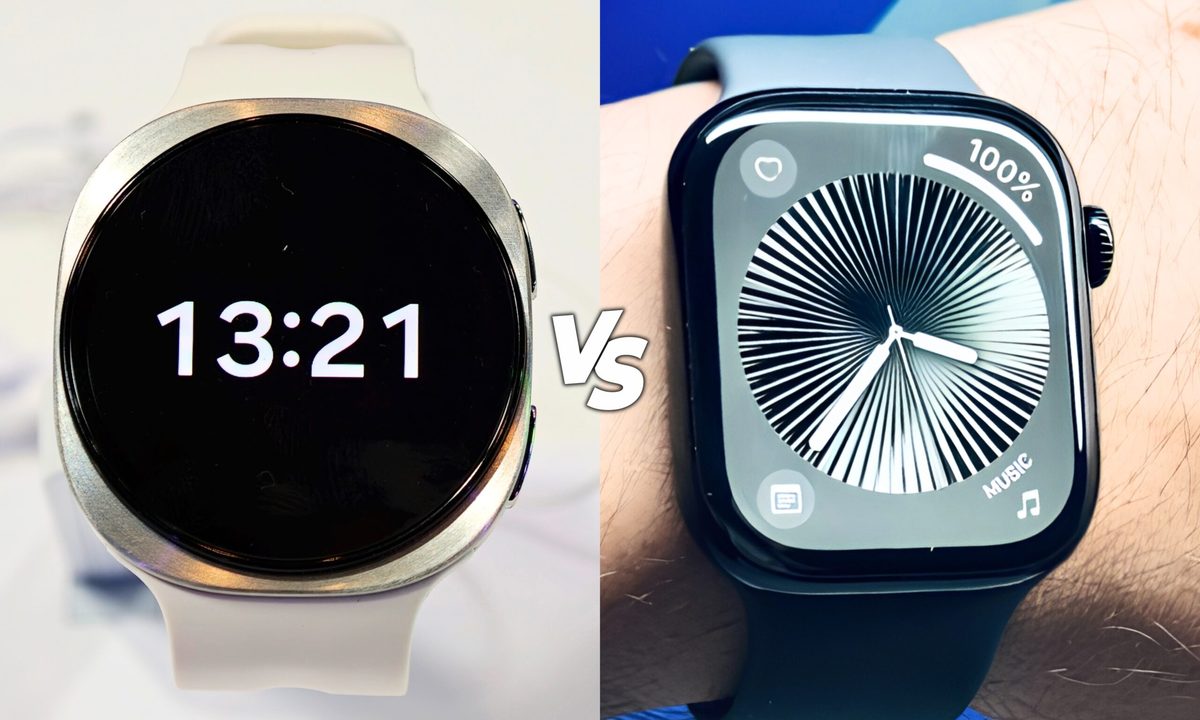
These days, the real battleground between smartwatches is who can turn a wrist-worn, sensor-loaded device into something that resembles a personal fitness trainer, and this year’s crop of flagship wearables takes that fight more seriously than ever.
Samsung just refreshed its mainstream Galaxy Watch line with a new silicon and a batch of clinically-backed health tools, landing squarely on Apple’s home turf of preventive wellness tracking. Apple, for its part, has spent the better part of a year letting its Series 11 sit as the reigning pick for anyone inside its ecosystem, propped up by a software catalog few rivals match feature-for-feature.
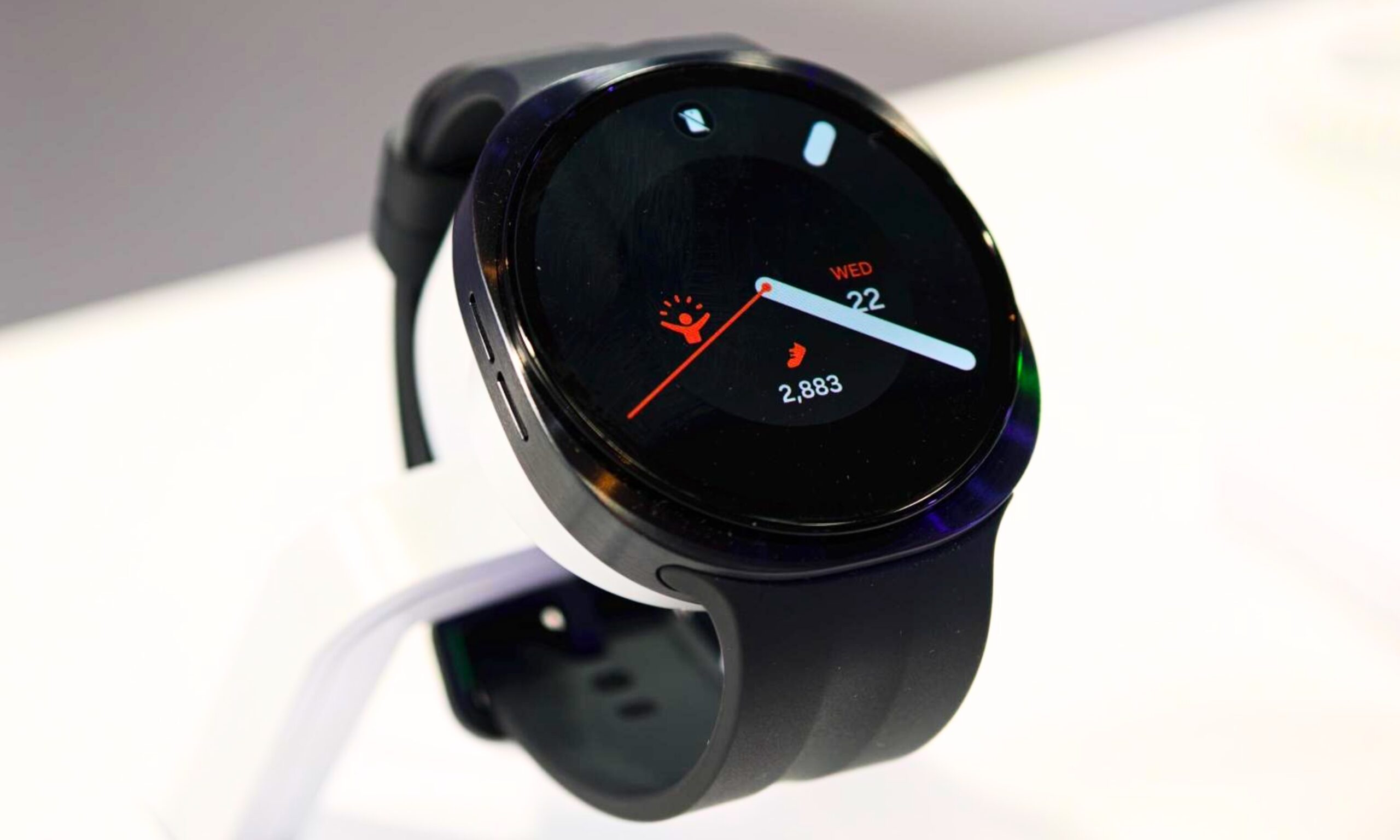
Pit these two against each other, and the decision stops being about brand loyalty and starts hinging on which company actually engineered the sharper piece of hardware for your wrist.
Galaxy Watch 9 vs. Apple Watch Series 11: Pricing and availability
Cost comparisons get messy here, since these watches launched nearly a year apart under entirely different market conditions. Apple’s Series 11 opened at $399 last September and has already been discounted well below, while Samsung’s Watch 9 debuts today at $379.99, undercutting Apple’s original list price by a modest $20.
| Galaxy Watch 9 | Apple Watch Series 11 | |
| Starting Price (US) | $379.99 (Bluetooth), $429.99 (LTE) | $399 (GPS, aluminum), $699 (Titanium, cellular) |
| Case Sizes | 40mm, 44mm | 42mm, 46mm |
| Announced | July 22, 2026 | September 9, 2025 |
| Released | August 7, 2026 | September 19, 2025 |
| Colors | 40mm: Graphite, Cream; 44mm: Graphite, Silver | Slate, Gold, Natural (titanium); additional aluminum finishes vary by retailer |

Galaxy Watch 9 vs. Apple Watch Series 11: Specs at a glance
| Spec | Galaxy Watch 9 | Apple Watch Series 11 |
| Dimensions | 40mm: 42.7 x 40.4 x 8.6mm; 44mm: 46.0 x 43.7 x 8.6mm | 42mm: 42 x 36 x 9.7mm; 46mm: 46 x 39 x 9.7mm |
| Weight | 40mm: 31.5g; 44mm: 34.0g | 42mm: 30.3g (GPS aluminum); 46mm: 37.8g (GPS aluminum), up to 43.1g (titanium) |
| Display | Sapphire Crystal, Super AMOLED, Full Color AOD, up to 3,000 nits; 40mm 1.34″ (438×438), 44mm 1.47″ (480×480) | LTPO3 OLED, wide-angle, Always-On, up to 2,000 nits peak, 1 nit minimum, 326ppi |
| Chipset | Qualcomm Snapdragon Wear Elite (SDW6100), Penta-core, 3nm | Apple S10, dual-core, PowerVR GPU |
| Memory/Storage | 2GB RAM + 32GB storage | 64GB storage |
| Battery | 44mm: 445mAh; 40mm: 390mAh | Up to 24 hours normal use, up to 38 hours Low Power Mode |
| Charging | WPC-based fast wireless charging | 0-80% in ~30 min; 15-min charge yields 8 hrs use, 5-min charge yields 8 hrs sleep tracking |
| OS | Wear OS 7, One UI 9 Watch | watchOS 26 (up to 26.5), upgrading to watchOS 27 |
| Connectivity | LTE, Bluetooth 6.0, Wi-Fi 2.4GHz+5GHz, NFC, L1+L5 dual-frequency GPS, GLONASS/Galileo/BDS | Wi-Fi 802.11 b/g/n dual-band, Bluetooth 5.3, GPS L1, GLONASS/Galileo/QZSS/BDS, 2nd-gen Ultra Wideband |
| Sensors | BioActive Sensor (Optical + Electrical Heart Signal + Bioelectrical Impedance), Temperature, Accelerometer, Barometer, Gyro, Geomagnetic, Light | High-g accelerometer, HDR gyroscope, heart rate, barometer, always-on altimeter, compass, SpO2, VO2max, body/water temperature, ambient light, 6m depth gauge |
| Water/Dust Resistance | 5ATM+ / IP68 / MIL-STD-810H | 50m water resistant (swimproof) / IP6X dust / MIL-STD-810H compliant |
| Build | Sapphire Crystal glass front, aluminum frame | Sapphire crystal front + ceramic/sapphire back (titanium); Ion-X glass (aluminum); titanium frame, grade 5 |
| Cellular Support | LTE | LTE, plus RedCap 5G on select cellular models |
| Phone Compatibility | Android 13.0+ with 1.5GB+ memory, Google Mobile Services required | iPhone required |
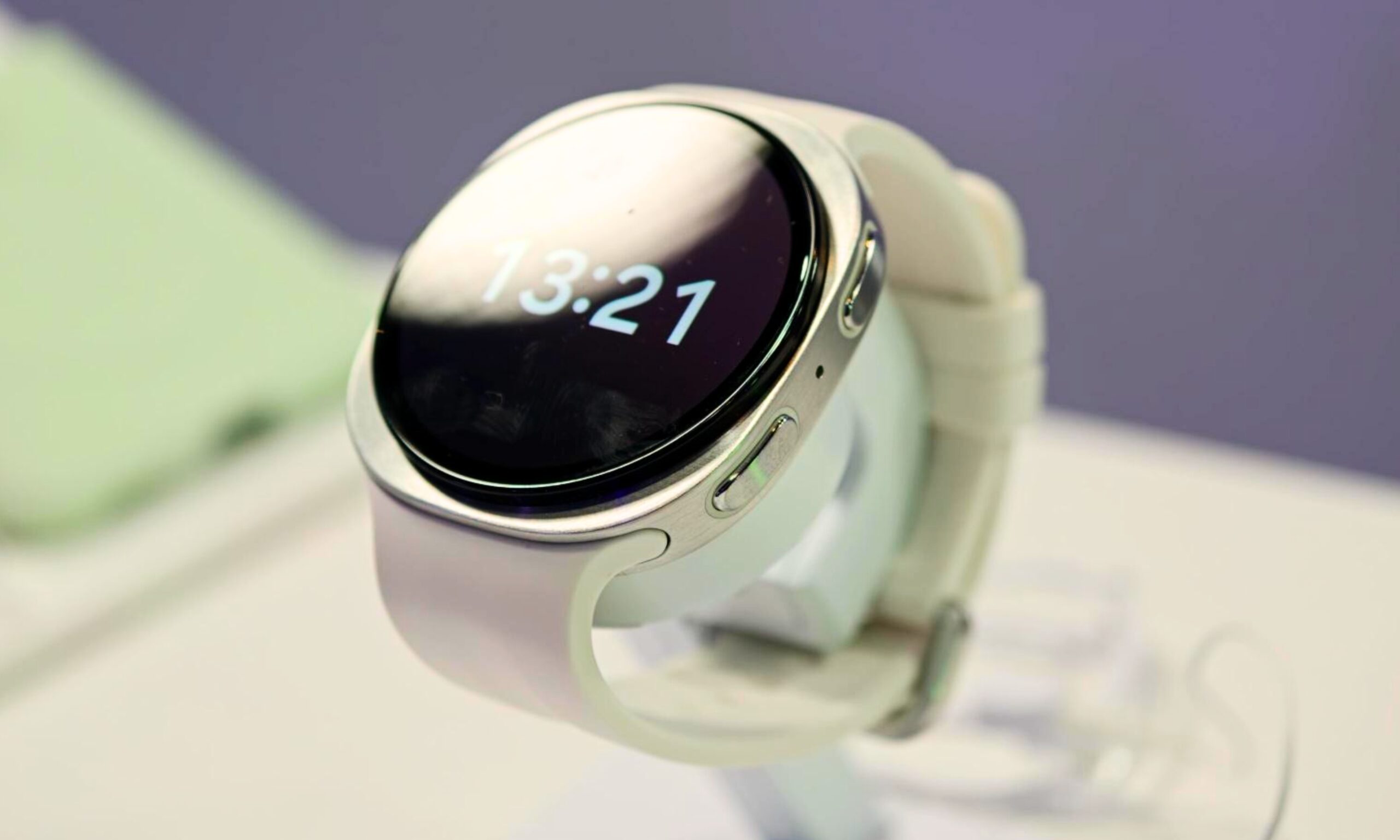
Galaxy Watch 9 has the hardware edge working in its favor
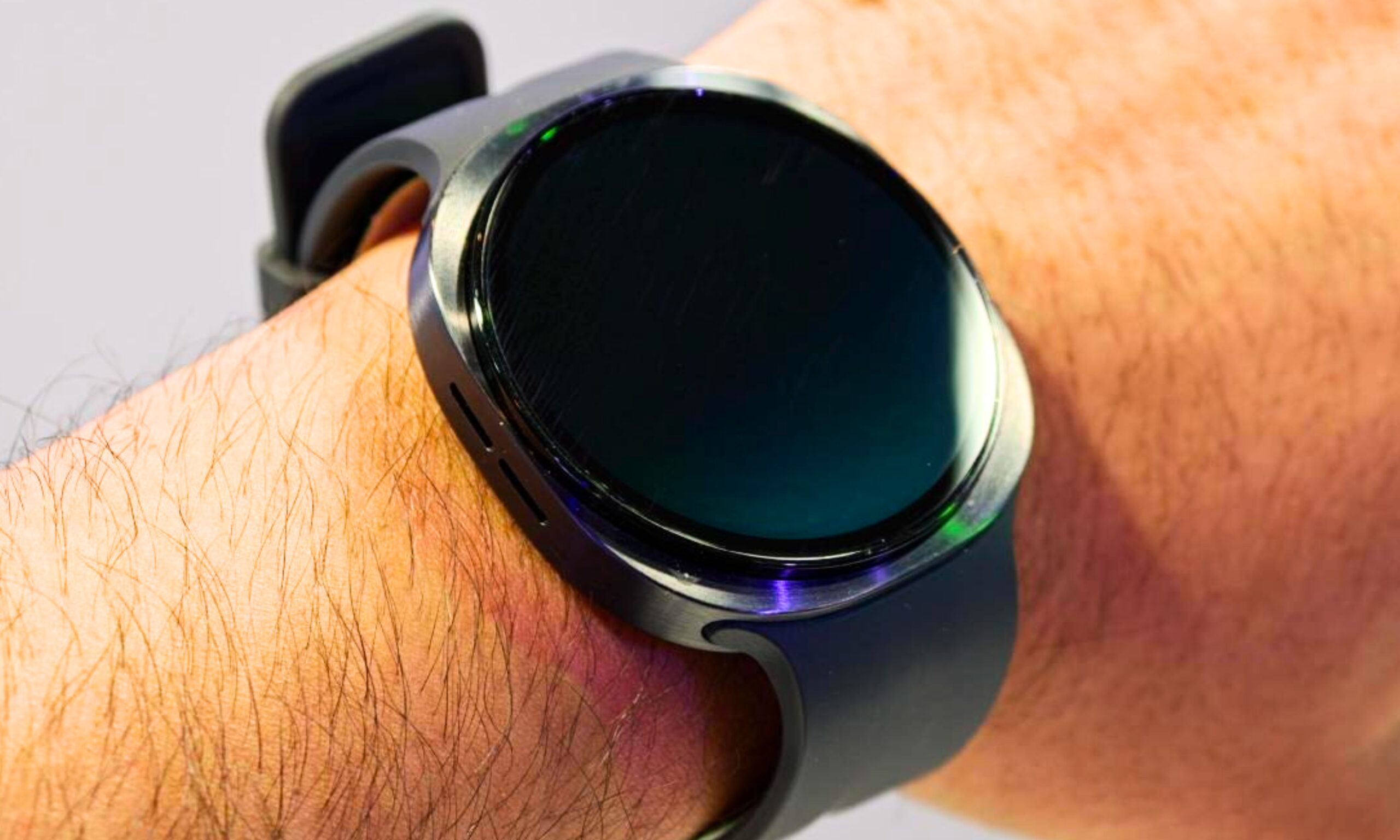
The Galaxy Watch 9 has a measurable hardware advantage, and it begins with the smartwatch’s circular display. It offers 3,000 nits of peak brightness, which translates directly into better visibility under harsh sunlight.
Samsung’s latest smartwatch also packs L1 + L5 dual-frequency GPS, which reduces location drift in dense city streets or areas with poor coverage, while Apple’s Series 11 sticks to single-frequency L1 positioning. You also get Bluetooth v6.0 instead of the Series 11’s v5.3 standard for slightly better range.
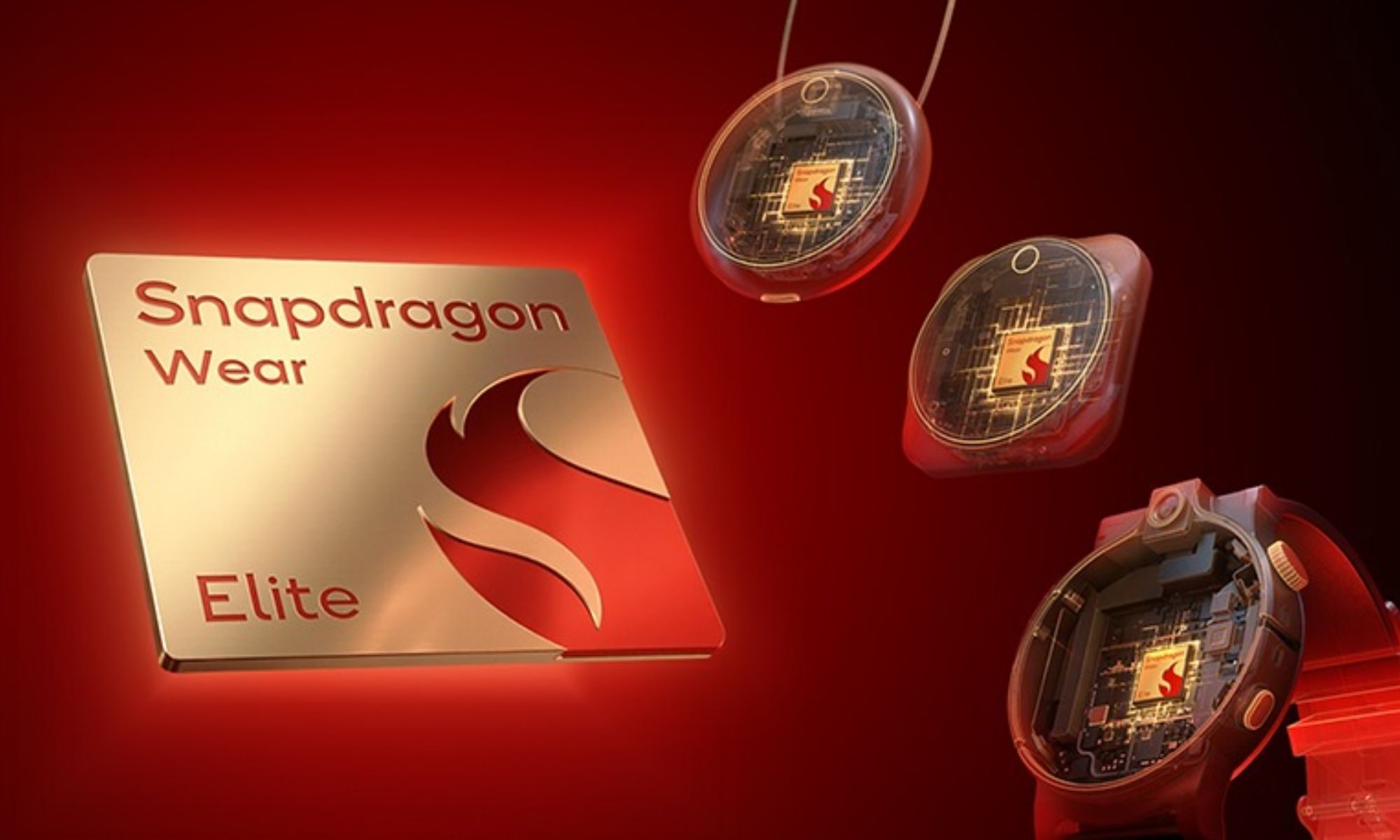
The Galaxy Watch 9 ditches Samsung’s older in-house Exynos silicon entirely for a new Qualcomm Snapdragon Wear Elite platform. So, all the interactions, graphics, and on-device AI processing should feel quite responsive.
In my opinion, Samsung’s biggest differentiator in 2026 is how the smartwatch interprets and presents health data.
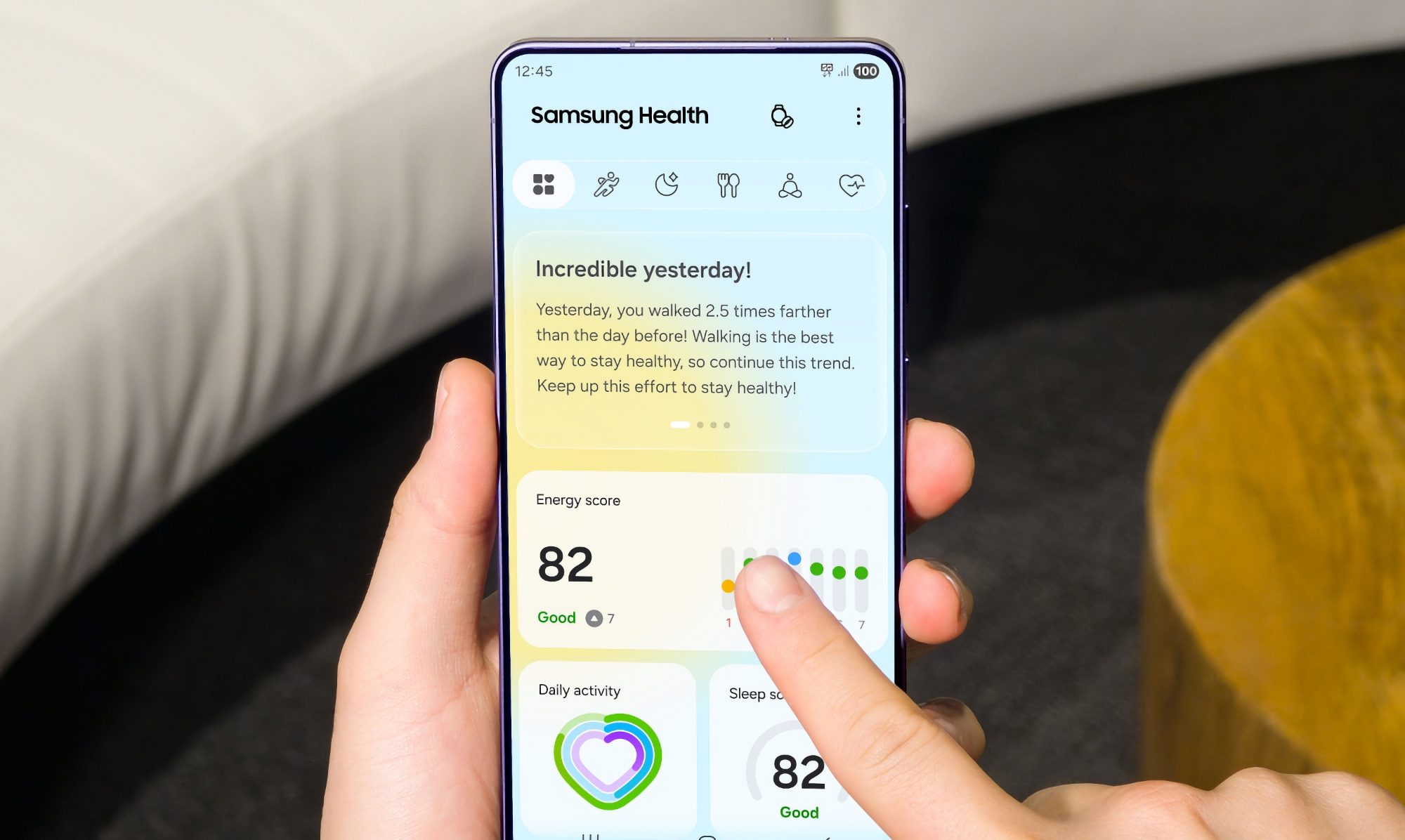

The health suite includes a lot of features this year. Heart Health Score (a consolidated cardiovascular wellness score with personalized recommendations), Daily Cardio Load (training volume and exertion relative to past workouts), and Fitness Index (measures your aerobic capacity) distill sprawling biometric data into insightful and actionable numbers.
Then there’s the Samsung Health Assistant, the AI health coach that pulls together data from multiple sensors and presents it in the form of features like a personalized running coach (offers real-time targets) and real-time hydration guidance (based on sweat loss relative to body weight).
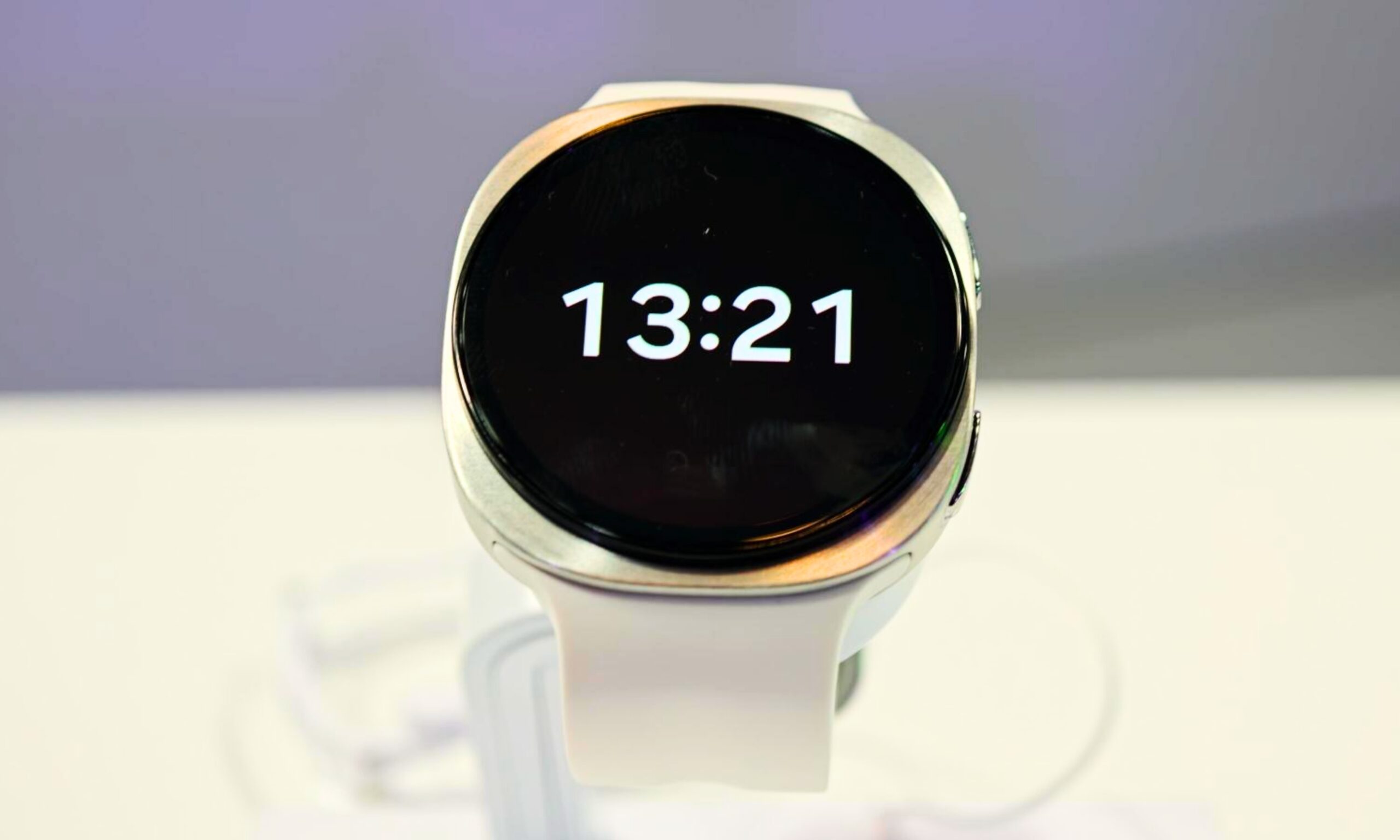
Even otherwise, One UI 9 Watch, based on Wear OS 7, ships with slightly cleaner UI elements built on a circular layout, a floating three-tab navigation bar, and an upgraded Home Tab.
Another hardware addition that the Apple Watch doesn’t have is the BioActive Sensor, which helps you estimate your body composition, including metrics like skeletal muscle, body fat percentage, total body weight, and basal metabolic rate.
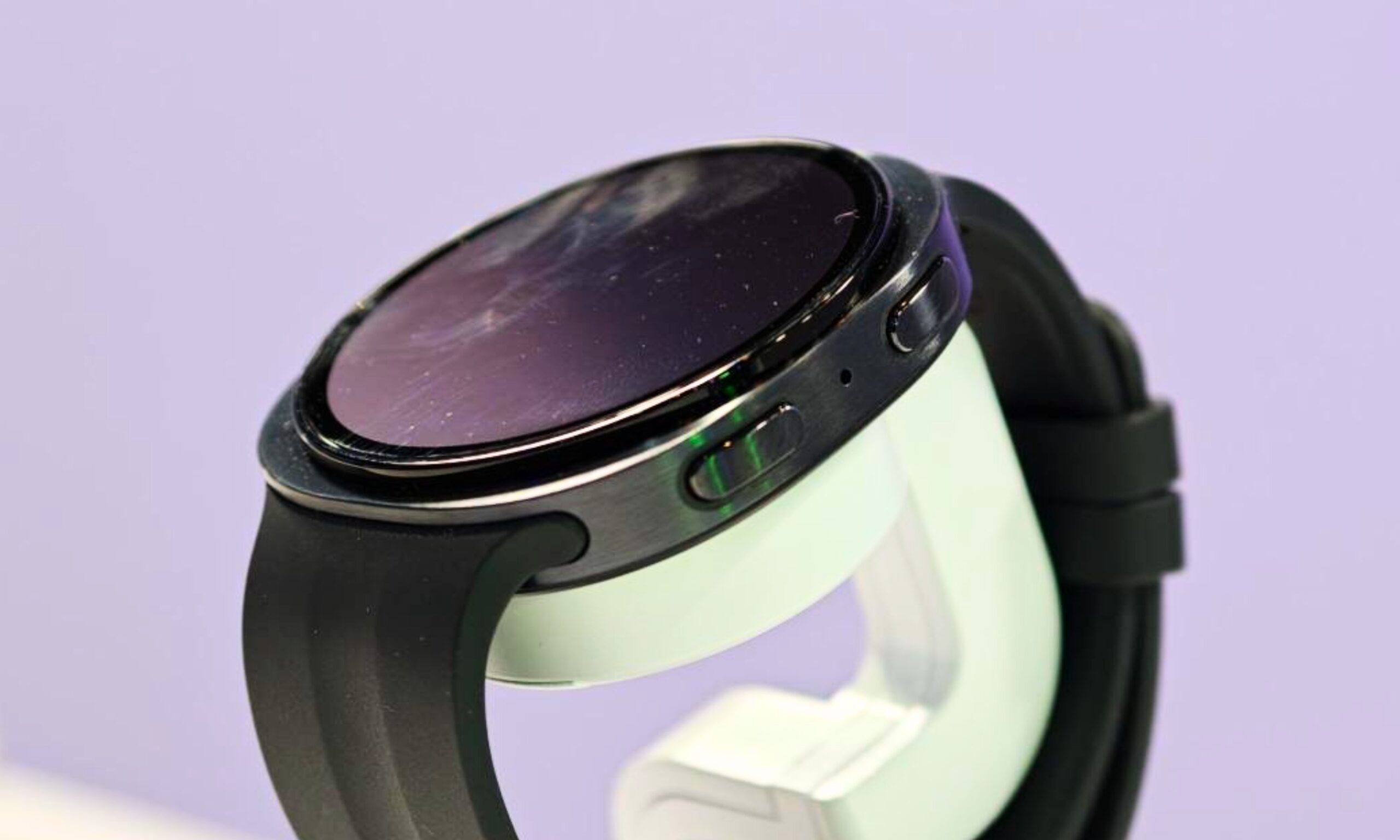
At $379.99 against Apple’s $399 starting price, Samsung’s undercut is modest but important: you’re getting newer silicon, a brighter panel, and superior GPS hardware for less money. Plus there’s bundled Strava and iFIT trial subscriptions (two months each).
Apple Watch Series 11 offers a more mature fitness and safety ecosystem
Apple Watch’s real advantage is its sheer software maturity and the volume of health and safety features. The company has spent years refining these into a cohesive experience.

The workout catalog alone dwarfs anything Samsung publishes. Beyond the running, cycling, and swimming modes, Series 11 covers skiing, rowing, paddling, golf, HIIT, Pilates, tai chi, wheelchair workouts, and kickboxing. Each of these workouts gets dedicated tracking rather than generic activity logging.
Hiking support goes further still, bundling offline topographic maps across thousands of national and regional parks, curated routes spanning all 63 US national parks. Hikers also get automatic backtrack navigation, a genuinely differentiated feature for those who know when and how to use it.

The Apple Intelligence features included on the device include Hypertension Notifications, AI Workout Buddy (real-time AI fitness coach), and intelligent sleep scoring.
Apple’s ECG app, something that the company has refined over 10 years, remains a trusted reference point for millions of users. Apple Watch also supports GymKit integration, letting the watch sync directly with compatible gym equipment.

Safety features round out Apple’s case convincingly. Crash Detection, Fall Detection, and international emergency calling. Meanwhile, Cycle Tracking’s retrospective ovulation estimates, along with a dedicated Medications app, add utility Samsung doesn’t directly counter feature-for-feature.
Beyond the fitness and safety features, the Watch 11 appeals to people interested in recreational water sports, including swimming and snorkeling. It ships with a built-in depth gauge rated to six meters and a dedicated water temperature sensor. This kind of dive-adjacent functionality is something that Samsung reserves exclusively for its pricier Ultra 2.

Another key differentiator is the Digital Crown on the side, which enables a tactile interaction experience. If you rely on third-party apps, smart home controls, payments, fitness services, or productivity tools, Apple still offers the richer ecosystem. The tradeoff, as always, is the walled garden. None of this works without an iPhone in your pocket.
Beyond ecosystem quirks, which one is better?
Let’s cut through the nerd-talk for a minute. Your smartwatch can only be as good as the phone it connects to. If you own an Android phone, especially a Samsung Galaxy device, the Watch 9 is an obvious choice. If you already own an iPhone, the Apple Watch Series 11 isn’t just the better option.
Within those boundaries, though, each watch has a clear identity, and you should know about them, especially if you own both a Samsung Galaxy smartphone and an iPhone, and you’re in the market for a capable smartwatch that doubles as a fitness tracker.
If I look at it purely from a hardware and volume-of-features perspective, I’d have to give the edge to the Galaxy Watch 9 this year. It also has Gemini AI assistant, while Apple’s Siri AI will ship in September 2026. The Watch Series 11, meanwhile, continues to win at general fitness monitoring, outdoor activity tracking, and deep integration with iOS.
The only scenario where this becomes tricky is when you either own both a Samsung Galaxy smartphone and an iPhone, or if you’re choosing an entire smartphone ecosystem from scratch. In that case, you can base your decision on the features or UI you like the most.
| Buy the Galaxy Watch 9 if… | Buy the Apple Watch Series 11 if… |
| You own an Android phone (non-negotiable) | You own an iPhone (non-negotiable) |
| Display brightness and GPS accuracy matter most | Workout variety and hiking features are priorities |
| You want the newer chip at a lower price | You want built-in dive features without buying an Ultra tier |
| Simplified, score-based health metrics appeal to you | Comprehensive safety features like Crash Detection matter |