  1. Home
  2. Emerging Tech
  3. News

AI isn’t just being forced on us. Even forest monkeys are now a test audience in the name of science

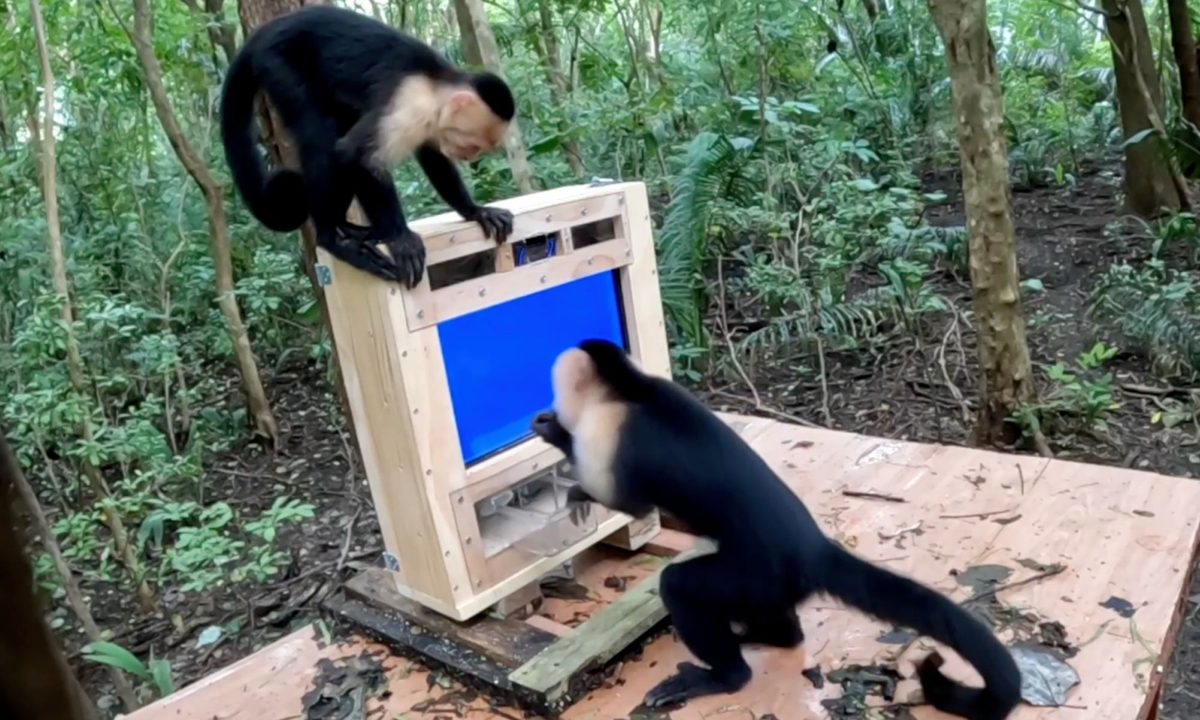
Researchers from Emory University have built an AI-powered touchscreen that rewards wild capuchin monkeys with banana slices, helping them study how they think, learn, and solve problems in their natural habitat.

Add as a preferred source on Google
Capuchin interacting with CapuchinAI device
Emory University

You didn’t ask for an AI summary of your inbox or a chatbot in your camera app, but you got it anyway. The same thing is happening to the monkeys of Costa Rica’s Taboga Forest Reserve. According to a New York Times report, researchers have handed them a touchscreen system that uses artificial intelligence to study how wild capuchins think and learn without ever taking them out of their natural habitat.

Even monkeys can’t escape AI now

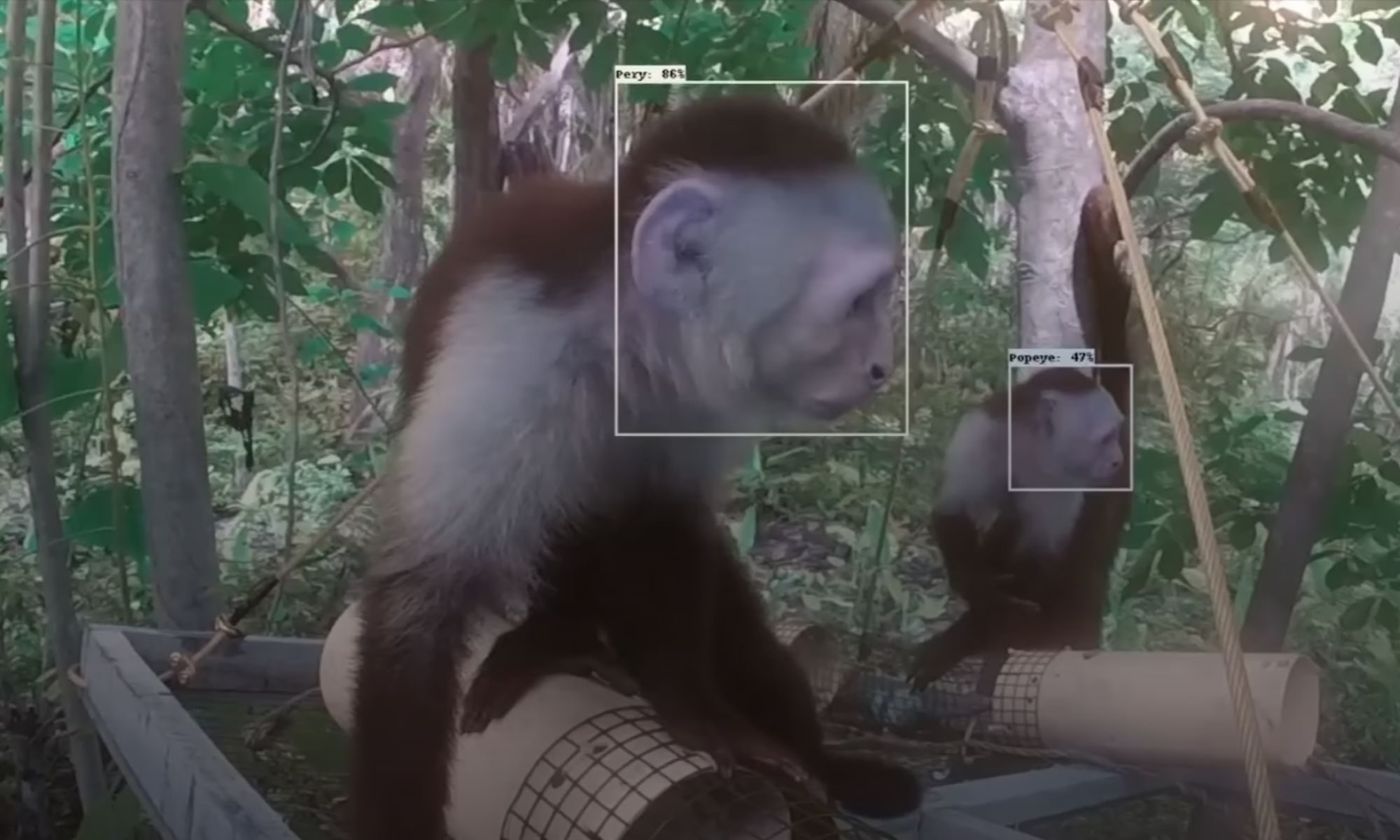
Unlike the AI features popping up across our apps, this one actually has a scientific purpose. The device, called CapuchinAI, is a portable testing station built by Emory University researchers. It combines a touchscreen, a webcam, and a 3D-printed food dispenser inside a wooden frame. Facial recognition software trained on images of Taboga’s resident capuchins identifies an approaching monkey and presents a simple challenge: touch the screen to earn a piece of dried banana.
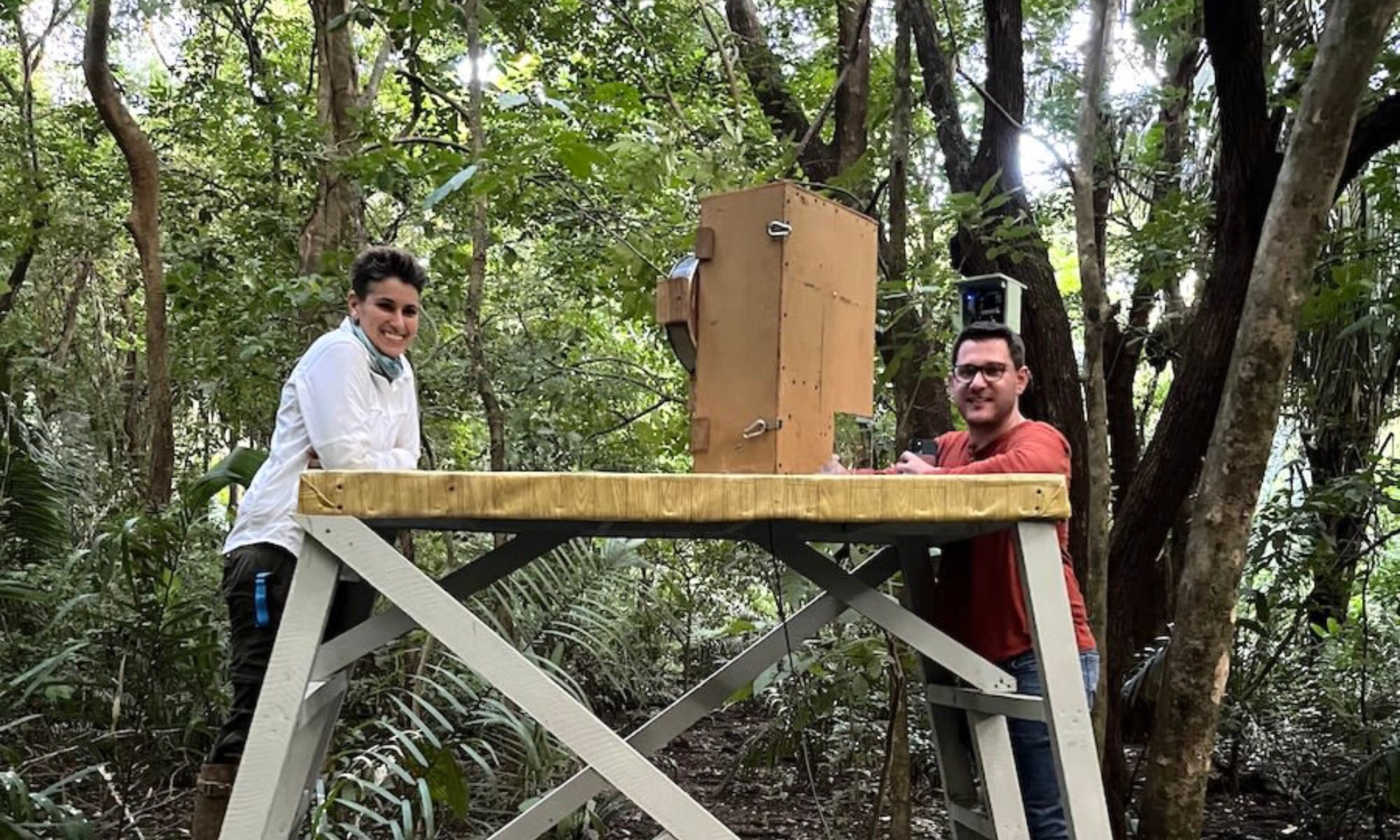
According to the study, the researchers waited two days before any capuchin approached the device. On the third day, an alpha male the researchers named Papi showed up, and before long he learned the pattern. Eventually, ten of the sixteen capuchins who interacted with the station figured out the task, and at least eight remembered how it worked during later sessions.

Recommended Videos

Dr. Marcela Benítez, a primatologist at Emory University, said the goal is to observe how primates solve problems under the same pressures they experience in the wild, something a lab setting can’t replicate.

The AI upgrade is already on the way

This summer, the team plans to test an upgraded model that identifies individual capuchins instead of simply recognizing the species. The new system will also run tests for impulse control and cognitive flexibility, tracking each monkey’s progress the way a game tracks a player’s stats. It’s a more interactive step up from the facial recognition software previously used to identify individual chimpanzees in the wild, since CapuchinAI pairs recognition with a live reward loop.
Most of us know AI as the thing that keeps appearing on our phones, browsers, and inboxes, whether we want it or not. Now it’s showing up in the Costa Rican rainforest too. The difference here is that these new users are wild capuchins tapping a screen for banana slices, all in the name of science.


Pranob Mehrotra
Pranob is a seasoned tech journalist with over eight years of experience covering consumer technology. His work has been…
AI turned a disgraced President under house arrest into a live avatar for another election campaign
Bolsonaro found an AI-shaped route back onto the campaign stage
Face, Head, Person

Jair Bolsonaro is barred from Brazil’s 2026 presidential election, being confined to house arrest and restricted from communicating publicly. But an AI-generated version of the former president still managed to take the stage at his son’s campaign launch.

The synthetic Bolsonaro appeared in a video at the launch of Senator Flávio Bolsonaro’s presidential campaign in São Paulo. It openly identified itself as AI-generated before endorsing Flávio as the person chosen to carry forward his father’s political movement. Flávio is running against incumbent President Luiz Inácio Lula da Silva in Brazil’s October election.

Read more
AI can turn a cloud of scuba bubbles into an early warning for divers
An underwater robot can estimate breathing rates from video, although the research stops short of proving that it can diagnose stress or distress
Nature, Outdoors, Water, Scuba

University of Minnesota researchers have taught an AI underwater robot to estimate a diver’s breathing rate by watching the bubbles released with each exhalation.

The contactless system, detailed in a peer-reviewed study published in The International Journal of Robotics Research, works with ordinary camera footage. Divers don’t need to squeeze another sensor into an equipment loadout that is hardly lacking for accessories.

Read more
Microsoft wants AI to catch hackers before they even attack
Red team, blue team, green team: Microsoft just gave its AI a full security squad.
Microsoft Project Perception

With AI now capable of writing exploits and running attacks at machine speed, the security tools built for a slower, human-paced world are starting to show their age. Microsoft thinks it has the answer, and it's calling it Project Perception.

So what exactly is Project Perception?

Read more