  1. Home
  2. Smart Home
  3. News

Proxima wants to move blood tests into the home, and it has cleared an important early hurdle

The portable analyzer delivers blood-count results in about 20 minutes, but its promise depends on transparent clinical data

Add as a preferred source on Google
Furniture, Table, Desk
Algocyte

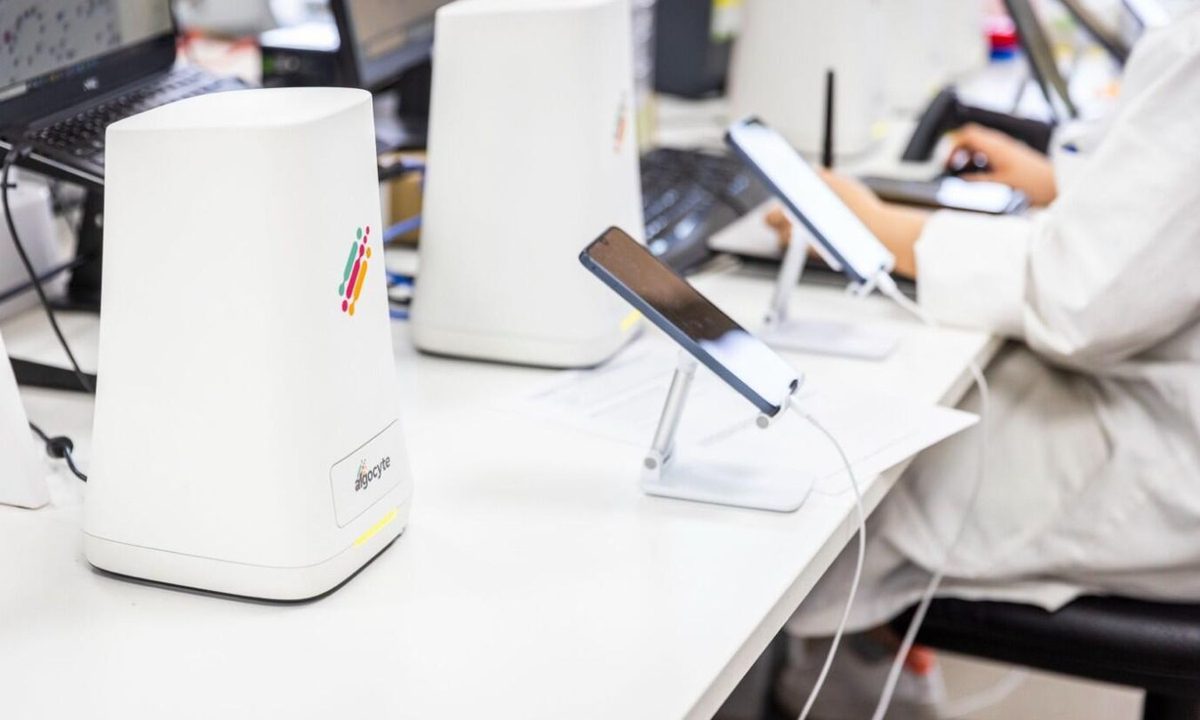
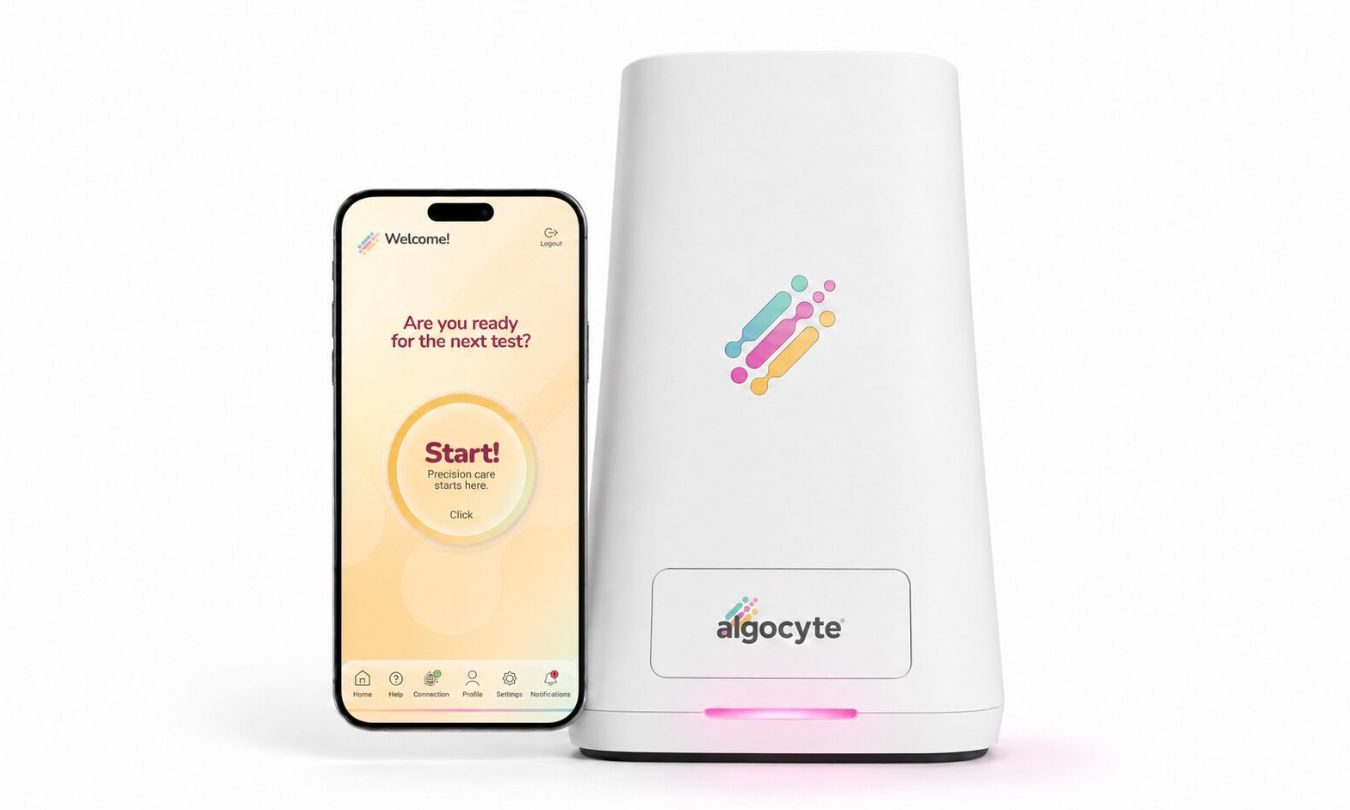
Algocyte’s Proxima is designed to run blood-count tests from a small finger-prick sample and send the results to a clinician in about 20 minutes. For patients who need frequent monitoring, that could mean fewer trips to a clinic or laboratory.

The device has also moved beyond the concept stage. Proxima carries UK conformity credentials, while Algocyte operates under a certified medical-device quality system. Those steps give the project more weight than a prototype shown at a launch event.

What Proxima actually does

Proxima is an ultra-portable hematology analyzer built around a small blood sample. Algocyte says it can measure markers used in a partial or full blood count, including red and white blood cells, platelets, and hemoglobin.
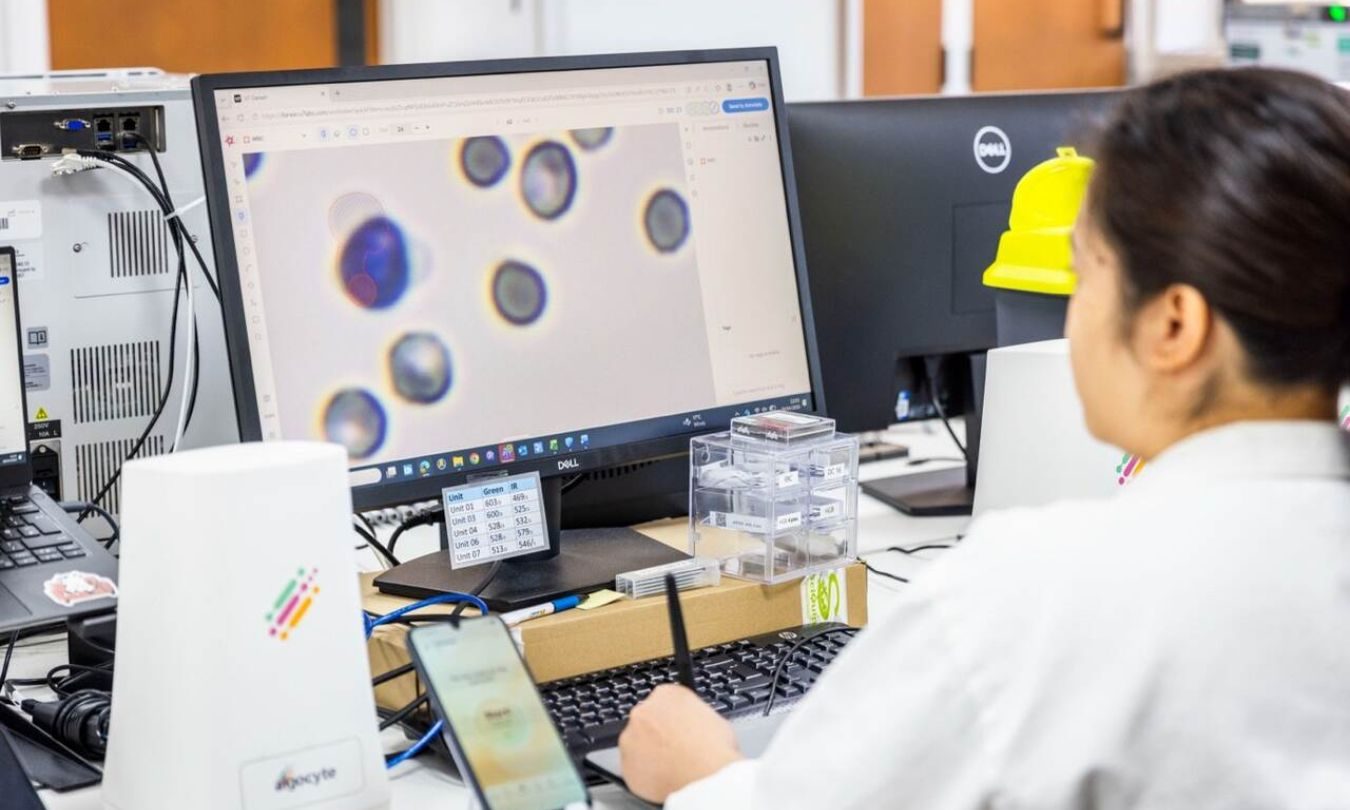
A smartphone app controls the device. Two sensing systems capture information from the sample, then AI converts those signals into biological measurements.

Recommended Videos

The results are sent to a clinician dashboard rather than presented as a diagnosis for patients to interpret alone. Algocyte is initially targeting supervised use by healthcare workers, with home monitoring positioned as a longer-term goal.

What the early clearance means

Proxima is UKCA marked as a General IVD, while further conformity work remains underway for additional uses. Algocyte also holds ISO 13485 certification for its medical-device quality system.

These credentials show that formal design and manufacturing processes are in place. They don’t independently prove how closely Proxima’s readings match conventional laboratory equipment.
Finger-prick testing still draws extra scrutiny after Theranos, though Proxima’s current claim is much narrower. It’s being presented as a supervised hematology tool rather than a replacement for an entire clinical laboratory.

What still needs to be shown

The clearest next step is public performance data comparing Proxima with established reference analyzers across every claimed marker. That evidence should also show how often tests fail or need to be repeated.

Real-world use will matter just as much. Finger-prick collection can vary, and a device intended for home monitoring has to remain dependable when samples aren’t handled by laboratory staff.

Proxima has cleared several meaningful early hurdles and is making a restrained claim. Its next milestone should be equally concrete, with published clinical evidence that doctors and patients can examine for themselves.

Paulo Vargas
Paulo Vargas is an English major turned reporter turned technical writer, with a career that has always circled back to…
Remember Samsung’s Ballie home robot? It may finally be inching closer to reality
Leaked app wireframes give the strongest hint yet that Samsung's Ballie home robot, first shown at CES 2020, might still be headed toward an actual release.
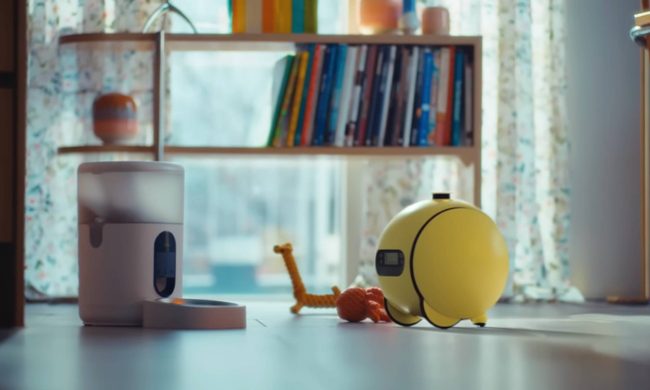
Samsung Ballie robot in a room next to a dog feeder.

Samsung's rolling home robot has been the industry's longest-running "will it ever actually ship" joke, and I'll admit I'd mostly given up on it. Now, there's finally a glimmer of hope.

Samsung first unveiled Ballie as a concept at CES 2020. Then, it showed it as a significantly upgraded version four years later. However, the company never confirmed a release date or committed to releasing it at all. 

Read more
The US foreign-made robot crackdown is coming for future Roombas too
Future Roombas face new US sales hurdles, but existing models are unaffected
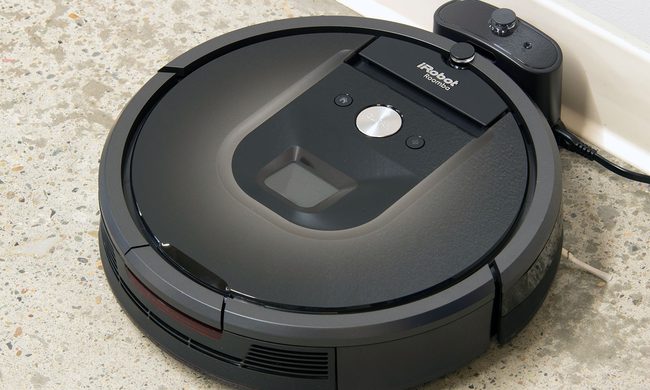
Roomba 980

The FCC has already made it much harder for foreign drone makers such as DJI to bring new products into the US. Now, the same crackdown is reaching a machine far more likely to be moving around your living room.

The US government recently added foreign-made advanced robotic devices to the FCC’s Covered List. The announcement appeared focused on humanoids, robot dogs, and industrial machines, but an FCC spokesperson has confirmed to The Verge that robot vacuum cleaners are covered too.

Read more
The GOKO M6 Robotic Lawn Mower Brings Industrial Robotics to Modern Lawn Care
7 reasons this AI-driven powerhouse makes hands-free yard work smarter than ever
Grass, Lawn, Plant

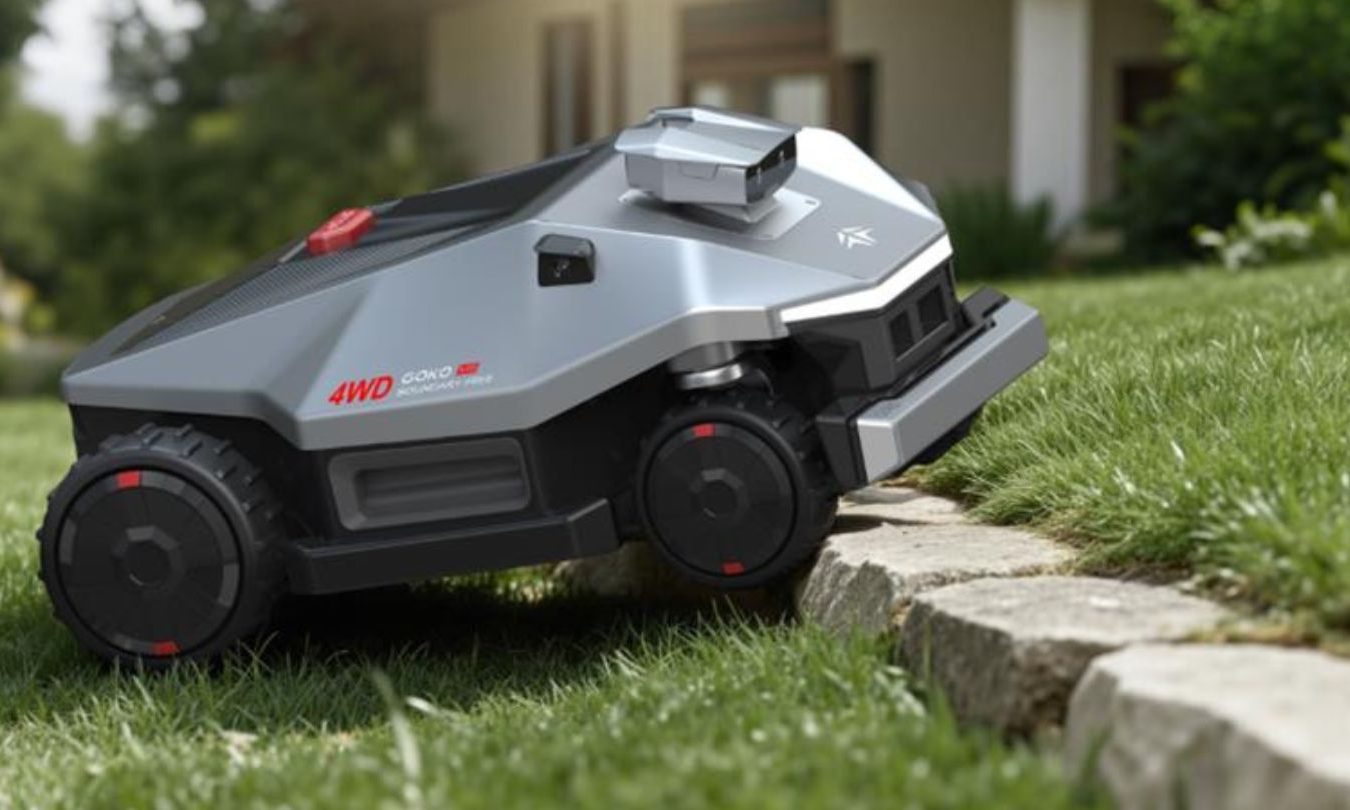
Robotic lawn mowers can save homeowners hours of manual yard work, but not every model is designed for challenging properties. While many perform well on flat lawns, larger yards with uneven terrain, steep slopes, and multiple mowing zones require a mower built for more demanding conditions.

Developed by GOKO, the consumer robotics brand of Robot++, the GOKO M6 is an industrial-grade 4WD AI-powered robotic lawn mower that brings more than a decade of industrial robotics expertise to residential lawn care. It combines AI-powered four-wheel drive, advanced navigation technologies, and AI QuadVision obstacle detection to tackle complex landscapes with less manual intervention.

Read more