  1. Home
  2. Cars
  3. Photo Galleries
  4. Legacy Archives

The 2015 Mazda2 will feature a Wankel rotary engine, just not in the way you think

Add as a preferred source on Google

When the Mazda RX-8 was phased out in 2011, it meant the end of Wankel rotary engine, at least temporarily. Consequentially, auto enthusiasts made a collective sad face. We loved the high-revving, oil-burning, low displacement thrills that came with Mazda’s spinning triangle, but the Wankel isn’t dead yet.

According to a report by Motoring, the 2015 Mazda2 will receive a plug-in hybrid variant that features a small Wankel as a gas-powered range extender.

Rotary fans have the 2013 Mazda2 RE prototype to thank, as the electric car was retrofitted with a .330-liter rotary range extender in 2013. The 220-pound Wankel was fastened under the rear of the RE, and fed power directly to the lithium-ion battery pack. Because it was mounted on its side, it nearly eliminated vertical vibration.

This made the engine much quieter, so it didn’t disrupt the stealthy driving characteristics of the electric vehicle.

The addition of the Wankel, which sipped from a 2.3-gallon fuel tank, nearly doubled the range of the Mazda2 RE to 236 miles. The next generation Mazda2, which is known as the Demio overseas, looks to be a continuation of that concept. The standard Mazda 2 will feature a SKYACTIV-D 1.5-liter diesel that develops 103 horsepower.

The Mazda2 will likely draw styling cues from the Hazumi Concept that debuted at the 2014 Geneva Motor Show. The supermini hatchback embodied the same “Kodo” design philosophy that underpins the Mazda3, Mazda6, and CX-5, but it’s been downsized to emphasize fuel economy and affordability.

Kodo sees a car as a living, breathing work of art rather than a mass of independent components. Its tagline, “Kodo: Soul of Motion,” accentuates that philosophy. We hope to see the emotive Kodo designs from the Hazumi Concept featured on the production Mazda2 when it’s released in the coming months.

Andrew Hard
Andrew first started writing in middle school and hasn't put the pen down since. Whether it's technology, music, sports, or…
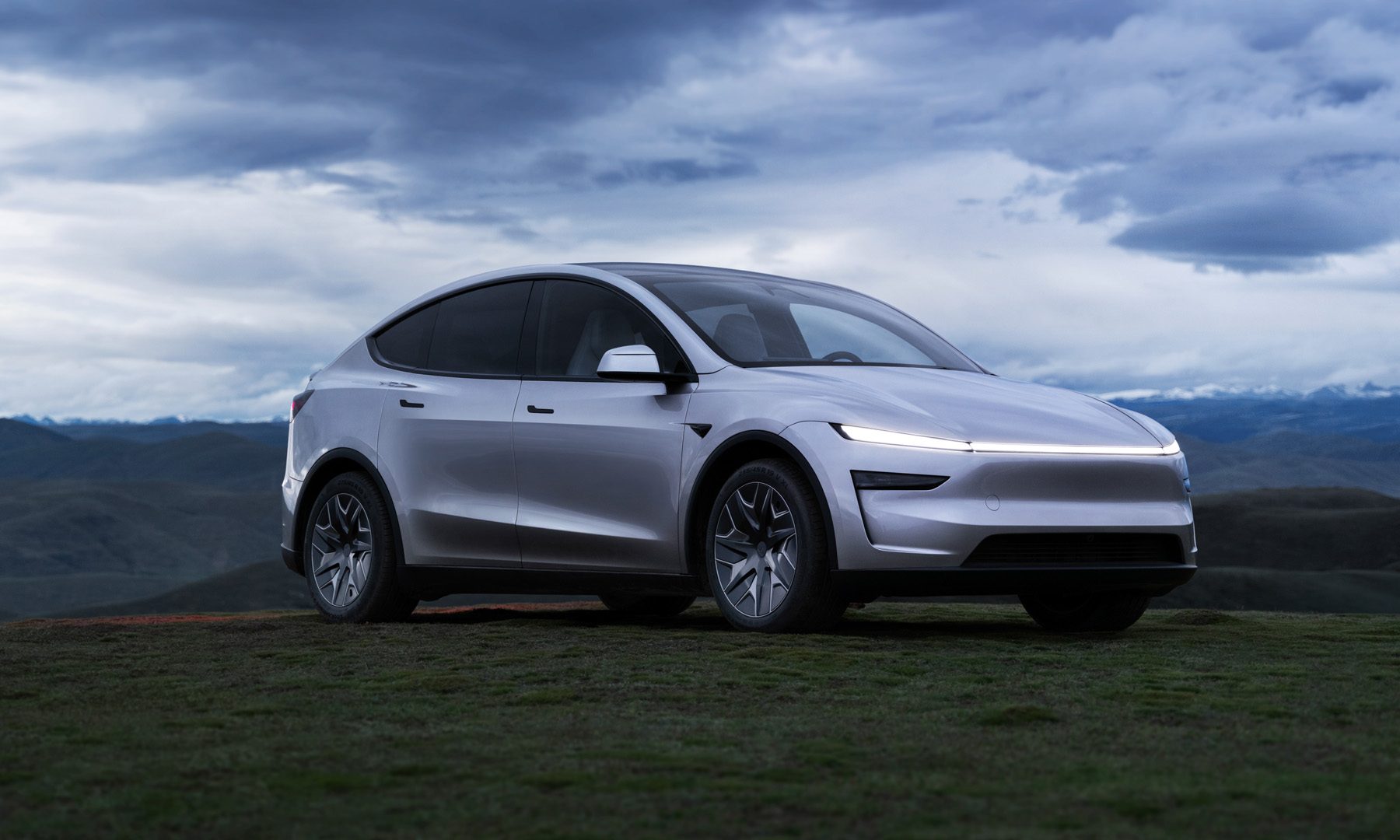
Tesla launches the six-seat Model Y Long Wheelbase in the US
The stretched electric SUV brings more space, more comfort, and up to 325 miles of range.
Tesla Model Y Long Wheelbase Featured

Tesla is giving the Model Y a little more breathing room. The company has officially launched the Model Y Long Wheelbase in the United States and Puerto Rico, introducing a stretched version of its best-selling electric SUV with a three-row, six-seat layout that's designed to make family road trips a lot more comfortable.

A bigger Model Y with a focus on comfort

Read more
A stolen Kia reveals the hidden limits of connected car technology
Kia can see where your stolen car is. GDPR means it won't share that in real time. That is the entire problem.
Kia EV3 design

If you’re buying a car with connected car technology, thinking it would help you to recover it in the event of theft, you might want to recalibrate your expectations. 

A recent incident in the UK, in which a car owner had three tracking devices installed in his car and still couldn’t recover it, led the carmaker to state that connected-car technology isn’t a “certified security vehicle tracker” (via the BBC).

Read more
Cambrige experts find utterly simple fix for longer lasting EV batteries. Just put some pressure on it.
Scientists found a way to make EV batteries last longer without reinventing the battery
EV Charging

EV battery breakthroughs typically involve new chemistry, exotic materials, or faster charging/higher capacity. But a new study reveals that you can skip all the fancy stuff and go with a very simple solution, Researchers from the University of Cambridge found that putting the battery under the right amount of pressure actually helps.

The study was about how physical pressure affects lithium-ion battery life, which found that keeping cells under constant pressure could double their lifespan. The work was published in Nature Energy, and the team says the improvement came without changing the active materials, electrolyte, or basic battery chemistry.

Read more