  1. Home
  2. Cars
  3. Gaming
  4. Photo Galleries
  5. News

Peugeot unleashes 875-horsepower digital supercar for Gran Turismo 6

Add as a preferred source on Google

Paris-based Peugeot has introduced a futuristic new concept designed specifically for Gran Turismo 6.

Called simply Vision Gran Turismo, Peugeot’s concept takes the form of a rakish, low-slung supercar that stands out as one of the most aggressive-looking cars the company has released in recent memory. The front end is characterized by a pair of sharp headlights and a four-slat grille with a large Peugeot emblem, while the back end gets a spoiler that automatically extends, huge twin air vents that direct air away from the engine compartment and the automaker’s signature claw-shaped tail lamps.

The Vision Gran Turismo rides on center-locking 22-inch alloy wheels up front and 23-inch units out back.

Related: Peugeot’s wild 500-horsepower 308 R HYbrid bows in Shanghai

Power for the Vision Gran Turismo concept comes from a mid-mounted 3.2-liter V6 engine that uses a pair of large turbochargers to make 875 digital horsepower. The six-cylinder’s grunt is transferred to all four wheels via a six-speed manual transmission, and massive Brembo brakes all around bring the action to a stop.

The virtual concept tips the scale at just 1,929 pounds thanks to the extensive use of lightweight materials. It can reach 62 mph from a stop in a spine-snapping 1.73 seconds, a figure that makes it the fastest Peugeot ever built by a country mile.

Of course, the aforementioned specs are purely hypothetical because the Vision Gran Turismo will never see the light that awaits at the end of a production line. Peugeot promises its latest concept will be part of a free update for Gran Turismo 6 that will be released in the very near future, but a more precise timeframe was not given.

Gamers who add the Peugeot Vision Gran Turismo to their garage will be able to race against a growing number of virtual supercars including the Volkswagen GTI Supersport, the retro-inspired Alpine Vision Gran Turismo and the laser beam-powered Chevrolet Chaparral 2X.

Ronan Glon
Ronan Glon is an American automotive and tech journalist based in southern France. As a long-time contributor to Digital…
Tesla launches the six-seat Model Y Long Wheelbase in the US
The stretched electric SUV brings more space, more comfort, and up to 325 miles of range.
Tesla Model Y Long Wheelbase Featured

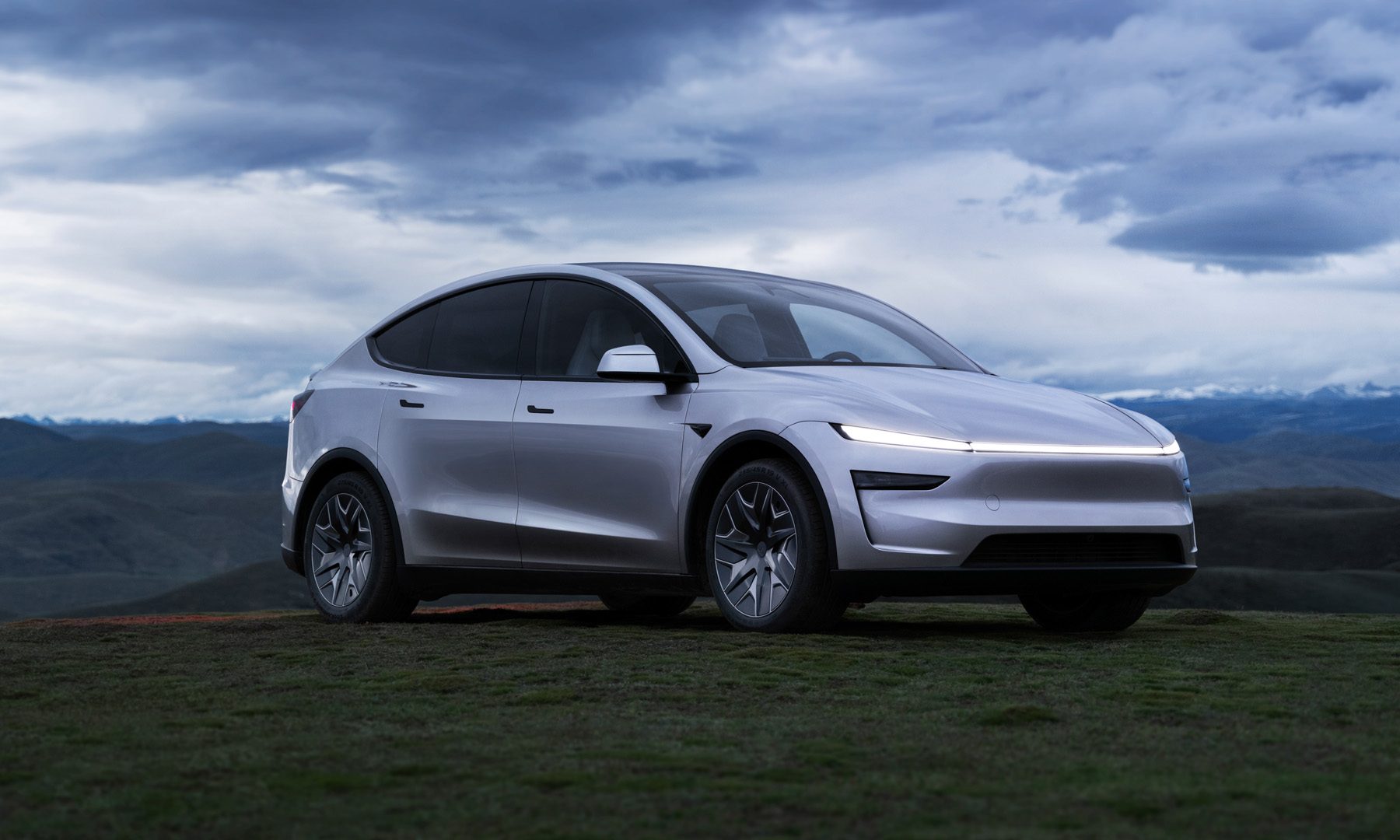
Tesla is giving the Model Y a little more breathing room. The company has officially launched the Model Y Long Wheelbase in the United States and Puerto Rico, introducing a stretched version of its best-selling electric SUV with a three-row, six-seat layout that's designed to make family road trips a lot more comfortable.

A bigger Model Y with a focus on comfort

Read more
A stolen Kia reveals the hidden limits of connected car technology
Kia can see where your stolen car is. GDPR means it won't share that in real time. That is the entire problem.
Kia EV3 design

If you’re buying a car with connected car technology, thinking it would help you to recover it in the event of theft, you might want to recalibrate your expectations. 

A recent incident in the UK, in which a car owner had three tracking devices installed in his car and still couldn’t recover it, led the carmaker to state that connected-car technology isn’t a “certified security vehicle tracker” (via the BBC).

Read more
Cambrige experts find utterly simple fix for longer lasting EV batteries. Just put some pressure on it.
Scientists found a way to make EV batteries last longer without reinventing the battery
EV Charging

EV battery breakthroughs typically involve new chemistry, exotic materials, or faster charging/higher capacity. But a new study reveals that you can skip all the fancy stuff and go with a very simple solution, Researchers from the University of Cambridge found that putting the battery under the right amount of pressure actually helps.

The study was about how physical pressure affects lithium-ion battery life, which found that keeping cells under constant pressure could double their lifespan. The work was published in Nature Energy, and the team says the improvement came without changing the active materials, electrolyte, or basic battery chemistry.

Read more