1. Home
  2. Computing
  3. News

Phillips 276E6ADS plans to bring Quantum Dot technology to mainstream monitors

Add as a preferred source on Google

Quantum Dot technology looks set to be the next great stride in consumer displays. We’ve already seen it implemented in laptops via the Asus Zenbook NX500, but Phillips is set to become the first manufacturer to implement it in a desktop monitor later this summer.

The 27-inch Phillips 276E6ADS is already available in China, and will be released in Europe and the United States before the end of the summer. A partnership with QD Vision has allowed the company to become the first to offer the level of fidelity offered by Quantum Dot technology in this sort of device.

Recommended Videos

Quantum Dots are tiny crystals that glow when light is shone upon them. The particular color that they display is dependent on their size, which can be controlled with a very high degree of accuracy — they’re absolutely minuscule, to the extent that the number of atoms in a single dot is crucial during the manufacturing process.

They’re also very stable, which means that they won’t wear out over time. The colors that individual Quantum Dots display won’t warp or change over time, which gives the technology an obvious appeal from a consumer standpoint.

Aside from its obvious applications in computer displays and high-end television sets, there has also been some interest in Quantum Dot technology from the burgeoning world of virtual reality. Promising VR project The Void reportedly uses it to offer a higher level of immersion than would be possible with conventional display processes.

Expect to hear plenty more about Quantum Dots in the future. Just last year, the technology was being talked about largely in theoretical terms, but we’re already seeing it implemented in consumer products. Going into 2016, it will be very interesting to see just how broad the usage of this tech will become.

Brad Jones
Brad is an English-born writer currently splitting his time between Edinburgh and Pennsylvania. You can find him on Twitter…
ChatGPT will now remind teens to take breaks and give parents more controls
New parental controls include Quiet Hours, Study Mode defaults, and alerts for serious account violations.
chatgpt-teen-safety-features

OpenAI wants to make ChatGPT safer for teens, and the changes go well beyond a simple content filter. In a new update, the company laid out its stance on why teens should have access to AI in the first place, arguing that keeping them away from it entirely would leave them unprepared for one of the defining technologies of their generation.

Nearly 90% of teens already use ChatGPT weekly for learning, research, or getting organized, which is why OpenAI says access needs to come paired with real protections built for their age.

Read more
ChatGPT’s new search tool saves you from digging through old chats, files, and images
You can also filter ChatGPT search results by content type.
chatgpt-new-search

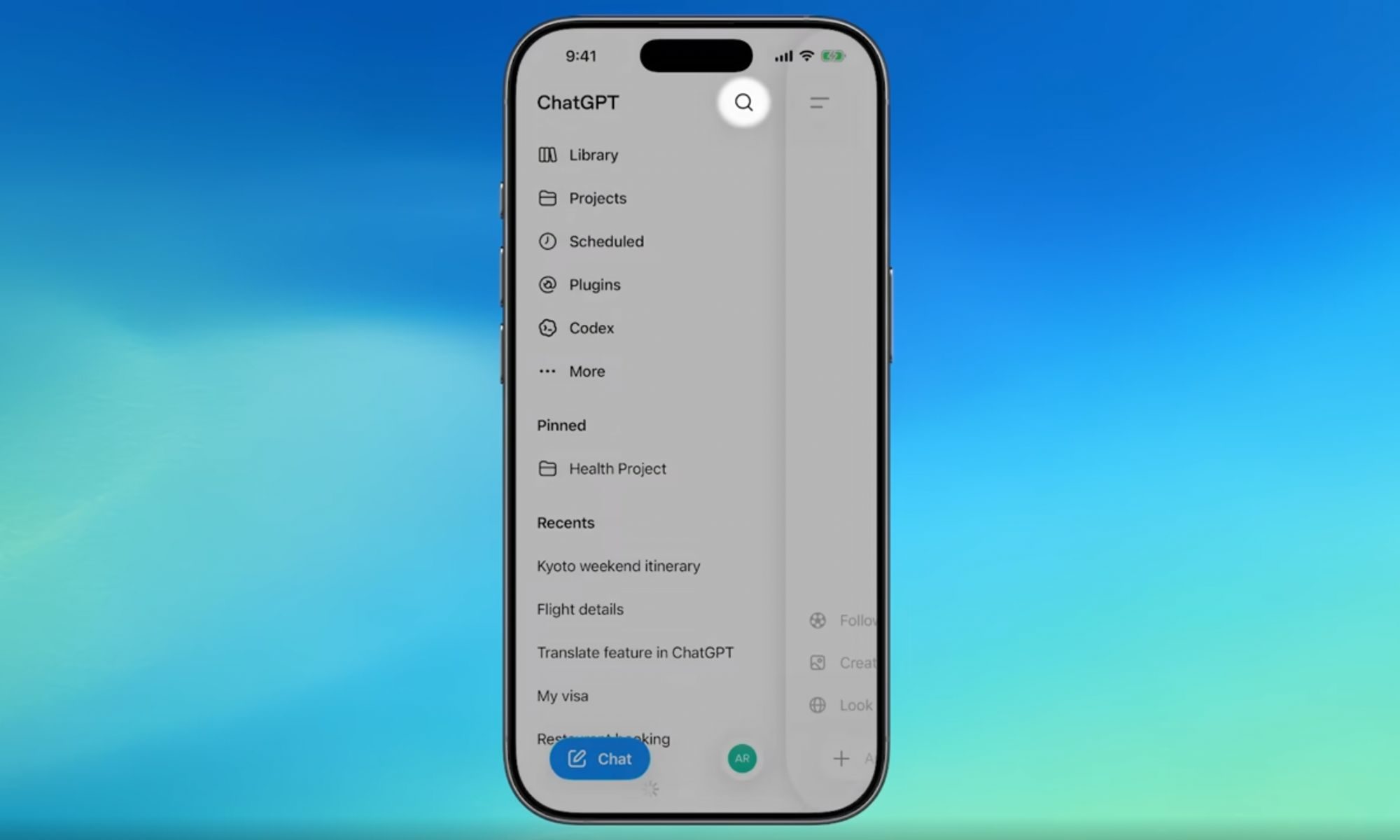
If you have ever lost a great ChatGPT answer somewhere in your endless chat history, that headache is finally over. OpenAI has rolled out a major search upgrade that lets you find old chats, projects, documents, and images all from one place.

Before this update, the sidebar search only pulled up past conversations, leaving uploaded files, projects, and generated images completely out of reach. The new search option is now available across web, iOS, and Android, on every ChatGPT plan, including free accounts.

Read more
You can now link your favorite apps to AI Mode in Google Search to get things done
AI Mode now works with Instacart, Canva, and YouTube Music inside Search.
google-search-ai-mode-connect-apps

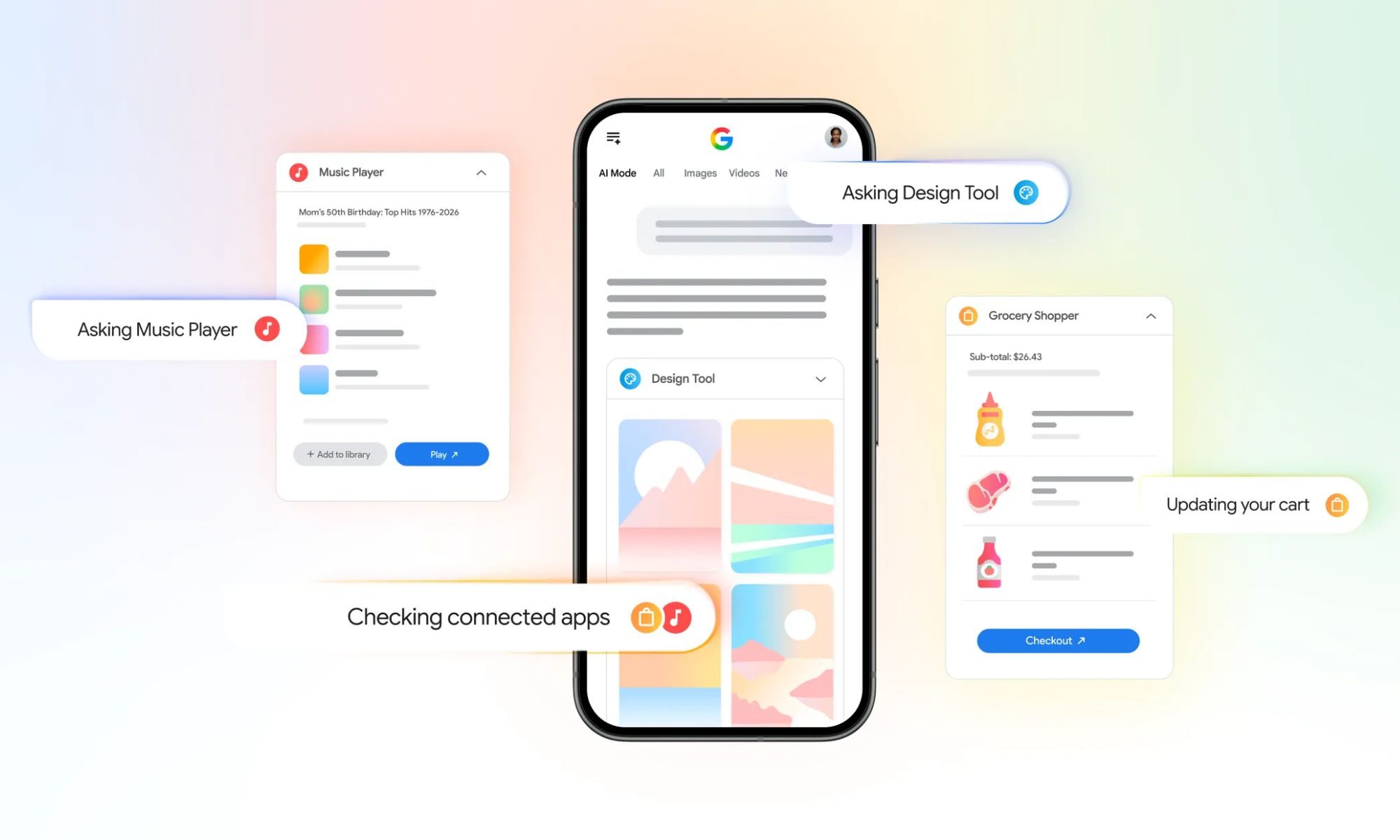
Google is making AI Mode in Search more useful by letting you connect third-party apps. Starting this week in the US, you can securely connect some of your go-to apps directly to AI Mode, letting Search actually complete tasks for you instead of just answering questions.

This update builds on a similar trick Google already pulled off inside the Gemini app, and now it is landing in Search itself. The initial rollout includes three launch partners, Instacart, Canva, and YouTube Music, with Google saying more app integrations are on the way.

Read more