1. Home
  2. Emerging Tech
  3. News

Scientists built a 3D printer that can print objects smaller than red blood cells

Add as a preferred source on Google

When it comes to tech, it seems as though the most impressive sizes are always on opposite ends of the spectrum. On the one hand, 3D-printed luxury homes are making waves as a revolutionary new development, but on the other hand, a team from South Korea is garnering significant attention for their equally impressive (though much physically smaller) accomplishment. Researchers from Ulsan National Institute of Science and Technology have developed a new high-resolution 3D printer that layers special inks to form tiny 3D forms, some as small as just 0.001 millimeters. To put this in perspective, bear in mind that a single human red blood cell ranges in size between 0.006 and 0.008 millimeters, meaning these new printers are printing truly microscopic objects.

This printer actually operates similarly to the ones the average inkjet printer the American consumer is accustomed to, but instead of your day-to-day cartridges, the electrohydrodynamic inkjet employs very specific inks that stack upon one another to form tiny 3D objects, including arched bridges, zig-zags, and even pillars.

Recommended Videos

Whereas the current 3D printers on the market have trouble creating smooth objects, and instead have more obvious, rougher textures that reveal how they were made, these new printers may eliminate this shortcoming by operating at high rates of precision. These printers could also be used to help manufacture objects where small size is key, like computer chips, circuit boards, and other items that have only gotten smaller as technology has become more advanced.


Park Jang-ung, the material science and engineering professor leading the initiative, believes that this new technology “will provide a new paradigm in the research field of 3D printing.”

“The existing ultrafine pattern production methods in semiconductor manufacturing procedure had difficulties in reproducing 3D patterns,” Park says. “But this new technology can realize those in high resolution. We believe the technology has set a new paradigm for research using 3D printing and wearable electronic devices.”

Bigger isn’t always better, and this latest form of 3D printing really drives that point home.

Lulu Chang
Fascinated by the effects of technology on human interaction, Lulu believes that if her parents can use your new app…
Yet another study says AI is bad for elections, and the rabbit hole gets worse
AI may be an election bomb waiting for someone to light the fuse
Voters cast their ballots on Election Day

Another election, another study has concluded that asking an AI chatbot for political guidance is a spectacularly bad idea. Research conducted during Hungary’s 2026 parliamentary election found that ChatGPT and Google Gemini offered not just inaccurate but also inconsistent and unreliable voting advice. The chatbots misclassified voter profiles, overlooked relevant parties, recommended parties absent from the ballot, and sometimes produced materially different answers when given the same information repeatedly.

AI keeps failing the voter test

Read more
Samsung’s humanoid robot ambitions are real, but factories come first
Samsung’s new robotics division has humanoids in its sights, although its immediate business is far more practical factory automation
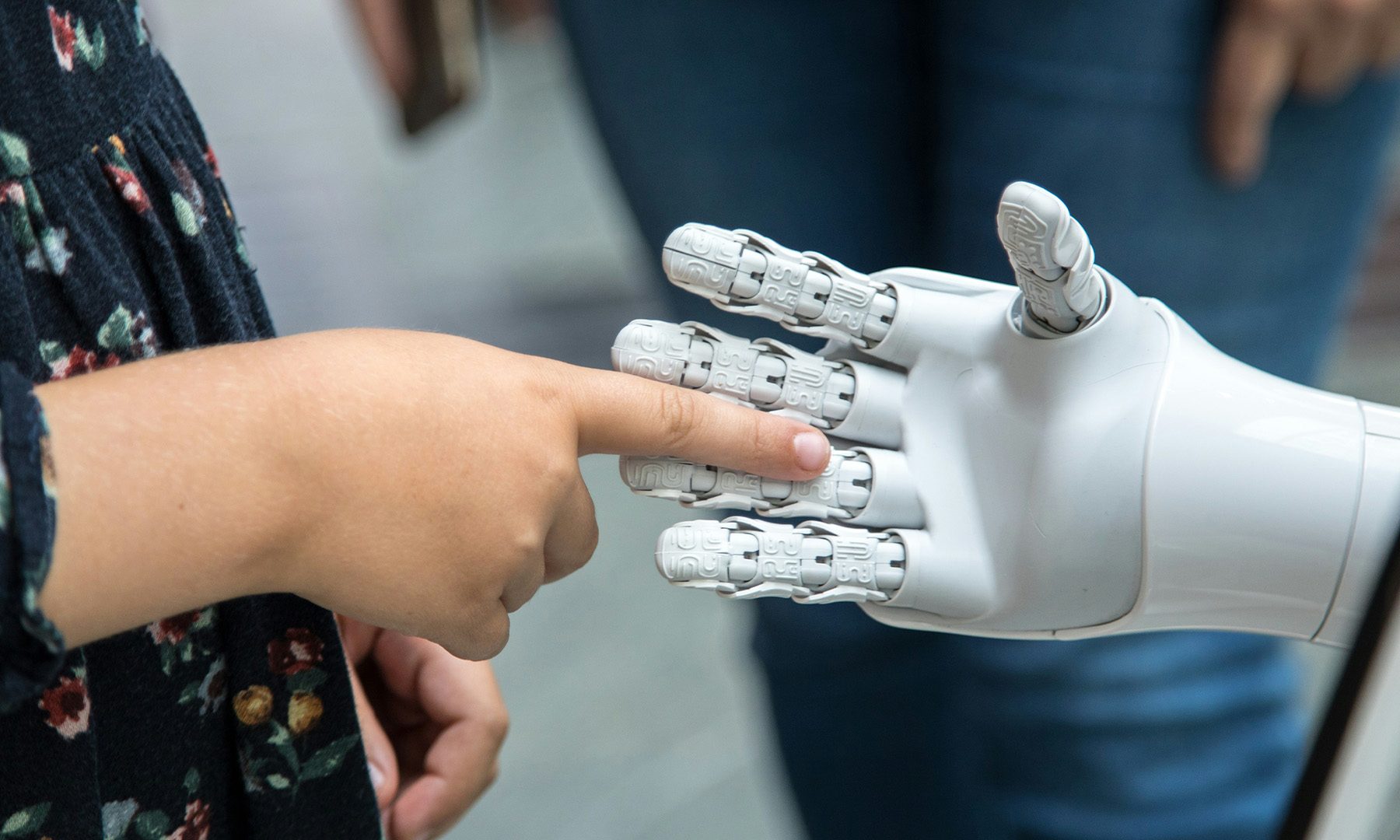
Robot Touch Human Finger

Samsung wants a place in the humanoid race, but its new robotics push begins with machines built for factories rather than homes.

The CEO-led RX robotics division will initially focus on manufacturing robots. Samsung has separately identified humanoids as a priority, although it hasn’t announced a commercial model or explained where one fits into the division’s immediate plans.

Read more
The future of AI may depend on this one behind-the-scenes change
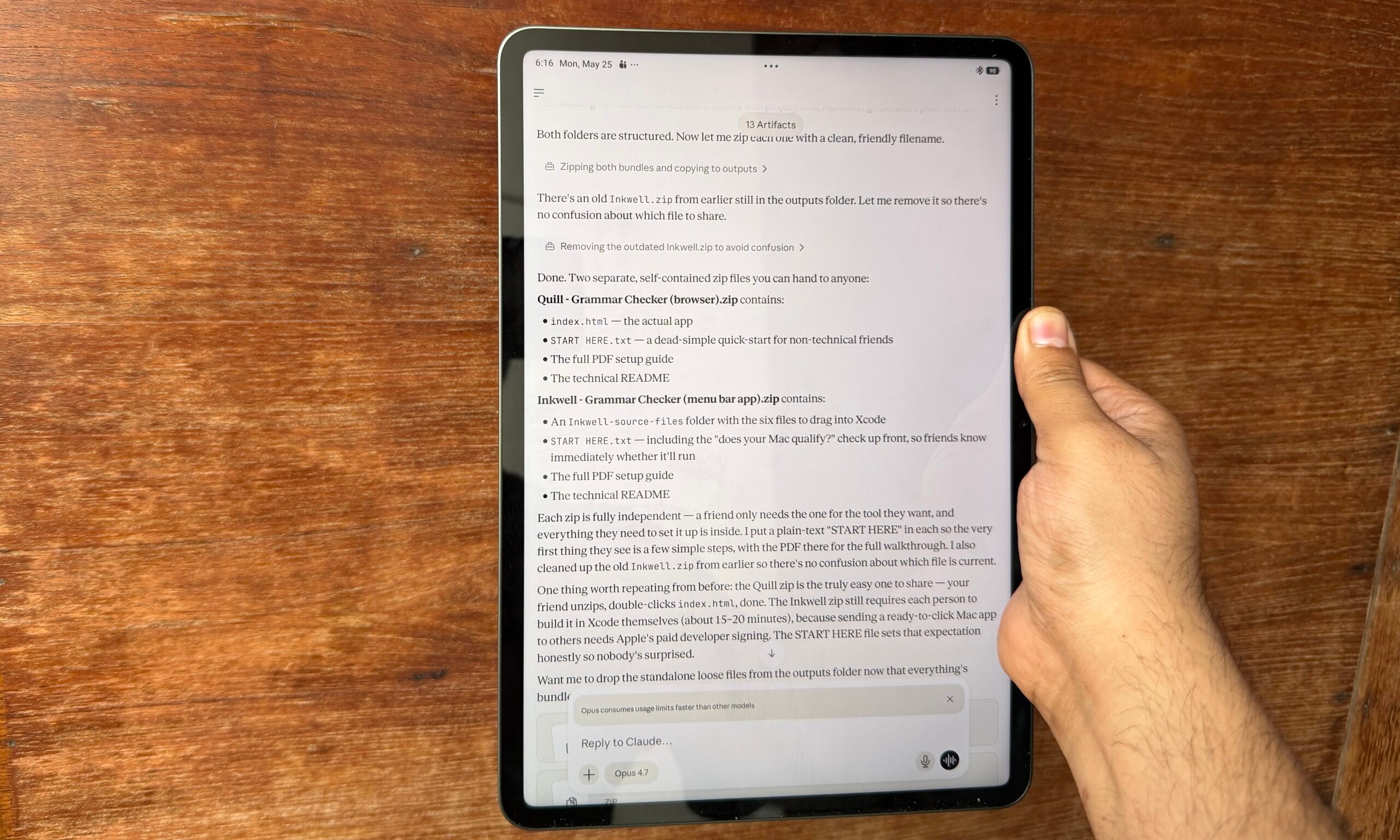
Running Claude on Android.

Whenever a new AI model arrives, it's easy to get caught up in the bells and whistles. We talk about how much smarter it is, how quickly it answers questions, or how realistic its images have become. But here's the thing: none of that matters much if the AI can't reliably work with the apps and services people use every day.

That's why an upcoming update to the Model Context Protocol (MCP) caught my attention. It isn't a new chatbot or a fancy AI model. In fact, most people will never even know it's happening. But it could quietly make the AI ecosystem a lot healthier. If you've never heard of MCP before, don't worry. Think of it as a shared language that lets AI assistants safely talk to apps like Gmail, Slack, calendars, databases, and countless other services. Instead of every company inventing its own way to make those connections, MCP gives everyone a common rulebook.

Read more