1. Home
  2. Emerging Tech
  3. Photo Galleries
  4. News

Cosmo is glowing piece of architecture that doubles as a water purifier

Add as a preferred source on Google

If you happen to be heading to New York this summer, you may want to check out Cosmo, the water-purifying “movable artifact” that’s on display at the Museum of Modern Art (MOMA).

Cosmo was created by Spanish architect Andrés Jaque as way of creating a hidden system of pipes, tanks, hoses, and plants that can filter and purify 3,000 gallons of water in just four days with naturally occurring anaerobic and aerobic digestion and nitrification and denitrification. As the used water travels through a variety of ecosystems, the Cosmo eliminates excess particles and nitrates in order to balance pH levels and increase the level of dissolved oxygen in the water. The H2O is also exposed to UV light, algae, algal turf scrubbers, and vegetal species for further filtration and purification.

And it lights up! The entire design is made of stretched plastic mesh that glows when the water is done purifying. “With Cosmo, the party is literally lit up every time the environment is being protected,” according to MOMA.

The United Nations predicts that by 2025 two-thirds of the world will lack sufficient water. Jaque aimed to combat the issue by designing not only a piece of functional artwork but one that moves and can be replicated for use in other countries.

The goal of his project was to provide clean drinking water, as well as bring people together through his piece of eye-candy.

Jaque was the winner of the Young Architects Program held by the Museum of Modern Art to foster design research and promote rising talents.

The display is only temporary, though. It will stick around at MOMA PS1 in New York until September 7, 2015. Watch Andrés Jaque’s video below (which has some NSFW nudity, believe it or not) and get a visual of the entire system.


Nicolette Emmino
Former Digital Trends Contributor
Nicolette is a technology writer, but wishes the days of paperback books and print newspapers were still thriving. She’s a…
Yet another study says AI is bad for elections, and the rabbit hole gets worse
AI may be an election bomb waiting for someone to light the fuse
Voters cast their ballots on Election Day

Another election, another study has concluded that asking an AI chatbot for political guidance is a spectacularly bad idea. Research conducted during Hungary’s 2026 parliamentary election found that ChatGPT and Google Gemini offered not just inaccurate but also inconsistent and unreliable voting advice. The chatbots misclassified voter profiles, overlooked relevant parties, recommended parties absent from the ballot, and sometimes produced materially different answers when given the same information repeatedly.

AI keeps failing the voter test

Read more
Samsung’s humanoid robot ambitions are real, but factories come first
Samsung’s new robotics division has humanoids in its sights, although its immediate business is far more practical factory automation
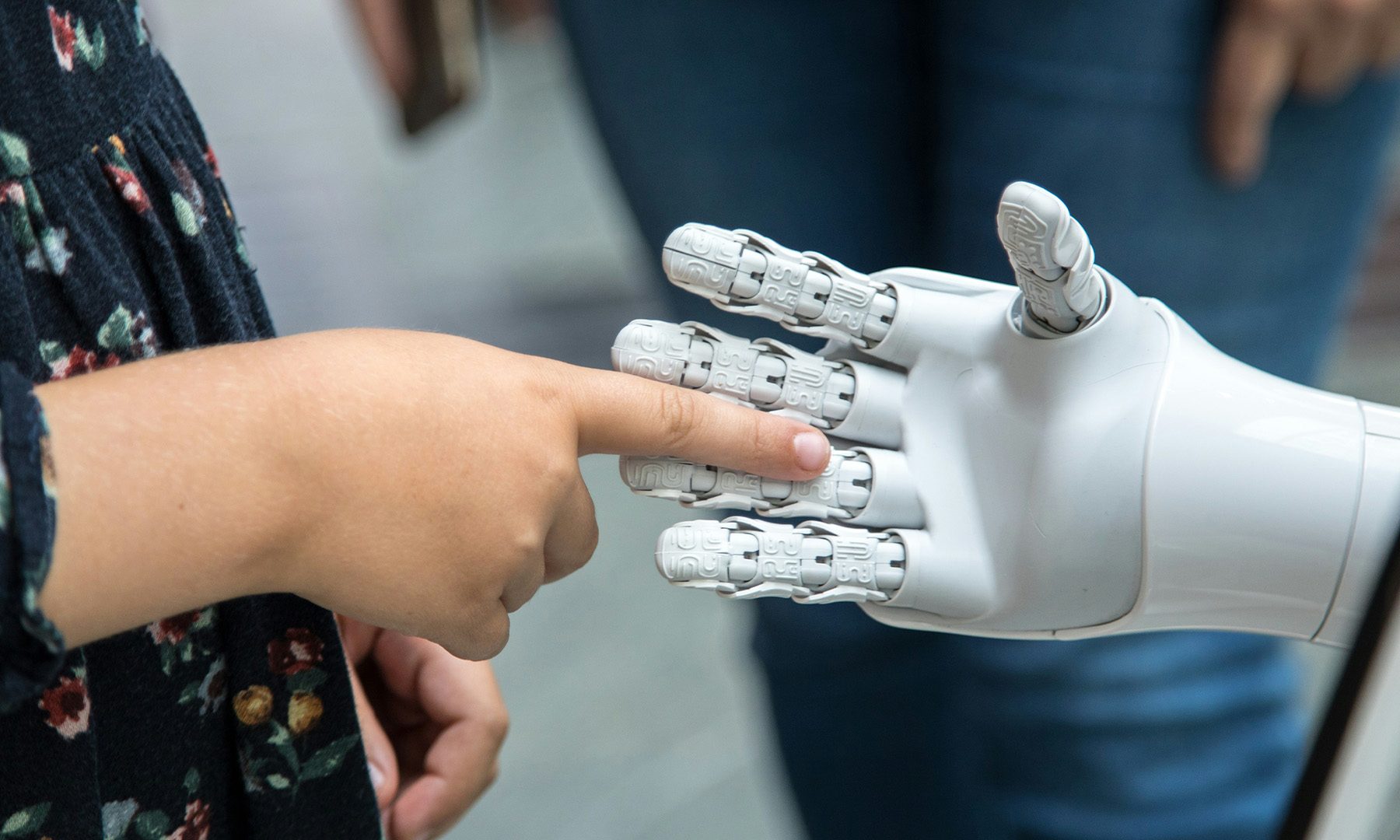
Robot Touch Human Finger

Samsung wants a place in the humanoid race, but its new robotics push begins with machines built for factories rather than homes.

The CEO-led RX robotics division will initially focus on manufacturing robots. Samsung has separately identified humanoids as a priority, although it hasn’t announced a commercial model or explained where one fits into the division’s immediate plans.

Read more
The future of AI may depend on this one behind-the-scenes change
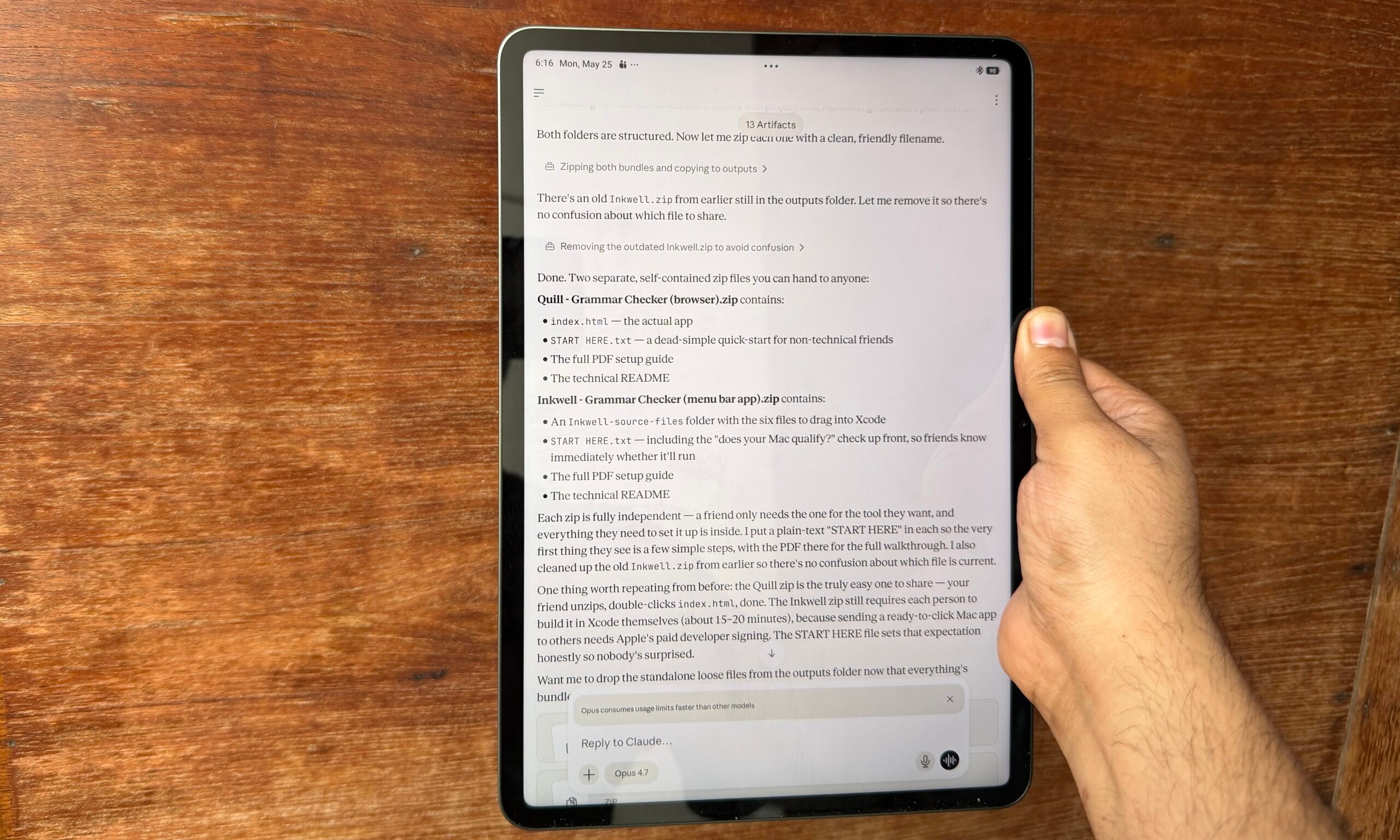
Running Claude on Android.

Whenever a new AI model arrives, it's easy to get caught up in the bells and whistles. We talk about how much smarter it is, how quickly it answers questions, or how realistic its images have become. But here's the thing: none of that matters much if the AI can't reliably work with the apps and services people use every day.

That's why an upcoming update to the Model Context Protocol (MCP) caught my attention. It isn't a new chatbot or a fancy AI model. In fact, most people will never even know it's happening. But it could quietly make the AI ecosystem a lot healthier. If you've never heard of MCP before, don't worry. Think of it as a shared language that lets AI assistants safely talk to apps like Gmail, Slack, calendars, databases, and countless other services. Instead of every company inventing its own way to make those connections, MCP gives everyone a common rulebook.

Read more