1. Home
  2. Emerging Tech
  3. News

There’s a vegetable garden off the coast of Italy, and it’s growing under the sea

Add as a preferred source on Google

A few years ago, Italian farmer Luca Gamberini began pondering what it would take to grow perfect garden vegetables. He already knew that plants need constant temperatures, as well as water, light, and protection from harmful external elements. But since it can be difficult to recreate these conditions outdoors all year long, or even at all, Gamberini needed an alternative that could provide a more stable growing environment.

His solution? Underwater greenhouses.

Recommended Videos

It sounds odd at first, but submerged growhouses offer near-perfect growing conditions For starters, there’s definitely enough H20 for plant vitality, but there’s also a consistent, stable temperature; and light from the sun penetrates the ocean’s surface to provide a steady light source. On top of that, because the garden is underwater, plant life is protected from parasites and other terrestrial dangers.

So, Gamberini and his father decided to try it out. Now they’re growing all kinds of plants, including strawberries and basil, under the sea, in a garden they call Nemo’s Garden.

How exactly are they doing this? They’re planting seeds in a biosphere –an air-filled bubble enclosure– and sending them straight under the water. The father-son duo is tracking changes in oxygen and carbon dioxide levels in real-time with live streaming capabilities. (Live streaming of Nemo’s Garden is available to anyone who wants to check it out.)

Here’s the thing – it’s not just a concept. The Gamberinis have been growing underwater crops successfully for a few years now, and have started their own organization called the Ocean Reef Group. What started off as a family-run scuba gear business is now turning into an underwater produce farm.

Right now, Ocean Reef Group has five underwater biospheres in action. Some of the plants they’re growing include basil, beans and strawberries. Next up on the list is mushroom harvesting.

Eventually, the family-run company hopes that its new farming methods will be able to reduce damage to the environment, and in the future, even help underdeveloped countries grow crops, Gamberini told the Washington Post.


Nicolette Emmino
Former Digital Trends Contributor
Nicolette is a technology writer, but wishes the days of paperback books and print newspapers were still thriving. She’s a…
Yet another study says AI is bad for elections, and the rabbit hole gets worse
AI may be an election bomb waiting for someone to light the fuse
Voters cast their ballots on Election Day

Another election, another study has concluded that asking an AI chatbot for political guidance is a spectacularly bad idea. Research conducted during Hungary’s 2026 parliamentary election found that ChatGPT and Google Gemini offered not just inaccurate but also inconsistent and unreliable voting advice. The chatbots misclassified voter profiles, overlooked relevant parties, recommended parties absent from the ballot, and sometimes produced materially different answers when given the same information repeatedly.

AI keeps failing the voter test

Read more
Samsung’s humanoid robot ambitions are real, but factories come first
Samsung’s new robotics division has humanoids in its sights, although its immediate business is far more practical factory automation
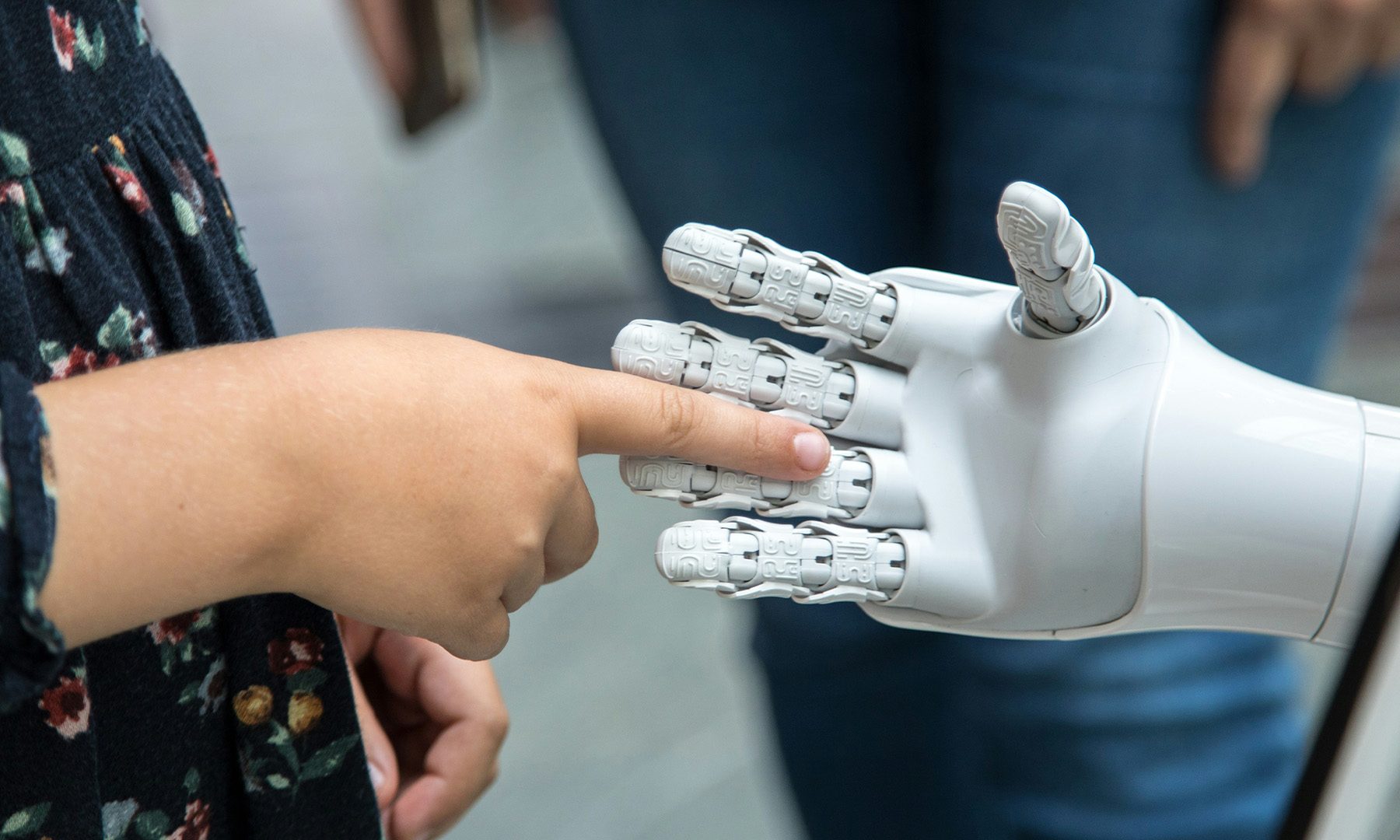
Robot Touch Human Finger

Samsung wants a place in the humanoid race, but its new robotics push begins with machines built for factories rather than homes.

The CEO-led RX robotics division will initially focus on manufacturing robots. Samsung has separately identified humanoids as a priority, although it hasn’t announced a commercial model or explained where one fits into the division’s immediate plans.

Read more
The future of AI may depend on this one behind-the-scenes change
Running Claude on Android.

Whenever a new AI model arrives, it's easy to get caught up in the bells and whistles. We talk about how much smarter it is, how quickly it answers questions, or how realistic its images have become. But here's the thing: none of that matters much if the AI can't reliably work with the apps and services people use every day.

That's why an upcoming update to the Model Context Protocol (MCP) caught my attention. It isn't a new chatbot or a fancy AI model. In fact, most people will never even know it's happening. But it could quietly make the AI ecosystem a lot healthier. If you've never heard of MCP before, don't worry. Think of it as a shared language that lets AI assistants safely talk to apps like Gmail, Slack, calendars, databases, and countless other services. Instead of every company inventing its own way to make those connections, MCP gives everyone a common rulebook.

Read more