1. Home
  2. Computing
  3. Emerging Tech
  4. News

Researchers can tell if you’re well dressed – with math

Add as a preferred source on Google

Fashion trends can be difficult to predict — one minute something’s hot, the next it’s not at all. However, a team of researchers from IRI in Barcelona and the University of Toronto have built a mathematical model that will help us understand how something becomes fashionable.

The algorithm was presented as part of a paper entitled “Neuroaesthetics in Fashion: Modeling the Perception of Fashionability” at a conference held in Boston last month, according to a report from Science Daily. Edgar Simo-Serra and Francesc Moreno-Noguer from IRI teamed with Sanja Fidler and Raquel Urtasun from the University of Toronto to make the project a reality.

Recommended Videos

The model was built using a dataset of fashion-themed posts found on the Internet. Images of fashionable clothing and the captions they were given were cross-referenced against the social media response to each entry. Individual garments were judged as fashionable or not fashionable based on the amount of likes they received on social media.

Basically, the method boils down to posting a picture of an outfit on Facebook and seeing whether people love it or hate it — which is, in of itself, a decent summation of how fashion works. However, the project can claim some authority on what to wear thanks to the scale of the sample being used, with data from over 144,000 posts being taken into consideration.

The intention is that the system will be able to advise users on fashion choices thanks to the data it has accumulated. What remains to be seen is whether anyone will subject themselves to having a computer give them tips on how to dress in the morning. If the idea of fashion can really be boiled down to a statistical algorithm, wouldn’t we all end up wearing the exact same outfit?

Brad Jones
Brad is an English-born writer currently splitting his time between Edinburgh and Pennsylvania. You can find him on Twitter…
ChatGPT will now remind teens to take breaks and give parents more controls
New parental controls include Quiet Hours, Study Mode defaults, and alerts for serious account violations.
chatgpt-teen-safety-features

OpenAI wants to make ChatGPT safer for teens, and the changes go well beyond a simple content filter. In a new update, the company laid out its stance on why teens should have access to AI in the first place, arguing that keeping them away from it entirely would leave them unprepared for one of the defining technologies of their generation.

Nearly 90% of teens already use ChatGPT weekly for learning, research, or getting organized, which is why OpenAI says access needs to come paired with real protections built for their age.

Read more
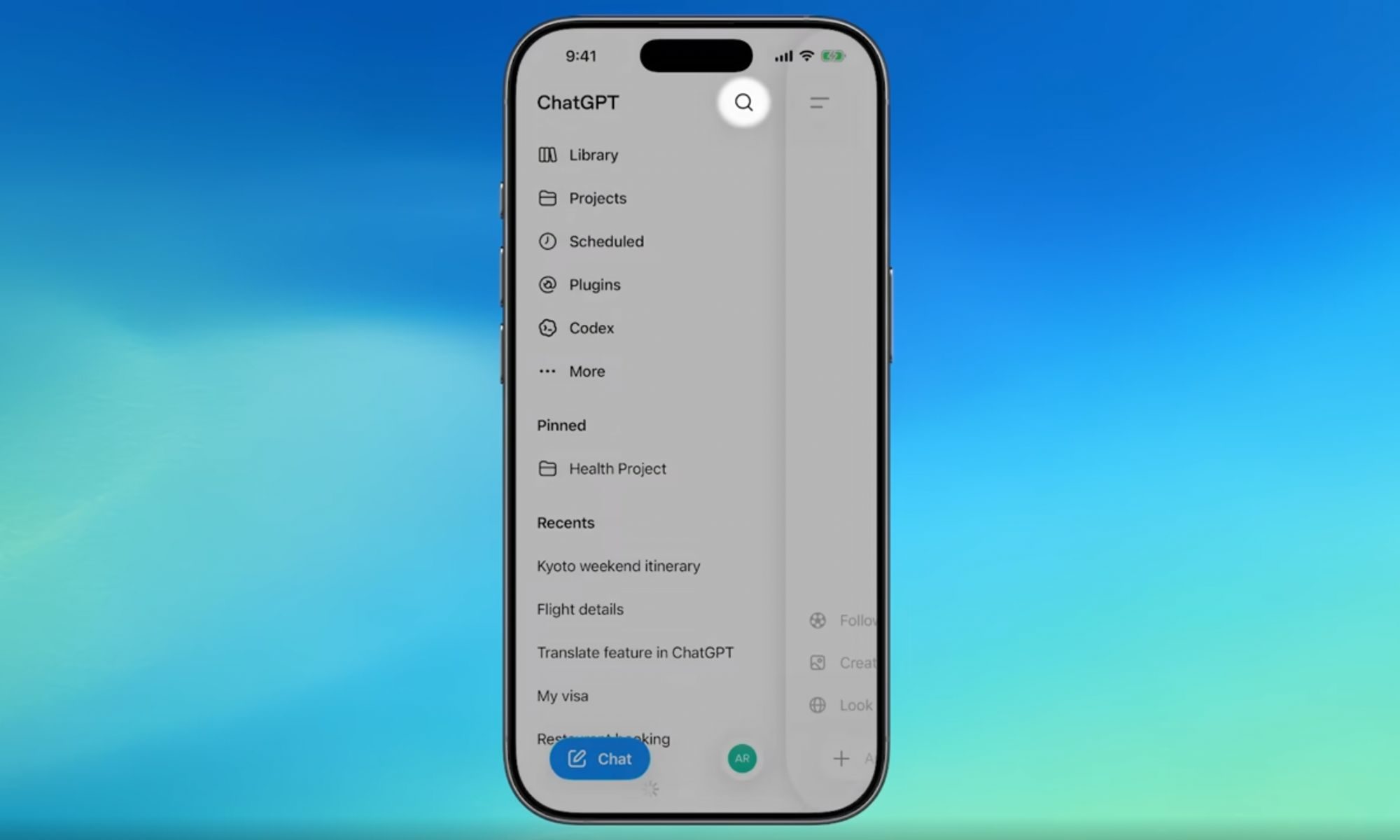
ChatGPT’s new search tool saves you from digging through old chats, files, and images
You can also filter ChatGPT search results by content type.
chatgpt-new-search

If you have ever lost a great ChatGPT answer somewhere in your endless chat history, that headache is finally over. OpenAI has rolled out a major search upgrade that lets you find old chats, projects, documents, and images all from one place.

Before this update, the sidebar search only pulled up past conversations, leaving uploaded files, projects, and generated images completely out of reach. The new search option is now available across web, iOS, and Android, on every ChatGPT plan, including free accounts.

Read more
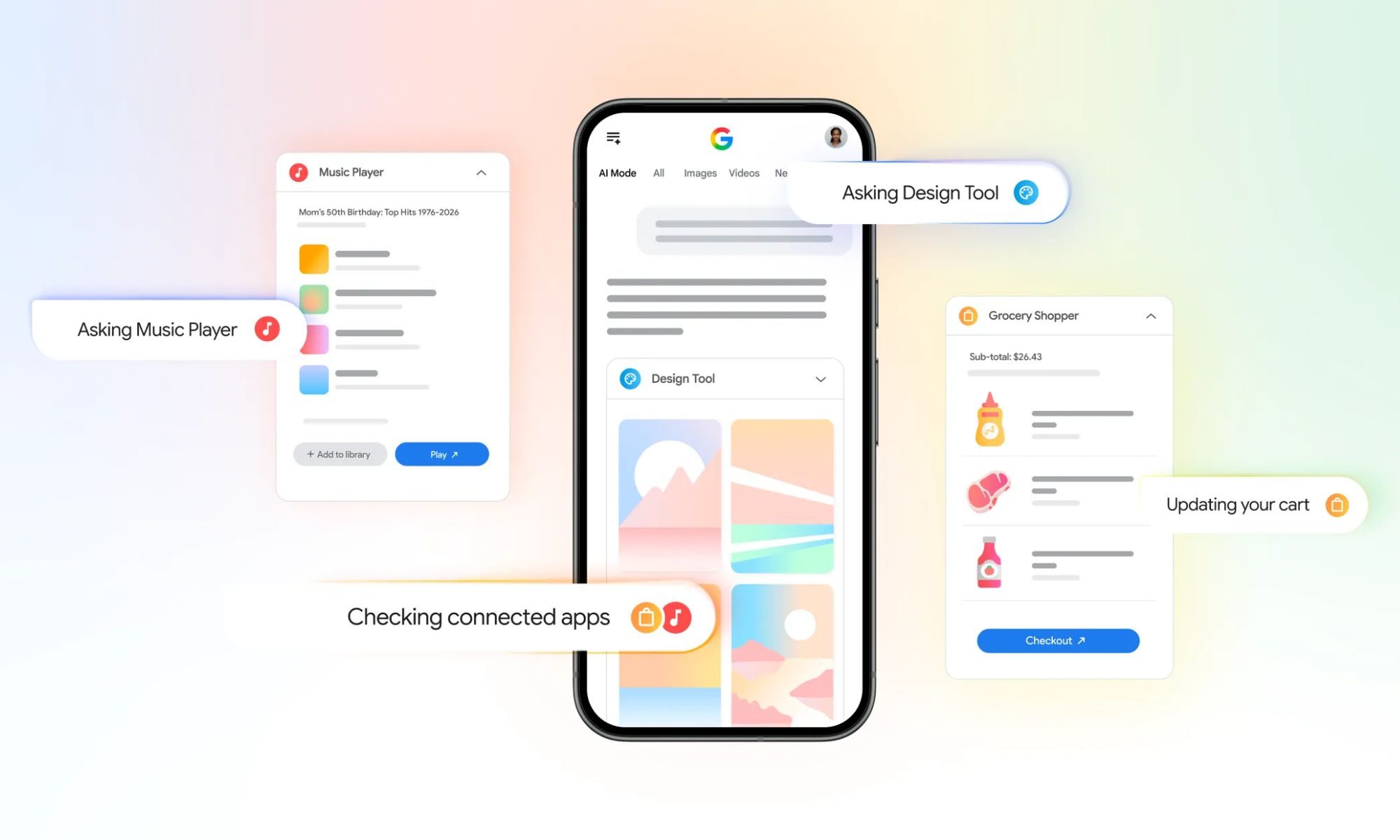
You can now link your favorite apps to AI Mode in Google Search to get things done
AI Mode now works with Instacart, Canva, and YouTube Music inside Search.
google-search-ai-mode-connect-apps

Google is making AI Mode in Search more useful by letting you connect third-party apps. Starting this week in the US, you can securely connect some of your go-to apps directly to AI Mode, letting Search actually complete tasks for you instead of just answering questions.

This update builds on a similar trick Google already pulled off inside the Gemini app, and now it is landing in Search itself. The initial rollout includes three launch partners, Instacart, Canva, and YouTube Music, with Google saying more app integrations are on the way.

Read more