  1. Home
  2. Phones
  3. Mobile
  4. News

Revised Snapdragon 810 chip may mean its days of getting hot and bothered are over

Add as a preferred source on Google

The Qualcomm Snapdragon 810 processor has long been associated with overheating issues, charting right back to before the LG G Flex 2 — the first device in which it was available — was introduced. However, those problematic times may now be at an end, due to a revised version of the chip apparently being used in most new phones.

Referred to as the Snapdragon 810 v2.1, the revision first gained attention after OnePlus announced it would be using it inside the OnePlus 2 smartphone. The company said it had worked closely with Qualcomm to integrate v2.1 into the device, and tests had shown it “met the industry standard for phone temperature, even with hours of use.”

Recommended Videos

Good news for the OnePlus 2, but what about all the other phones being announced and already on sale with the Snapdragon 810 inside? HTC’s Global Online Communications Manager Jeff Gordon tweeted out an interesting message on the subject, that may help prospective phone buyers forget fears of a holding a burning hot device to their face.

For reference, the v2.0 was the chip first released to manufacturers, and not an already updated model that still suffered from heat problems. Gordon goes on to say the HTC One M9 uses the Snapdragon 810 v2.1 chip, despite being released several months ago, alleviating concerns the chip wouldn’t be in circulation before the OnePlus 2 is announced later this month.

Also, a report by Anandtech from June identified the v2.1 chip is also used in Xiaomi’s Mi Note Pro, but does also state the early One M9 it tested had an 810 v2.0 inside, suggesting HTC changed from one version to the other at some point. After extensive testing, various improvements were seen by the Anandtech team in v2.1, including some to thermal management.

Qualcomm claimed the Snapdragon 810 didn’t suffer from overheating problems, so it’s therefore not surprising it hasn’t made a big deal over v2.1’s introduction. Experience such as the one we had with the Sony Xperia Z3+ tell us otherwise, though. The news of a cooler-running 810 bodes well for new hardware such as the ZTE produced Axon, and the OnePlus 2.

Andy Boxall
Andy has written about mobile technology for almost a decade. From 2G to 5G and smartphone to smartwatch, Andy knows tech.
Latest Pixel 11 series leak offers the clearest look yet at Google’s next flagship
Google's next Pixel has leaked again, but this time almost nothing is left to imagine
Pixel 11

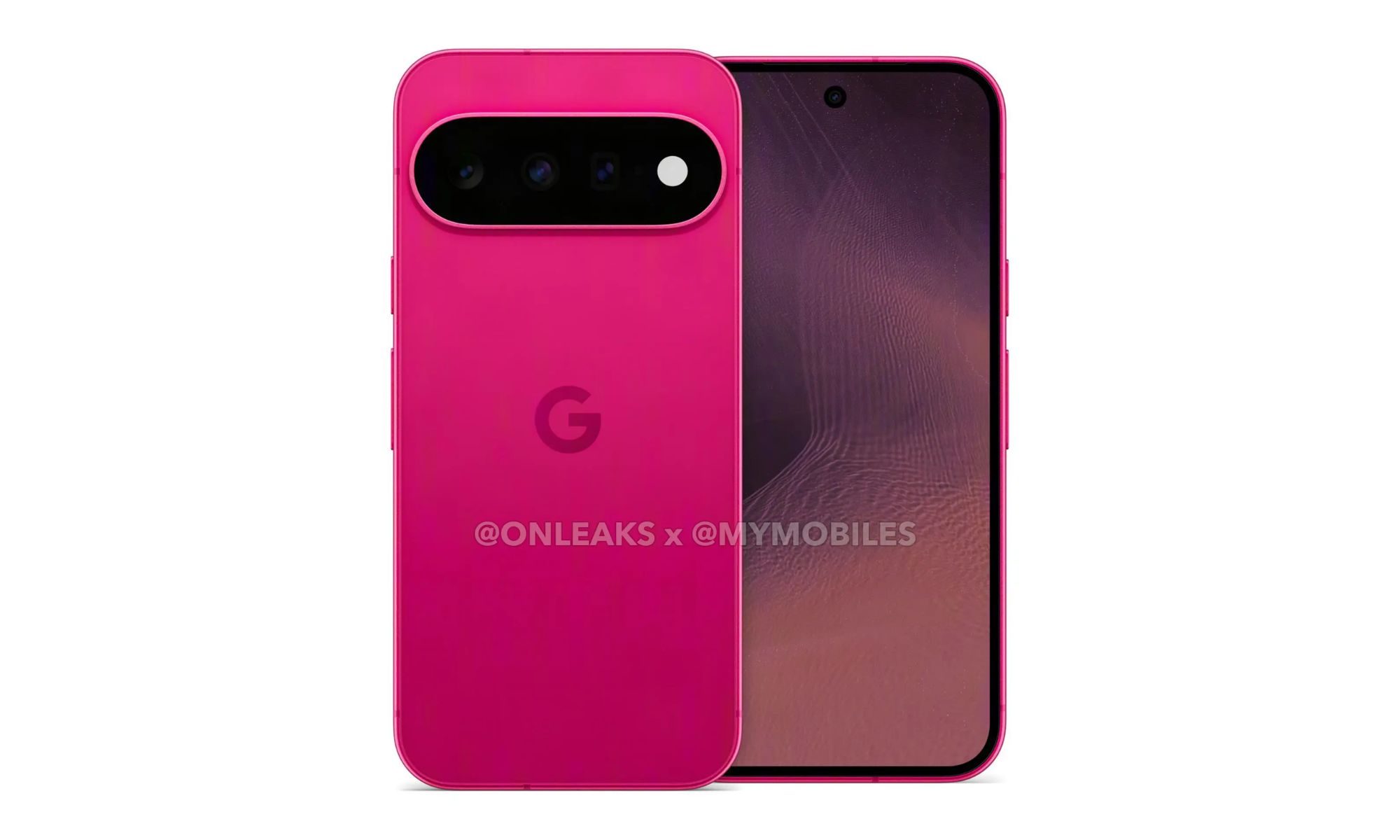
Google's Pixel launches have become increasingly difficult to keep under wraps, and the Pixel 11 series appears to be no exception. Weeks before Google's scheduled August 12 launch event, a fresh leak has revealed what is claimed to be the complete set of official press renders for the Pixel 11, Pixel 11 Pro and Pixel 11 Pro XL, showcasing every colour option across the lineup.

The renders, published by MyMobiles in collaboration with tipster OnLeaks, offer what is arguably the most comprehensive look yet at Google's next flagship family. If authentic, they not only confirm earlier design leaks but also reveal Google's colour strategy for 2026, including a vibrant Fuchsia finish for the standard model and a new copper-inspired "Dune" variant for the Pro series.

Read more
Galaxy Z Flip 8 vs. Motorola Razr Ultra (2026): Samsung’s flip phone is cheaper, but is it better?
One flip phone wins on value. The other wins on hardware.
Electronics, Phone, Mobile Phone

Flip phones have quietly become one of the most competitive corners of the smartphone market. It provides buyers with a satisfying folding snap, reducing the footprint to half the original size, and that’s the entire point. Motorola never really left the format after reviving the Razr name, while Samsung has spent generations treating the Flip line as its scrappy, budget-friendlier sibling to the Fold. 

This year, though, the gap between the two camps has narrowed to the point where picking a winner requires genuinely reading the spec sheet and learning about the phones before putting your money into one. One phone leans hard into raw display firepower, while the other leans into a deeper software ecosystem and a friendlier price tag. 

Read more
Samsung finally switched to silicon-carbon battery on Galaxy Z Fold 8. What’s so special about it?
One of Galaxy Z Fold 8’s biggest upgrade is hiding inside
Galaxy Z Fold 8 Ultra with Fold 8

Samsung has finally joined the silicon-carbon battery race with its latest batch of premium foldables packing the new battery tech. But details for this change were rather hard to spot on the spec sheets. The company has confirmed during media briefings that the Galaxy Z Fold 8 Ultra, Galaxy Z Fold 8, and Galaxy Z Flip 8 all use silicon-carbon batteries.

Even then, the resulting capacities are hardly record-breaking. The Fold 8 Ultra carries a 5,000mAh battery, the regular Fold 8 gets 4,800mAh, and the Flip 8 has 4,300mAh. Rivals from Honor and Motorola have already crossed the 6,000mAh mark. But the figures only tell part of the story.

Read more