1. Home
  2. Computing
  3. News

New QLC flash memory from Toshiba could push SSD capacity as high as 128TB

Add as a preferred source on Google

The solid state drive news continues to come fast and furious from this year’s Flash Memory Summit, where the world’s leading flash memory manufacturers are unveiling the latest technology. One tech innovation that’s not gaining much attention, but that could greatly increase data densities, is Toshiba’s Quadruple Level Cell.

Many of today’s solid state drives use a type of flash called Triple Level Cell (TLC) or, interchangeably, 3-bit Multi-level Cell (3-bit MLC). This kind of flash can store 3 bits of data per cell. As the name implies, Toshiba’s technology boosts that to 4 bits per cell.

Recommended Videos

That permits every memory cell in a QLC drive to store more data, resulting in higher data densities. Toshiba believes that QLC and other technologies will drastically increase SSD drive size in the near future, resulting in capacities of up to 128TB by 2018.

The announcement of QLC seems to have come as a bit of a surprise, largely because it’s extremely complex. In order to make this possible, Toshiba had to find a way to handle 16 narrow voltage ranges that represent data stored by the drive, and that doesn’t leave much room for variation or error.

While QLC may enable extremely high data densities, it does appear to have notable disadvantages. Drive endurance is lower than other forms of flash memory, as the sensitive cells wear out more quickly, and performance is not expected to be on par with current SSDs. As a result, Toshiba is positioning the technology as a solution for archival storage – big, affordable drives that aren’t often used.

Whatever their use, the drives won’t be coming to stores anytime soon. Toshiba’s current roadmap suggests they’ll come out sometime late in 2016. As you might imagine, given the timeframe, pricing is also unavailable.

Matthew S. Smith
Matthew S. Smith is the former Lead Editor, Reviews at Digital Trends. He previously guided the Products Team, which dives…
South Korea wants to give every citizen free, unlimited access to its own AI chatbot
The government-backed service could turn generative AI into public infrastructure instead of another monthly subscription
Electronics, Mobile Phone, Phone

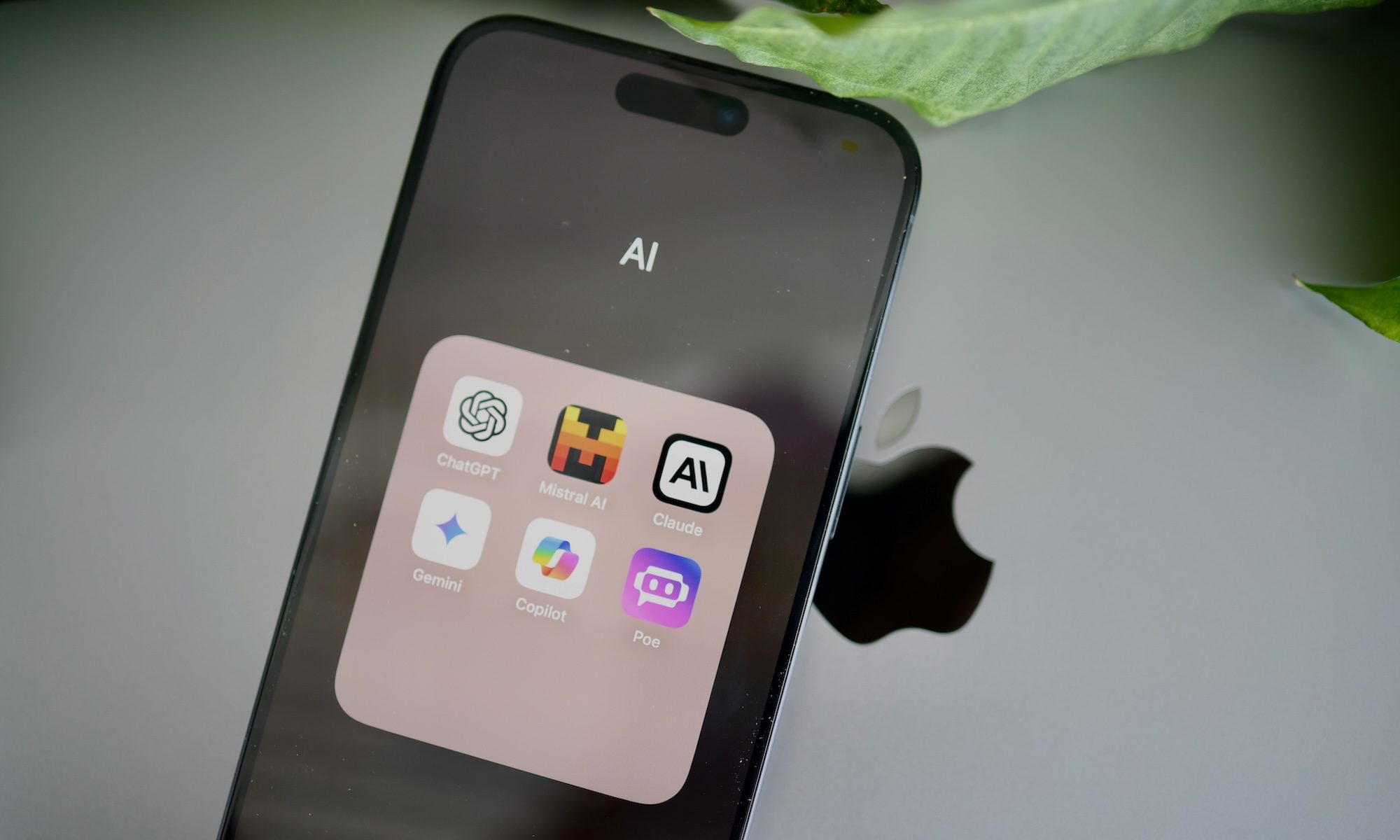
South Korea wants to give every citizen free access to an AI chatbot with no usage limits. That puts the technology closer to a public utility than another premium service demanding a monthly subscription.

The Ministry of Science and ICT announced the AI for Everyone project on July 13. Private companies will build the platform around locally developed models, while a separate AI agent will help people navigate government services. It’s a more practical job than generating emails or settling arguments nobody wanted to research themselves.

Read more
Falling in love with a chatbot is now off limits for kids in China
The crackdown targets emotional AI relationships as regulators worry about the country's record low birthrate.
Replika AI companion app on an iPhone in hand

Ever since AI chatbots arrived on the scene, there has been one aspect that has worried lawmakers and experts a lot: humans forming emotional connections with chatbots. There have been plenty of cases where over-reliance on these AI companions or partners has resulted in medical emergencies, lost lives, and triggered multiple lawsuits against the likes of OpenAI and Meta.

China cracks down on AI companion apps

Read more
Russian hackers keep finding their way into critical networks through neglected routers
A multinational warning says outdated firmware, weak passwords, and insecure settings are giving state-backed attackers an easy opening
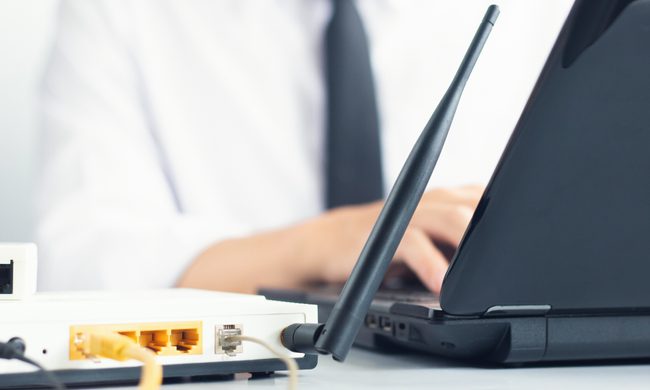
A Wi-Fi router next to a laptop.

Russian state-backed hackers have spent more than a decade exploiting a stubborn weakness in critical infrastructure networks. Organizations are still leaving poorly configured and outdated routers exposed to the internet.

In a joint cybersecurity advisory, the NSA, CISA, FBI, and international partners warn that hackers linked to Center 16 of Russia’s Federal Security Service are continuing to target vulnerable networking equipment. Energy, healthcare, and government networks are among the sectors facing the highest risk.

Read more