1. Home
  2. Emerging Tech
  3. News

Elon Musk’s answer to making Mars more like Earth? Just nuke it

Add as a preferred source on Google

It hasn’t even been a week since Stephen Colbert started hosting CBS’ The Late Show, and already, he’s getting his guests to make some pretty spectacular claims. Oprah may have watched Tom Cruise jump on a couch, but Colbert got Elon Musk to advance a decidedly gasp-worthy theory about how best to make Mars a more hospitable environment for human life. “The fast way is to drop nuclear weapons over the poles,” the Tesla, SpaceX, and PayPal founder told Colbert. To which the host responded, “You’re a supervillain!”

Or Ironman, but you know, same difference.

Elon Musk Might Be A Super Villain

Describing Mars as “a fixer upper of a planet,” Musk noted that the main problem with our red neighbor is that it’s too cold for inhabitation. But, he noted, it can be made to more closely resemble Earth if we just warm it up. “There’s the fast way and the slow way,” Musk said, with the slow way being the gradual release of greenhouse gasses, which are famous on Earth for causing global warming and climate change.

Recommended Videos

But the flashier, more exciting way (and let’s face it, the more Elon Musk way), is to drop nuclear bombs on the planet, because nothing screams warmth like thermonuclear weapons. Unfortunately, Musk didn’t get to elaborate much further on how exactly this plan would pan out, but it’s certainly a novel idea. And considering that his last few SpaceX rocket landings have resulted in explosions of their own, maybe Musk can jumpstart this warming process by sending his spacecraft to Mars.

Of course, the viability of such a plan is probably a bit more questionable than say, bringing frozen methane to Mars from neighboring planets or moons, or better yet, bringing cyanobacteria and algae that are capable of producing oxygen to the Red Planet. But then again, many of Musk’s ideas have seemed outlandish at first blush, and he’s only ever proved the haters wrong.

So keep this Late Show prediction in the back of your minds, folks. We may just be exploding nukes on Mars someday. Better there than here.

Lulu Chang
Fascinated by the effects of technology on human interaction, Lulu believes that if her parents can use your new app…
Yet another study says AI is bad for elections, and the rabbit hole gets worse
AI may be an election bomb waiting for someone to light the fuse
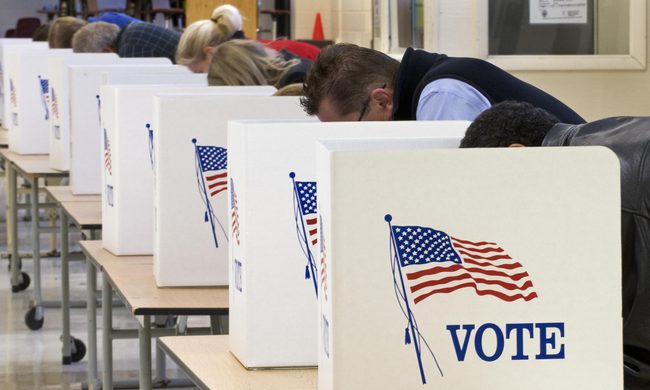
Voters cast their ballots on Election Day

Another election, another study has concluded that asking an AI chatbot for political guidance is a spectacularly bad idea. Research conducted during Hungary’s 2026 parliamentary election found that ChatGPT and Google Gemini offered not just inaccurate but also inconsistent and unreliable voting advice. The chatbots misclassified voter profiles, overlooked relevant parties, recommended parties absent from the ballot, and sometimes produced materially different answers when given the same information repeatedly.

AI keeps failing the voter test

Read more
Samsung’s humanoid robot ambitions are real, but factories come first
Samsung’s new robotics division has humanoids in its sights, although its immediate business is far more practical factory automation
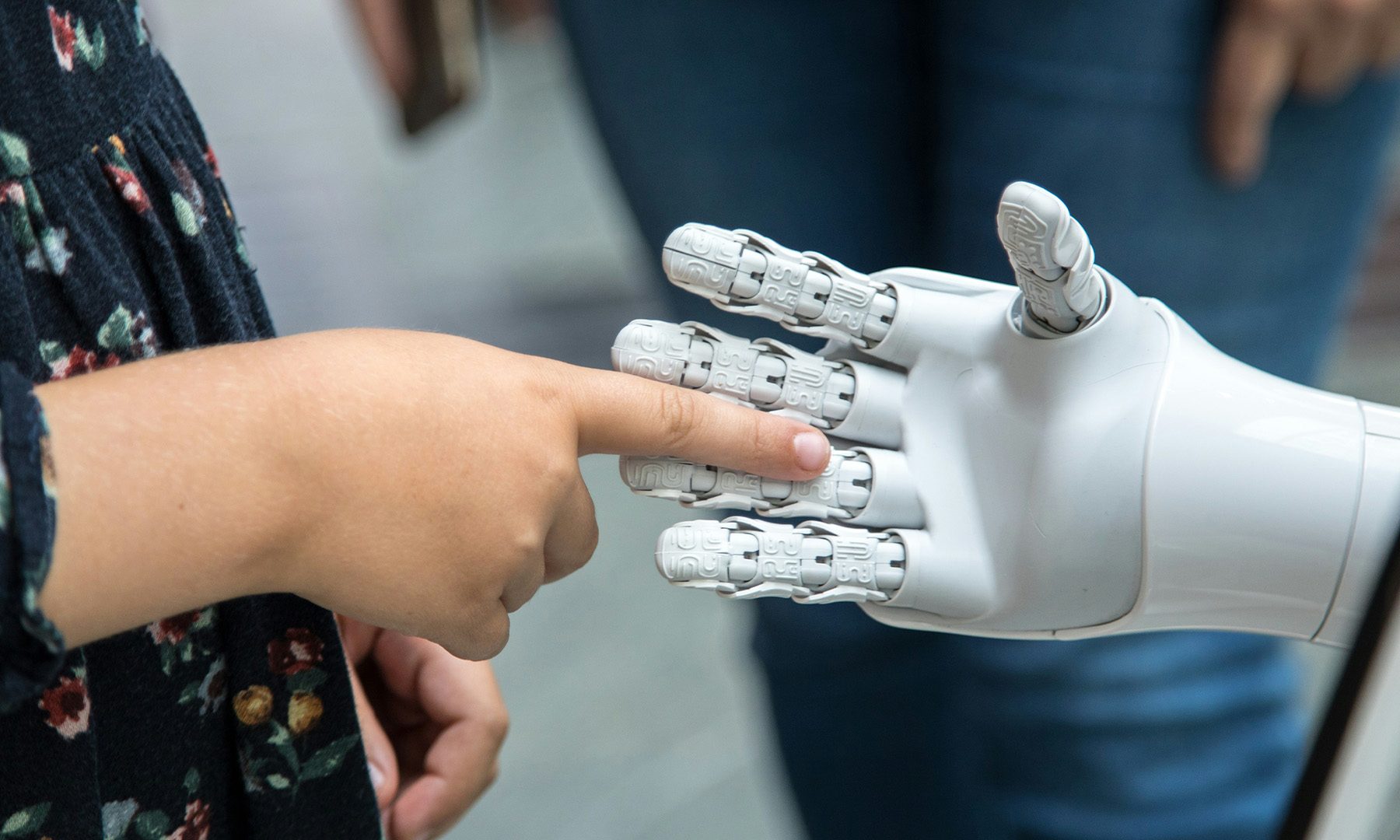
Robot Touch Human Finger

Samsung wants a place in the humanoid race, but its new robotics push begins with machines built for factories rather than homes.

The CEO-led RX robotics division will initially focus on manufacturing robots. Samsung has separately identified humanoids as a priority, although it hasn’t announced a commercial model or explained where one fits into the division’s immediate plans.

Read more
The future of AI may depend on this one behind-the-scenes change
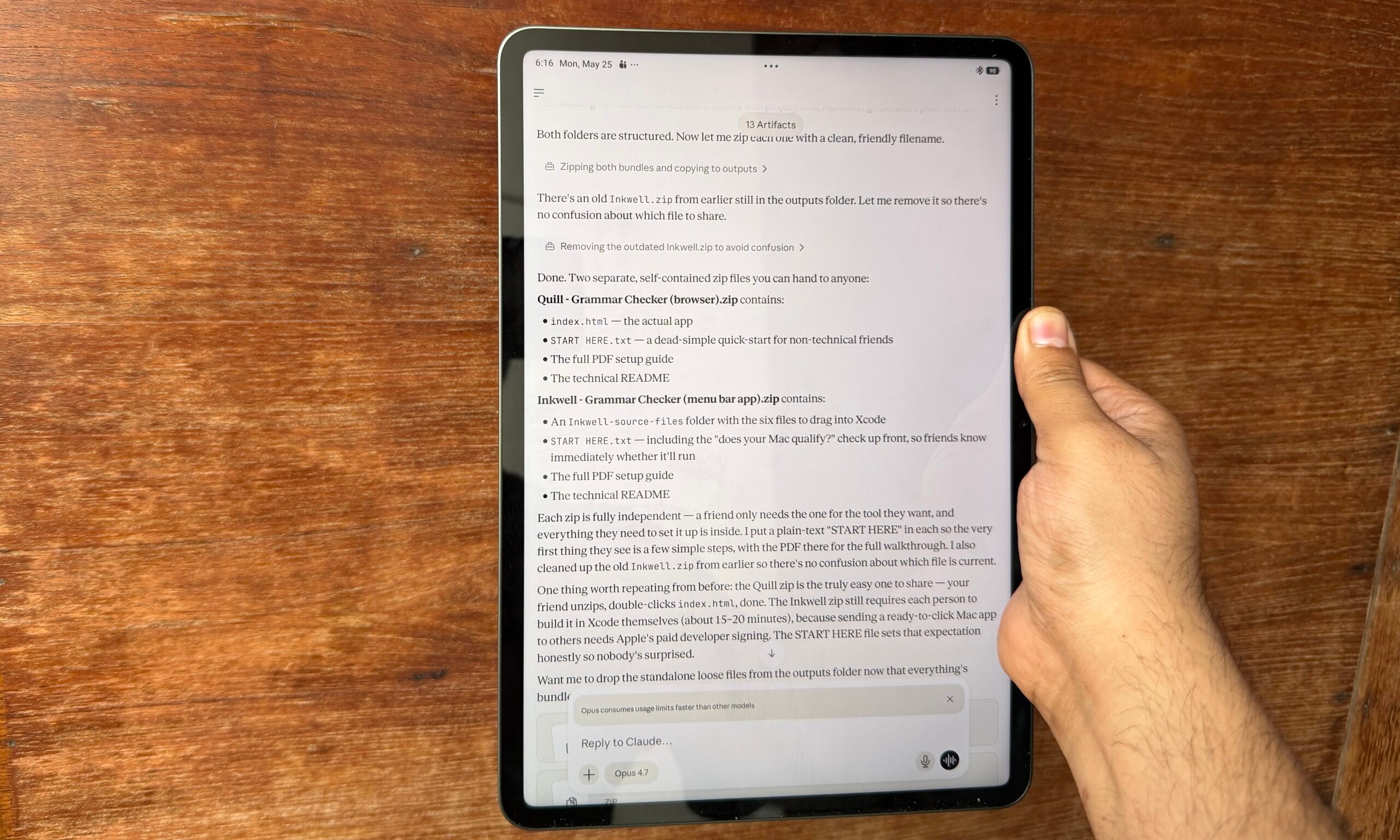
Running Claude on Android.

Whenever a new AI model arrives, it's easy to get caught up in the bells and whistles. We talk about how much smarter it is, how quickly it answers questions, or how realistic its images have become. But here's the thing: none of that matters much if the AI can't reliably work with the apps and services people use every day.

That's why an upcoming update to the Model Context Protocol (MCP) caught my attention. It isn't a new chatbot or a fancy AI model. In fact, most people will never even know it's happening. But it could quietly make the AI ecosystem a lot healthier. If you've never heard of MCP before, don't worry. Think of it as a shared language that lets AI assistants safely talk to apps like Gmail, Slack, calendars, databases, and countless other services. Instead of every company inventing its own way to make those connections, MCP gives everyone a common rulebook.

Read more