1. Home
  2. Cars
  3. News

Kia will expand the Optima lineup with a station wagon and a plug-in hybrid model

Add as a preferred source on Google

Speaking during the Frankfurt Motor Show, Kia has announced plans to expand the Optima lineup with a station wagon and a plug-in hybrid model. The new variants are largely designed to help the South Korean automaker grab a bigger slice of the new car market in Europe.

The station wagon is expected to borrow more than a handful of styling cues from the Sportspace concept (pictured) that was presented earlier this year at the Geneva Motor Show. That means it will look strikingly similar to the Optima from the tip of the front bumper to the B-pillar. Beyond that, it will gain a longer roof line, a rakish, almost shooting brake-like D-pillar, and sharp horizontal tail lamps.

Recommended Videos

Mechanically, the wagon will be all but identical to its sedan counterpart, meaning it will be available with gasoline- and diesel-burning four-cylinder engines pulled straight from the Kia parts bin. On the Old Continent, the range-topping, GT-badged wagon will benefit from a turbocharged 2.0-liter four-banger tuned to make 241 horsepower at 6,000 rpm and 260 pound-feet of torque from 1,350 to 4,000 rpm.

The turbo four sends the sedan from zero to 62 mph in 7.4 seconds, and on to a top speed of 150 mph. The wagon will be a little bit slower because it will inevitably be heavier.

On the other end of the spectrum, the plug-in hybrid model will put more of an emphasis on efficiency than on sportiness. Technical details are still few and far between, but Kia has hinted that the plug-in Optima will be able to drive on electricity alone for short distances.

It goes without saying that the Optima wagon will not be sold on our shores, where the station wagon market has been steadily shrinking for nearly a quarter of a century. However, the plug-in hybrid will most likely be added to Kia’s North American lineup in the coming year.

Ronan Glon
Ronan Glon is an American automotive and tech journalist based in southern France. As a long-time contributor to Digital…
Polestar forced to exit the US market. It’s a shame we won’t see its refined design anymore
Boring EVs caught a break as Americans lose Polestar
polestar-3-ev

Polestar, the Swedish EV brand controlled by China’s Geely, has been denied authorization under the US Connected Vehicle Rule. As a result, it will not be able to sell vehicles in the US from the 2027 model year onward. The company is not disappearing from American roads overnight. Polestar says it will continue selling existing US inventory of the Polestar 3 and Polestar 4, and current owners will still have access to service support. But for future models, the door is effectively closing unless something changes.

Polestar 3

Read more
The Wild West era of robotaxis is starting to end
New global rules could replace patchwork regulation with stricter safety proof for driverless fleets.
Self driving car from Waymo

Robotaxi rules have entered their first global phase. A UN vehicle standards forum has adopted the first international framework for fully autonomous vehicles, giving driverless fleets a common safety baseline across major markets.

The move lands while robotaxis are expanding from test programs into a bigger commercial race. In the US and China, private fleets more than doubled in 2025 to 8,000 vehicles across more than two dozen major cities.

Read more
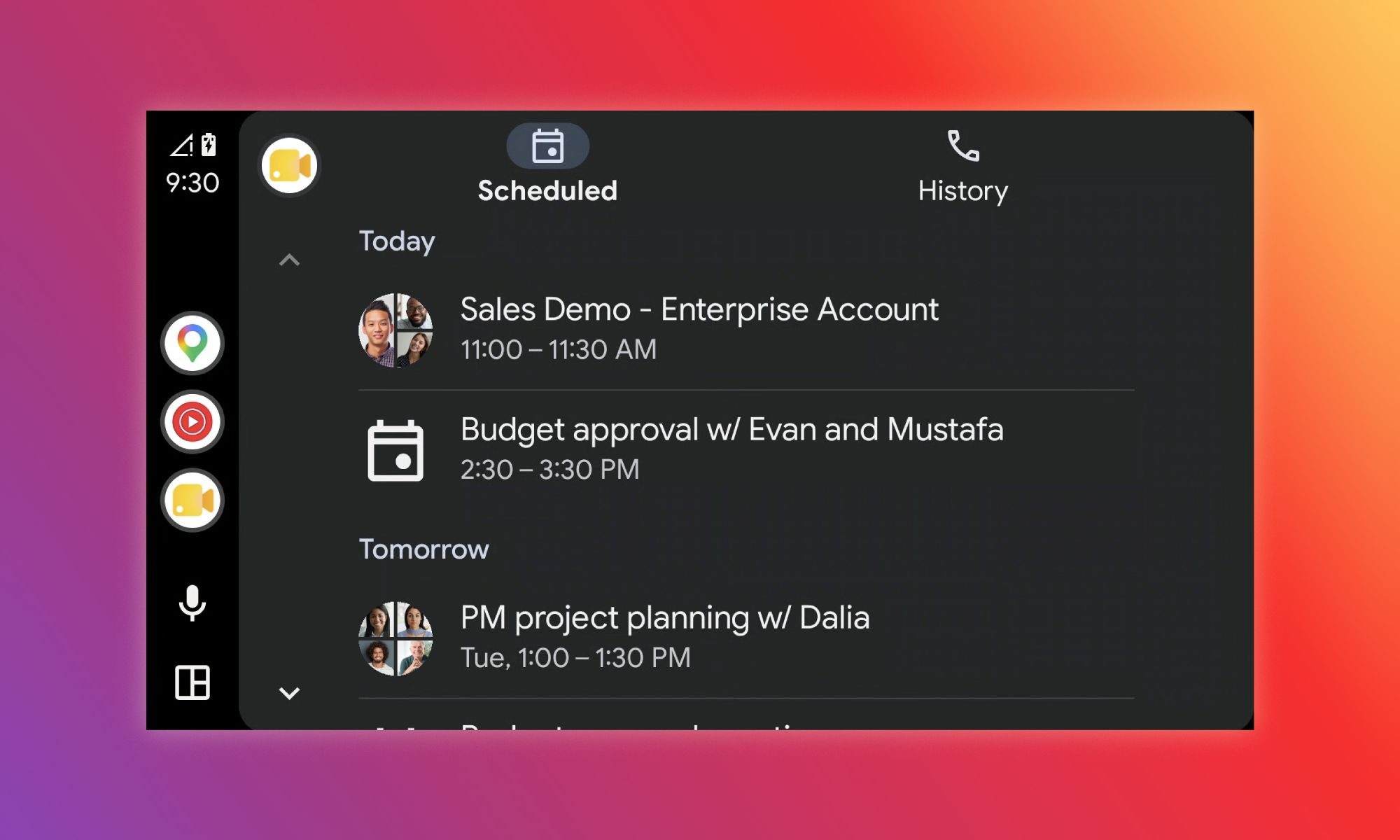
Google Meet finally lands on Android Auto, giving you one less excuse to skip a meeting
Android users can now join scheduled meetings and audio calls from their car's dashboard, catching up to what iPhone users have had for months.
Google Meet on Android Auto

Android Auto is finally getting Google Meet, months after the video conferencing app made its debut on Apple CarPlay. Android users can now pull up scheduled meetings and dial recent contacts straight from their car's display instead of reaching for their phone.

How it works behind the wheel

Read more