  1. Home
  2. Cars
  3. News

2.1M Audi models use software to cheat diesel emissions tests

Add as a preferred source on Google

Volkswagen Group’s woes continue to mount as it has been confirmed that Audi used approximately 2.1 million diesel engines equipped with emissions test-cheating software.

The news mostly affects vehicles sold in Western Europe (1.42 million models), including 577,000 in Germany, and centers on the A1, A3, A4, A5, A6, TT, Q3, and Q5 models. Audi representative Bradley Stertz also noted that about 13,000-14,000 A3 models sold in the U.S. and 1,500 sold in Canada are also affected. The greatest number of affected vehicles utilize Audi’s 2.0-liter four-cylinder diesel.

Recommended Videos

For those of you driving larger vehicles powered by Audi’s 3.0-liter V6 TDI, you’re in the clear.

It’s important to note that the 2.1 million Audi TDI engines using the software are not in addition to the reported 11 million affected vehicles, but rather are part of that number. Presently, German authorities estimate 2.8 million VW Group vehicles with emissions-dodging technology are on its roads, while the EPA says a total of 482,000 U.S. vehicles are impacted.

For those who haven’t been closely monitoring VW Group’s actions in the wake of the “DieselGate” scandal, the automotive behemoth has begun a series of dramatic internal changes in an attempt to restore public confidence and show the world that it’s taking its sins seriously.

Among the most significant changes, CEO Martin Winterkorn has been replaced by ex-Porsche CEO Matthias Muller; Volkswagen has allocated $7.3 billion for engine repairs related to the scandal; the Group has merged its U.S., Mexico, and Canada markets into one North American entity to more effectively control strategy; a deal with Red Bull to enter Formula 1 has been shut down; and in general, the organization has promised “less complexity” among its brands to avoid future mistakes.

Miles Branman
Miles Branman doesn't need sustenance; he needs cars. While the gearhead gene wasn't strong in his own family, Miles…
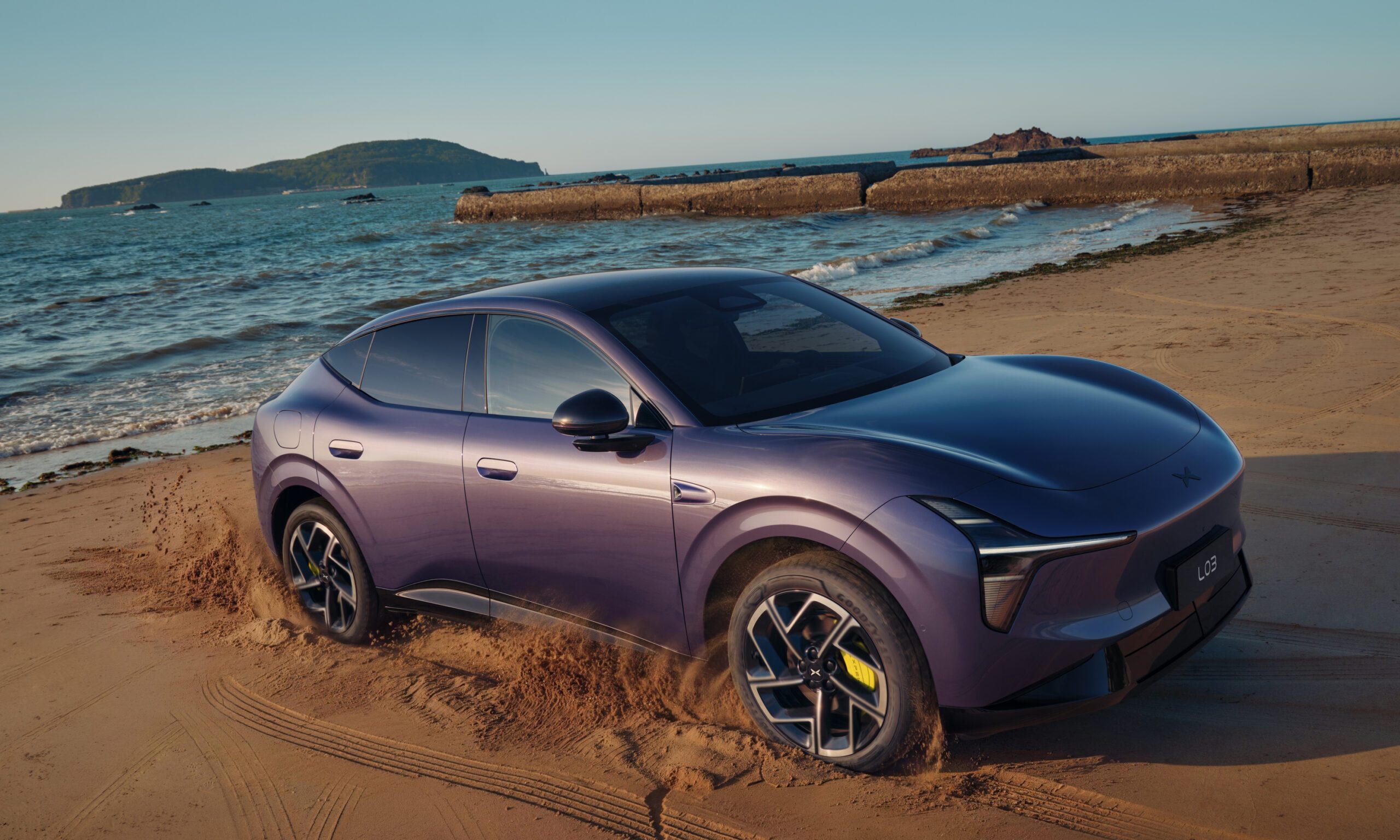
This sleek Chinese EV pairs supercar styling with three AI brains
The Xpeng L03 is an AI supercomputer disguised as a stylish family SUV
Xpeng L03

Xpeng’s latest electric vehicle carries enough processing power to make the term "smart car" actually sound more realistic than it actually is. The new Xpeng L03 debuted simultaneously in Europe and China on July 16, with the company presenting it across 65 markets. Available as a fully electric vehicle and an L03 Power X range-extender, the coupe-SUV is Xpeng’s most internationally focused model so far. Market-specific prices and sales dates remain unannounced.

Three AI chips and Google Maps built right in

Read more
A new sodium battery posts wild four-minute charging numbers, but don’t expect it in an EV yet
The breakthrough could improve fast charging and battery life, but the study hasn’t demonstrated those results in a production-sized pack
EV Charger

A new sodium-metal battery has posted a charging number that makes today’s EVs look painfully slow. In laboratory testing, the cell operated at a 15C rate, equivalent to completing a charge or discharge in roughly four minutes.

That doesn’t mean researchers plugged in an electric car and watched it fill up before the driver finished buying coffee. The result came from a small experimental cell using a new quasi-solid electrolyte, while the larger pouch-cell prototype delivered far less dramatic performance.

Read more
The Apple Car may be dead, but it became the foundation of Apple Intelligence
A decade of work on a canceled car project reportedly laid the groundwork for Apple Intelligence.
Apple Intelligence in Apple Car

The Apple Car may have never left the garage, but it apparently gave birth to Apple's AI ambitions. According to Bloomberg's Mark Gurman, Apple's canceled autonomous vehicle project, one that consumed more than a decade of work and over $10 billion before being scrapped in 2024, ended up laying the technological foundation for Apple Intelligence. In a rather ironic twist, one of Apple's most expensive failures may also become one of its most important long-term investments.

The Apple Car forced Apple to think like an AI company

Read more