1. Home
  2. Social Media
  3. News

Millennials don’t think personal data is secure online but offer it anyway

Add as a preferred source on Google

Online security breaches have become all too familiar, with news of hacked financial and personal information occurring almost daily. Although we are slowly becoming accustomed to these incidences, most agree that we are justifiably skeptical of whether or not websites and businesses can protect our personal data.

According to a survey conducted by Intercede and Atomik Research, of approximately 2,000 millennials in the U.S. and U.K., there is a “widespread state of mistrust” of current government and business security measures online. In fact, although it seems that users have a tendency to voluntarily over-share large amounts of personal information, 61 percent of respondents described their trust levels as “none” or “a little” when it comes to the protection of personal data on social media platforms.

Recommended Videos

While this data is likely unsurprising, it is interesting that 55 percent of those surveyed also rated their trust in dating sites as “none” or only “a little.” Despite security breaches such as Ashley Madison’s recent data hack of over 36 million members’ information, it seems some millennials trust their personal data with dating sites more than they do with social media platforms such as Twitter and Facebook.

We might wonder then, why we continue to share and voluntarily provide personal information to sites and businesses that most of us don’t trust. It isn’t because cyber security isn’t important. “Millennials are hungry for change,” says Lubna Dajani, communications technology expert. “This is by no means an apathetic generation. If business and government leaders don’t adopt better protocols now, millennials will soon rise up and demand it.”

Of survey respondents, 58 percent consider secure social media content to be “very important” or “vital.” However, 23 percent of all respondents admitted sharing personal data simply because they figure companies and governments are going to get the information whether they grant access or not. Although no category fared extremely well with millennials, websites receiving the highest numbers of respondents expressing “complete” trust include federal/national government, schools, financial institutions, and surprisingly, gaming platforms.

Christina Majaski
Former Digital Trends Contributor
Christina has written for print and online publications since 2003. In her spare time, she wastes an exorbitant amount of…
You can now generate songs in your iMessage chats
iMessage users can now turn chats into short AI-generated songs
Text, Business Card, Paper

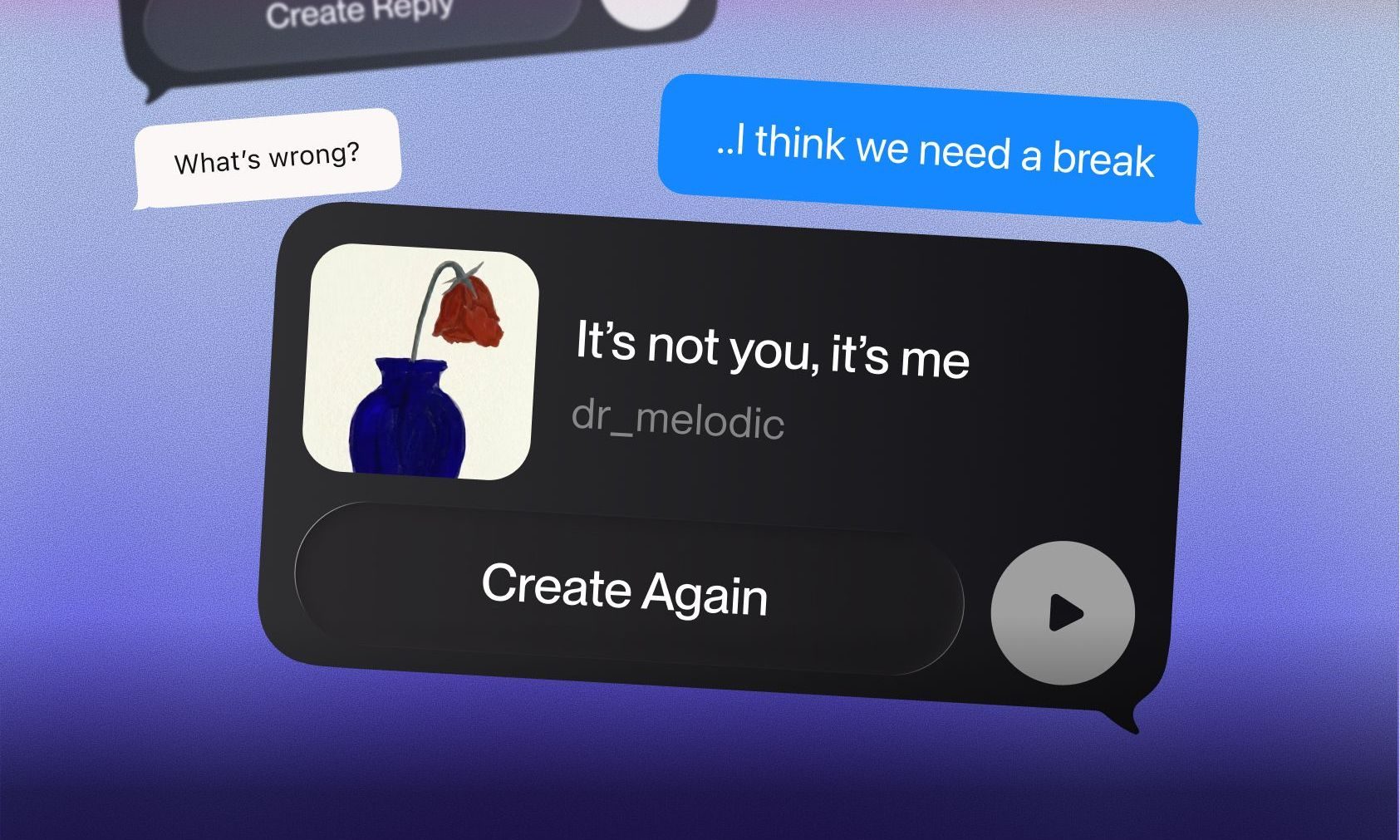
Suno has added an iMessage extension to its iOS app, letting users generate 30-second songs from voice recordings or typed prompts inside a Messages conversation.

The feature is available in the latest version of the Suno app and requires both people in the chat to have it installed. Users can access Suno from the plus menu in Messages, create a track, and share it without opening the standalone app.

Read more
The UK just proposed a midnight social media curfew for teens that they can bypass in seconds
The government wants 16- and 17-year-olds off apps like Instagram, TikTok, and YouTube from midnight to 6 AM, but the restriction has a built-in workaround.
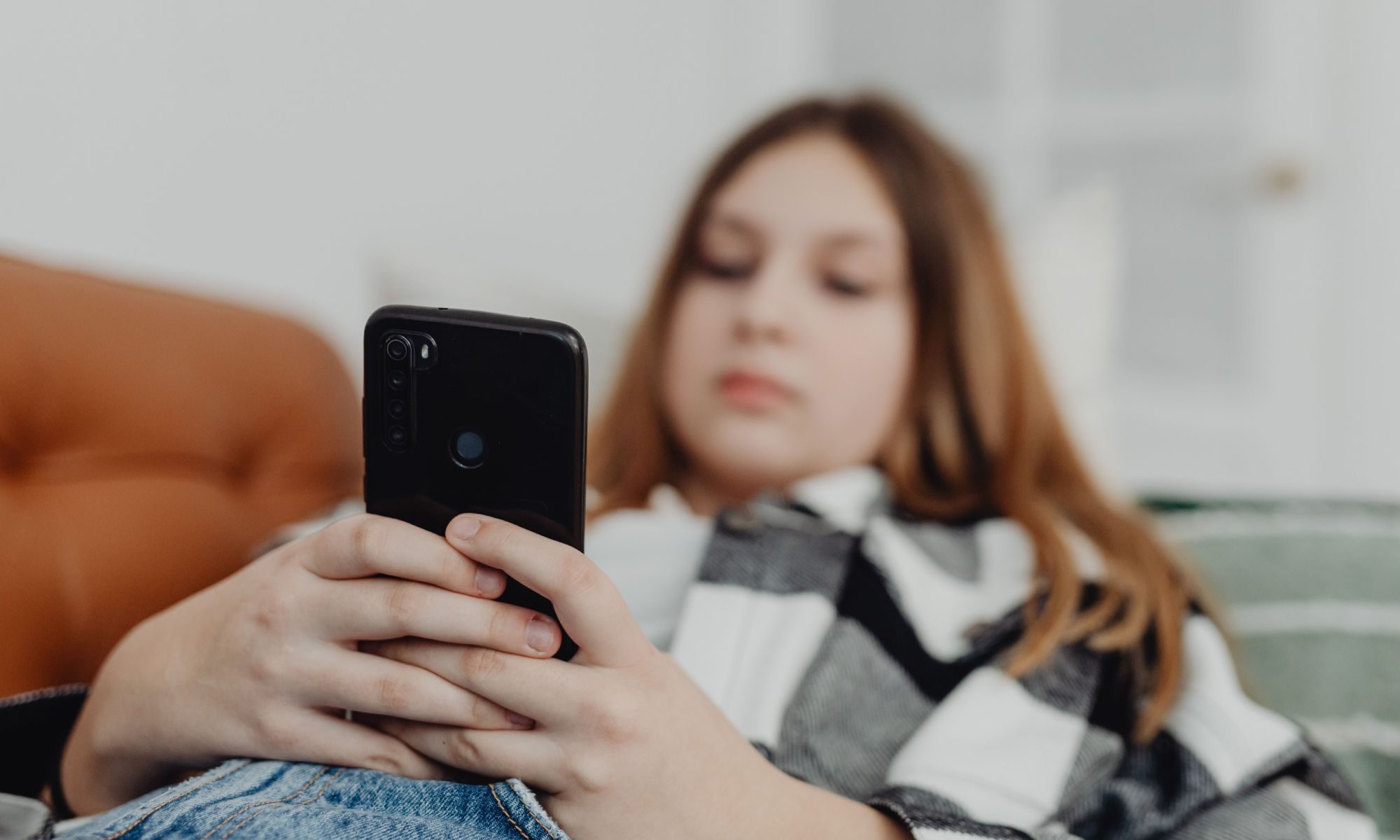
Girl using a black phone while lying down

The UK just proposed a midnight social media curfew for teenagers, but it comes with a built-in escape hatch. According to the BBC, the UK government plans to restrict social media access for 16- and 17-year-olds between midnight and 6 AM, preventing them from using apps like Instagram, TikTok, and YouTube. But getting around it will take nothing more than a few taps.

A curfew teens can switch off

Read more
X is teaching its AI algorithm something social networks once understood
A new ranking tweak gives mutuals more visibility after X found that friendship data was missing from an algorithm shaping who appears in replies
Twitter X Logo Featured

X has discovered a bold new strategy for making social media feel social again. It’s going to show your posts more often to people you actually know.

According to X product head Nikita Bier, the platform is boosting the visibility of posts among mutuals, meaning accounts that follow each other. He said this relationship data had been missing from the algorithm, leaving familiar accounts less visible when reply sections filled up.

Read more