1. Home
  2. Emerging Tech
  3. News

U.S. prisons have a major drone problem, and there’s no good solution yet

Add as a preferred source on Google

As if prison guards don’t already have enough to deal with, they now have to keep their eyes peeled for incoming remotely controlled flying machines carrying all manner of gear including everything from hacksaw blades to drugs.

The issue of drones breaching prison security – the latest incident occurred just four days ago – has become so serious that the Federal Bureau of Prisons (BOP) has put out a call to potential suppliers for help with developing a solution.

Recommended Videos

An official Request for Information (RFI) notice published on Wednesday stated that “recent advances in unmanned aerial vehicles (UAVs) have presented a new and evolving threat to the BOP mission.”

It goes on: “From small devices of less than a pound that can provide unauthorized imagery and surveillance to larger systems that can carry 20 or more pounds of contraband, these devices represent a new and unprecedented challenge for BOP personnel.”

The bureau says it needs a system capable of “detection, tracking, interdiction, engagement and neutralization of small (less than 55 pounds total weight) unmanned aerial systems.”

With an increasing number of tech firms working on a range of anti-drone technologies, the U.S. prison service has a decent chance of finding an effective system sooner rather than later, though costs will of course have to be acceptable for a solution to be installed at prisons across the country.

In the last two months alone we’ve heard about four systems for intercepting drones. The DroneDefender, for example, uses radio pulses to disable UAVs within a 400-meter radius, while the Falcon Shield uses a network of camera and radar surveillance sensors capable of detecting, tracking, and intercepting a drone flying in a restricted area. Interest in anti-drone technology has been driven by the likes of the Federal Aviation Administration, which is becoming increasingly concerned about irresponsible operators flying their UAVs close to airports.

The matter of how to deal with growing drone ownership has taken on a sense of urgency following reports that consumer ownership of the devices is likely to go through the roof this Christmas, with around a million sales expected in the U.S. alone.

Trevor Mogg
Contributing Editor
Not so many moons ago, Trevor moved from one tea-loving island nation that drives on the left (Britain) to another (Japan)…
Yet another study says AI is bad for elections, and the rabbit hole gets worse
AI may be an election bomb waiting for someone to light the fuse
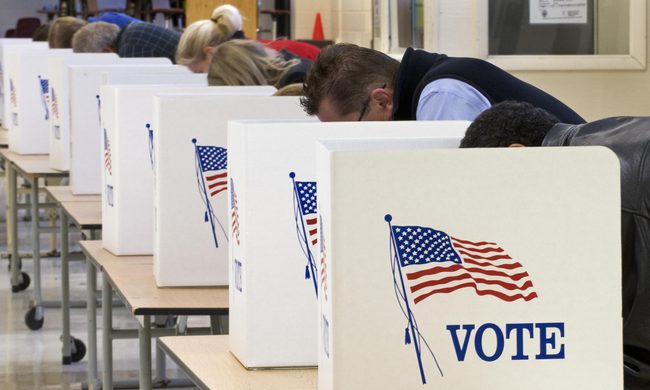
Voters cast their ballots on Election Day

Another election, another study has concluded that asking an AI chatbot for political guidance is a spectacularly bad idea. Research conducted during Hungary’s 2026 parliamentary election found that ChatGPT and Google Gemini offered not just inaccurate but also inconsistent and unreliable voting advice. The chatbots misclassified voter profiles, overlooked relevant parties, recommended parties absent from the ballot, and sometimes produced materially different answers when given the same information repeatedly.

AI keeps failing the voter test

Read more
Samsung’s humanoid robot ambitions are real, but factories come first
Samsung’s new robotics division has humanoids in its sights, although its immediate business is far more practical factory automation
Robot Touch Human Finger

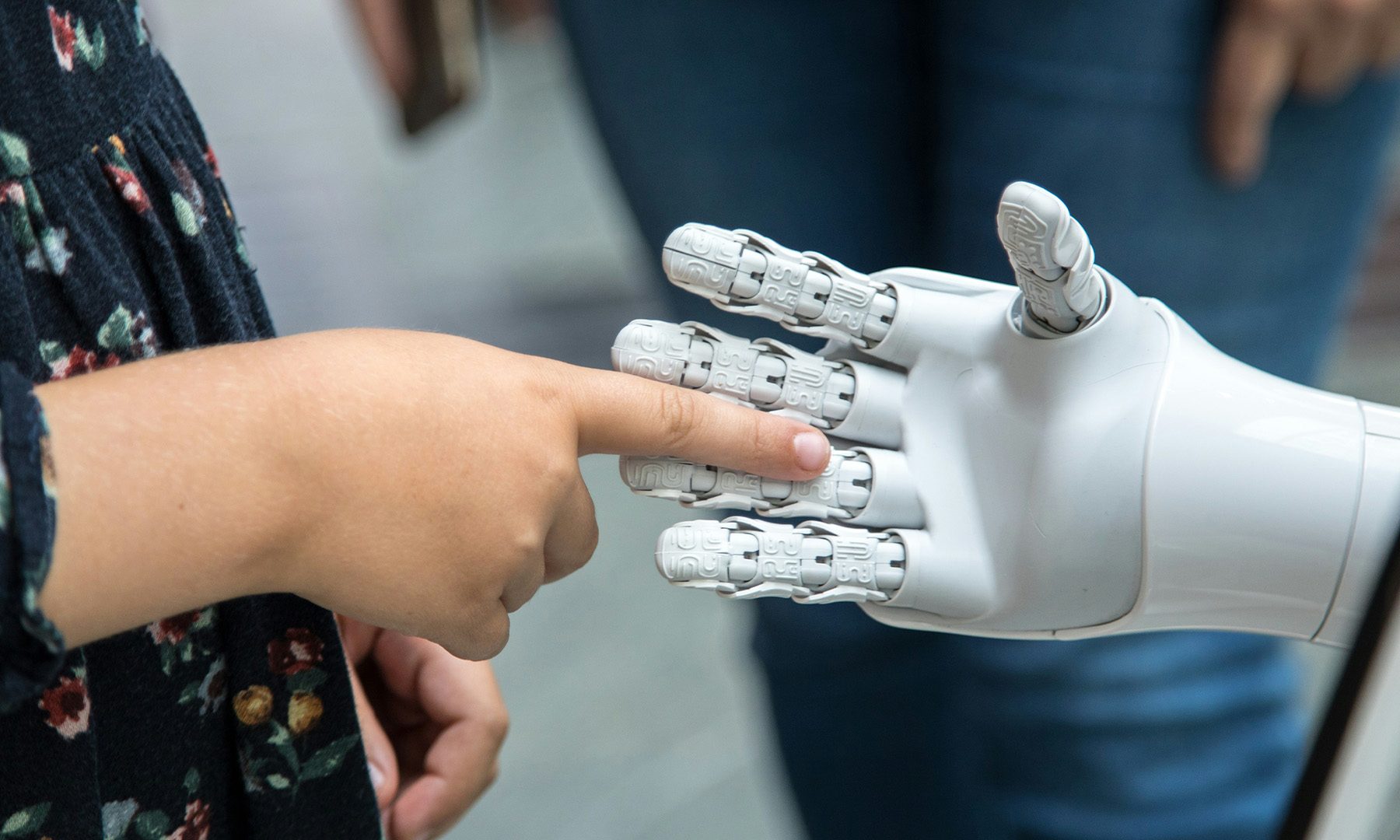
Samsung wants a place in the humanoid race, but its new robotics push begins with machines built for factories rather than homes.

The CEO-led RX robotics division will initially focus on manufacturing robots. Samsung has separately identified humanoids as a priority, although it hasn’t announced a commercial model or explained where one fits into the division’s immediate plans.

Read more
The future of AI may depend on this one behind-the-scenes change
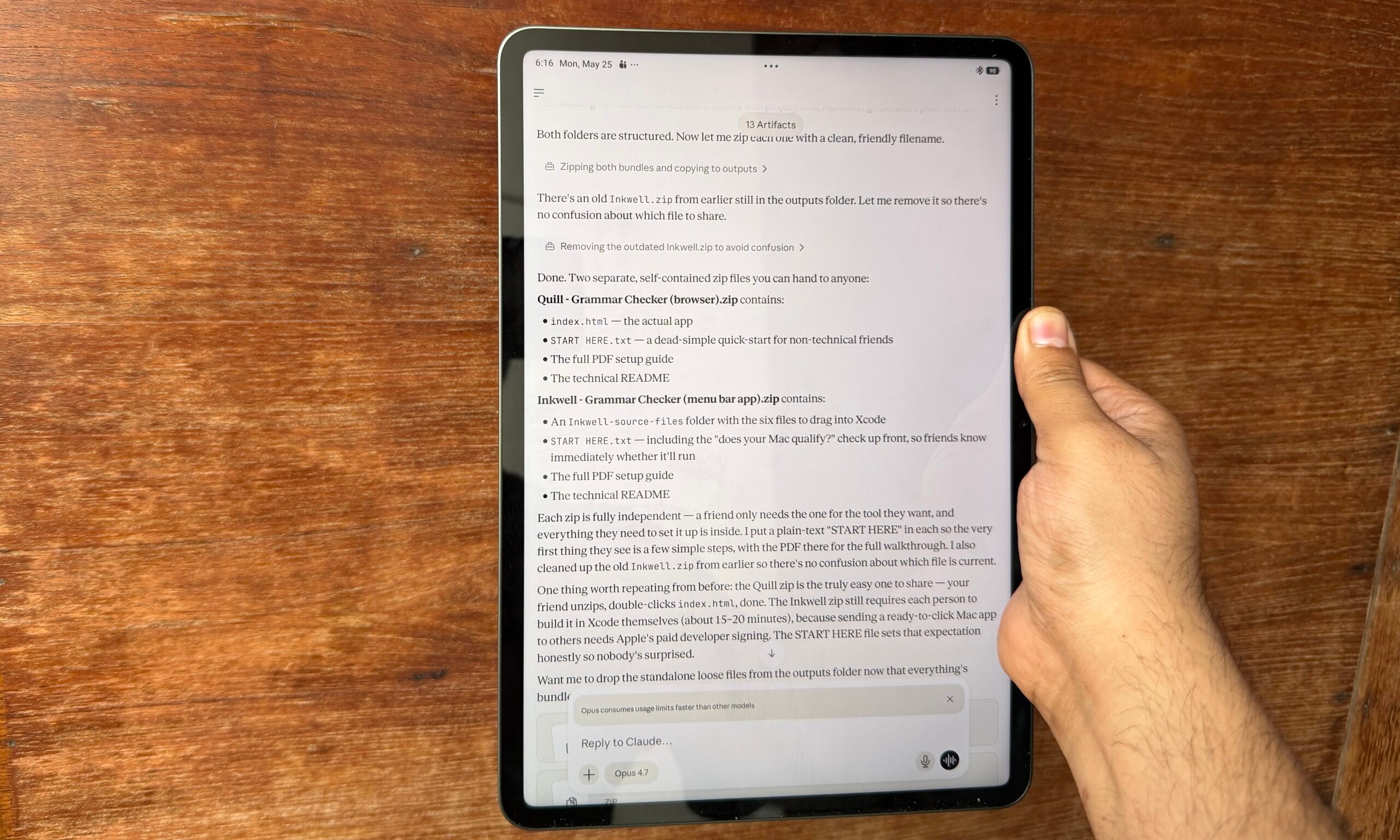
Running Claude on Android.

Whenever a new AI model arrives, it's easy to get caught up in the bells and whistles. We talk about how much smarter it is, how quickly it answers questions, or how realistic its images have become. But here's the thing: none of that matters much if the AI can't reliably work with the apps and services people use every day.

That's why an upcoming update to the Model Context Protocol (MCP) caught my attention. It isn't a new chatbot or a fancy AI model. In fact, most people will never even know it's happening. But it could quietly make the AI ecosystem a lot healthier. If you've never heard of MCP before, don't worry. Think of it as a shared language that lets AI assistants safely talk to apps like Gmail, Slack, calendars, databases, and countless other services. Instead of every company inventing its own way to make those connections, MCP gives everyone a common rulebook.

Read more