1. Home
  2. Emerging Tech
  3. News

Passenger jet pilot reports a close encounter with a drone

Add as a preferred source on Google

The pilot of a passenger jet flying into Dallas Love Field on Friday reported seeing a drone within “a few hundred feet” during the approach. The unmanned aerial vehicle was also spotted from the air traffic control tower and authorities are currently trying to track down the pilot.

According to the Dallas Morning News, the Boeing 737 (Southwest Flight 28) was traveling from Houston to Dallas and saw the drone about a mile from the airport. The quadcopter was spotted by the aircraft’s left wing although the jet “landed without incident” and didn’t have to take any evasive action to avoid the drone.

Recommended Videos

Ground units and a helicopter were dispatched to try and locate the pilot, but so far the identity of the drone operator remains a mystery. “We’re concerned, because these are easily purchased devices, and they have pretty amazing capabilities,” said Mark Duebner, the director of aviation in Dallas

“I don’t think the average person understands the airspace limits around the airport, because they wouldn’t have reason to know them,” he added. “We need to do some campaigns to raise public awareness, though, because we don’t need these anywhere near the airport.”

The Federal Aviation Administration (FAA) is taking an “incremental approach” to drone regulations in the U.S. — drones used for commercial purposes, for example, currently require a special license while the FAA works out how it wants to manage their use more widely.

Rules for noncommercial drone use currently require that the UAVs are flown below 400 feet and remain within sight of the pilot. “Remain well clear of and do not interfere with manned aircraft operations,” add the regulations and “don’t fly within five miles of an airport unless you contact the airport and control tower before flying” — points that the drone pilot in Texas was obviously unaware of.

Via Ars Technica

David Nield
Former Contributor
Dave is a freelance journalist from Manchester in the north-west of England. He's been writing about technology since the…
Yet another study says AI is bad for elections, and the rabbit hole gets worse
AI may be an election bomb waiting for someone to light the fuse
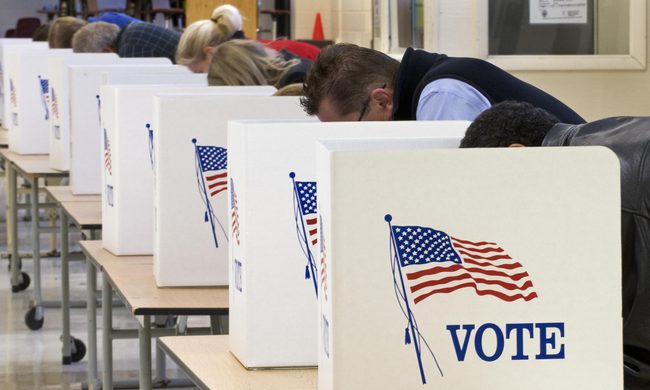
Voters cast their ballots on Election Day

Another election, another study has concluded that asking an AI chatbot for political guidance is a spectacularly bad idea. Research conducted during Hungary’s 2026 parliamentary election found that ChatGPT and Google Gemini offered not just inaccurate but also inconsistent and unreliable voting advice. The chatbots misclassified voter profiles, overlooked relevant parties, recommended parties absent from the ballot, and sometimes produced materially different answers when given the same information repeatedly.

AI keeps failing the voter test

Read more
Samsung’s humanoid robot ambitions are real, but factories come first
Samsung’s new robotics division has humanoids in its sights, although its immediate business is far more practical factory automation
Robot Touch Human Finger

Samsung wants a place in the humanoid race, but its new robotics push begins with machines built for factories rather than homes.

The CEO-led RX robotics division will initially focus on manufacturing robots. Samsung has separately identified humanoids as a priority, although it hasn’t announced a commercial model or explained where one fits into the division’s immediate plans.

Read more
The future of AI may depend on this one behind-the-scenes change
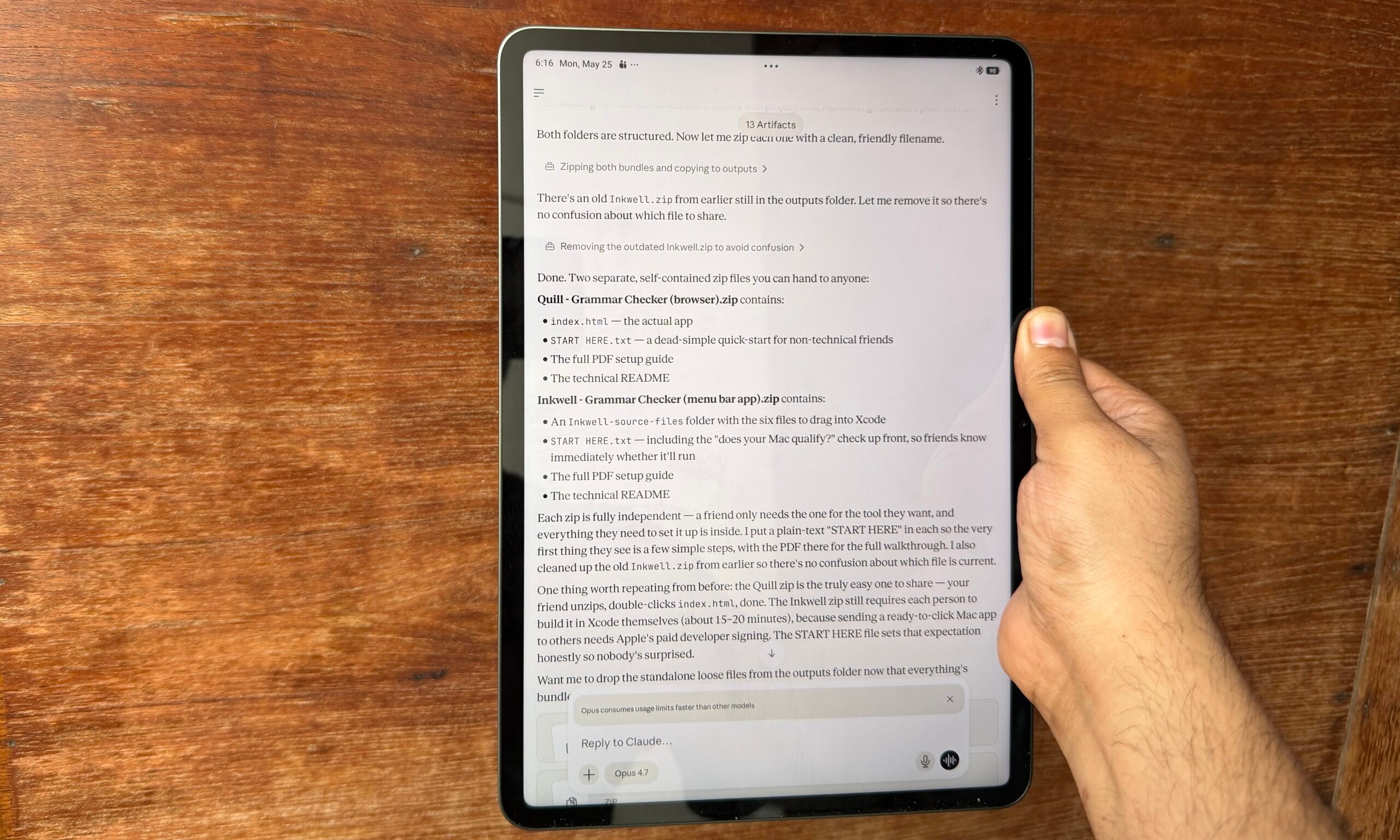
Running Claude on Android.

Whenever a new AI model arrives, it's easy to get caught up in the bells and whistles. We talk about how much smarter it is, how quickly it answers questions, or how realistic its images have become. But here's the thing: none of that matters much if the AI can't reliably work with the apps and services people use every day.

That's why an upcoming update to the Model Context Protocol (MCP) caught my attention. It isn't a new chatbot or a fancy AI model. In fact, most people will never even know it's happening. But it could quietly make the AI ecosystem a lot healthier. If you've never heard of MCP before, don't worry. Think of it as a shared language that lets AI assistants safely talk to apps like Gmail, Slack, calendars, databases, and countless other services. Instead of every company inventing its own way to make those connections, MCP gives everyone a common rulebook.

Read more