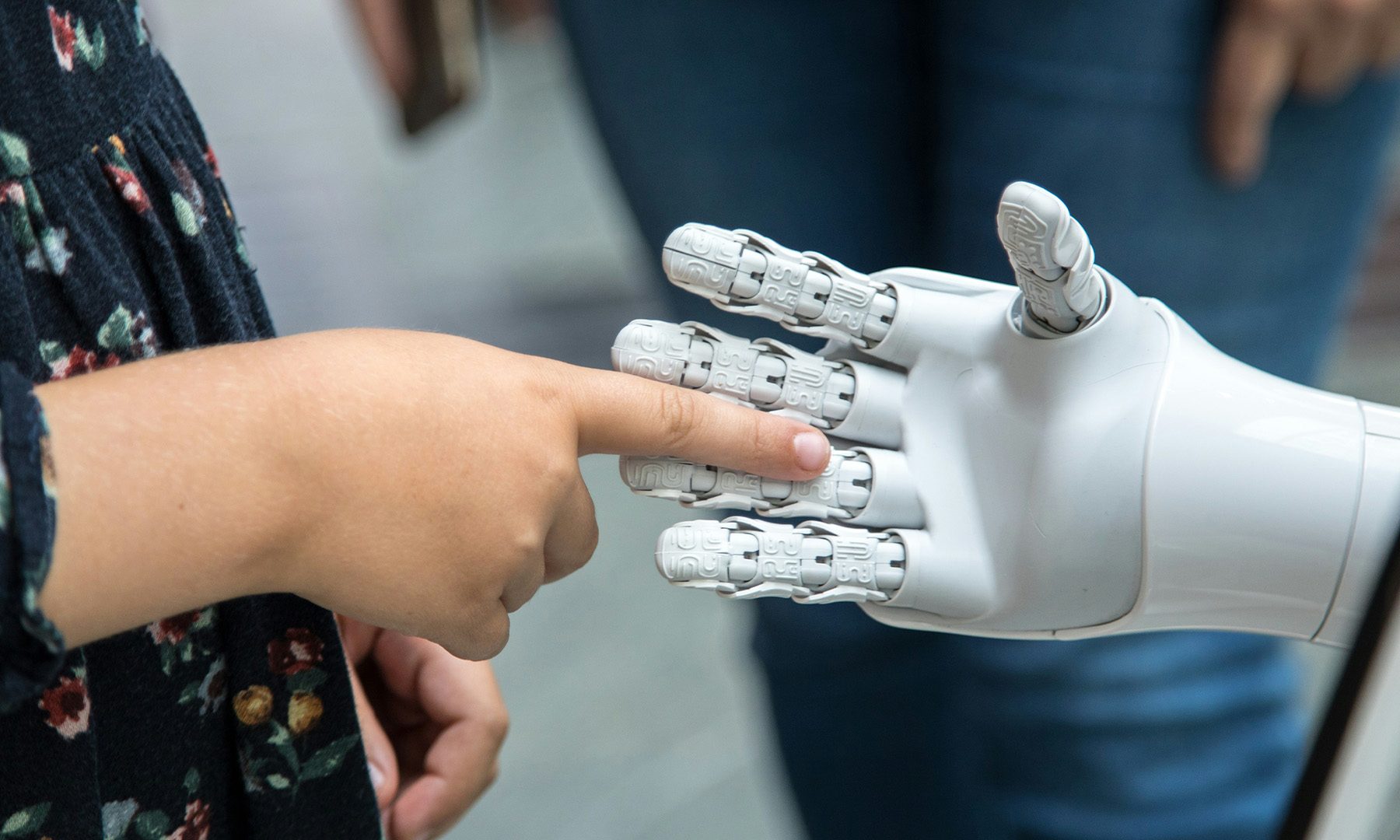
Most bartending robots claim to make cocktails quicker, better, fresher, or more correctly — there’s nothing worse than a poorly made Negroni. But a new bot called Social Shot is designed to mix a beverage completely unique to every drinker. How could a robot mixologist know enough about you to make a custom cocktail based on your personality? Well its obvious, really — your Facebook account.
Using data from your Facebook profile, Social Shot develops a unique personality profile based on the diagnostic psychological system called the Big Five. Profiles examined using the Big Five model divide the five traits that can factor into a human’s personality and identify in what quantities an individual displays those possibilities. Openness, conscientiousness, extroversion, agreeableness, and neuroticism are the five major traits that this theory uses to filter all human personalities, so Social Shot has paired a different ingredient with each one.
Because the Big Five model breaks down these five personality traits into their percentage of prevalence in an individual, Social Shot does the same with the corresponding ingredients. The German design team behind Social Shot set out to create a visual interpretation of the personality data from Facebook profiles. Beyond the basic visuals of a personality profile, Social Shot translates that accumulated digital information into an experiential moment: “The graphic translation of abstract datasets into something that is not only readable like a diagram but also tangible allows an unusual glimpse at the value and significance of the user’s personal data.”
Social Shot layers custom-selected ingredients inside a test tube based on each personality profile, but every cocktail measures exactly 2 centiliters (almost 0.7 ounces) because the robot isn’t designed to pass judgment. On the other hand, it’s entirely possible that the designers responsible for Social Shot created strategic pairings between each personality trait and its corresponding ingredient: “A Facebook user whose profile suggests a smaller amount of conscientiousness will receive a shot with less vodka. On the opposite, the Social Shot for a very faithful person will contain more alcohol.” Sip on that.
The algorithm behind Social Shot kicks into gear as soon as a thirsty user logs into his or her Facebook account. By analyzing profile information, likes, and interactions, the robot creates a complete personality profile before dispensing a custom cocktail to represent the drinker. The Social Shot team is doing what they can to keep the specifics of their algorithm under wraps, all as part of their commentary on the way data and algorithmic calculations run so much of our lives in the digital age. And considering our increasingly narcissistic online lives, once you get a glimpse at your personality breakdown, it’s entirely possible that a stiff drink will be exactly what you need.