1. Home
  2. Computing
  3. News

Microsoft drops Windows 10 IoT support for Intel’s Galileo development boards

Add as a preferred source on Google

It appears Windows 10 Mobile isn’t the only area where Microsoft is demonstrating its peculiar side. As reported by PCWorld, Microsoft is also pulling support from Intel’s Arduino-certified Galileo development boards because they do “not meet the minimum hardware requirements” for Windows 10 IoT (Internet of Things) Core.

Windows 10 for IoT Core was revealed at its Build conference earlier this year as a barebones port of the OS, designed for things like household appliances and apparently even air hockey tables. Intel has been working on IoT-specific boards for quite some time now, constantly finding new ways to reduce power consumption and include new features.

Recommended Videos

The Galileo Gen2, which Microsoft is explicitly pointing to with this prohibition, recently upgraded to a Quark X1000 processor, clocking in at about 400MHz. While this just about hits the mark for what’s expected from IoT clock speeds, it may have been a bit too weak for Microsoft’s tastes. As explained on Windows Dev Center, support for both Galileo board generations ends on November 30. Unfortunately, this could mean the end of the road for Intel’s Edison board support as the device shares many of the same features as Galileo.

Now Microsoft suggests that Windows IoT developers scrap Galileo altogether for their projects and instead opt for the still-supported Raspberry Pi 2, which is fortunately only a $35 expense. Although, if you’d rather wait for something more powerful, Qualcomm’s Dragonboard 410c is set to arrive later this year, fully equipped with a 1.2GHz SnapDragon 410.

Gabe Carey
A freelancer for Digital Trends, Gabe Carey has been covering the intersection of video games and technology since he was 16…
WhatsApp’s Liquid Glass redesign is finally coming to Mac after months of waiting
WhatsApp's Mac app is getting Apple's Liquid Glass-inspired makeover
WhatsApp

WhatsApp has been steadily adopting Apple's new design language across its apps, but Mac users have largely been left watching from the sidelines. That is finally beginning to change.

The messaging platform has started rolling out its Liquid Glass redesign for the WhatsApp Mac app, bringing the desktop experience much closer to what iPhone and iPad users have been seeing over the past few months. The update introduces a refreshed interface with redesigned navigation elements, updated menus, and a cleaner layout that aligns with Apple's latest software aesthetic. According to WABetaInfo, the rollout has begun through the latest Mac App Store update and is currently reaching a limited number of users.

Read more
NVIDIA’s new AI can detect deepfake videos in just 22 milliseconds
NVIDIA has a new AI tool that can tell fake videos from real ones in milliseconds
Nvidia logo

As generative AI becomes increasingly capable of producing videos that are nearly indistinguishable from real footage, the race is no longer just about creating synthetic media. It's about detecting it before it spreads.

At SIGGRAPH 2026, NVIDIA unveiled Synthetic Video Detector, a new AI-powered verification tool designed to identify AI-generated videos with remarkable speed and accuracy. Rather than replacing traditional fact-checking or forensic analysis, the company says the technology is intended to give newsrooms, broadcasters and enterprises another layer of confidence before synthetic videos enter the public domain.

Read more
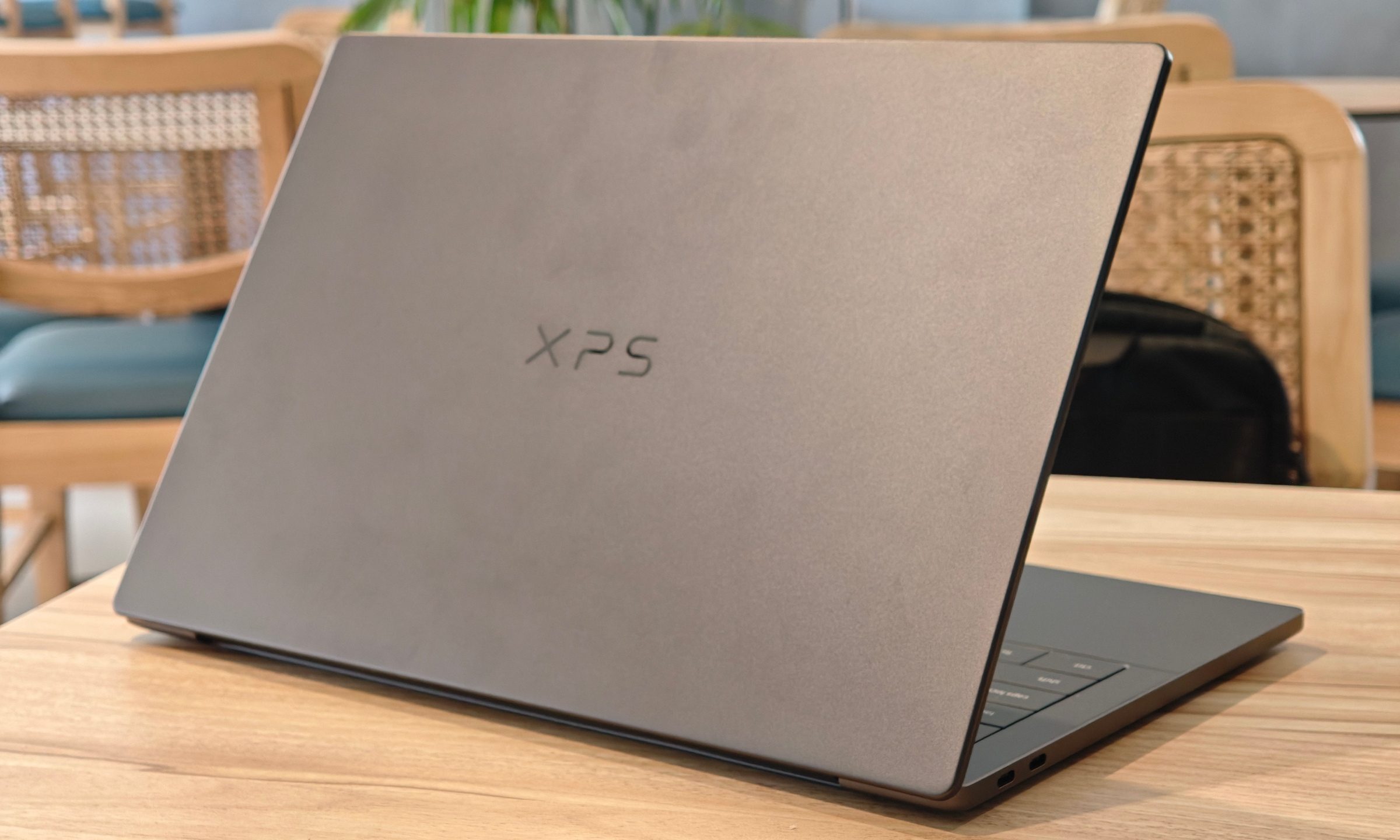
Dell XPS 14 (2026) Review: Dell’s classic Windows laptop returns, and it’s hard to put down
The icon returns, and shows why it's still relevant
Dell XPS 14 Review: Featured

Quick take

Dell’s XPS line has always carried a certain weight. It is one of those Windows laptop families that people recognize even if they don’t follow laptops too closely. Clean design built with premium materials, sharp displays, and high-end hardware. The Dell XPS 14 DA14260 continues that legacy. 

Read more