1. Home
  2. Computing
  3. News

TSMC is assessing how to implement EUV at 5nm

Add as a preferred source on Google

The future of computing is being written as we speak, as engineers around the world attempt to create the technology necessary for the next generation of systems. Now, the CEO of TSMC has indicated that the company is surging ahead with planning and development geared towards years to come.

Speaking at a conference at the company’s headquarters earlier this month, Mark Liu confirmed that TSMC has embarked upon development of a five naonometer process node. However, it seems that there’s still some work to be done before a decision is made on whether or not to adopt extreme ultraviolet lithography at this scale, according to a report from Hexus.

Recommended Videos

Extreme ultraviolet lithography — more commonly referred to as EUV lithography — is different to typical manufacturing methods as it uses light with a shorter wavelength. This allows for higher resolution equipment, and smaller physical sizes of the components being built.

However, EUV tool maker ASML has warned that the technology might not yet be applicable to the 5nm process. The work that’s going on at TSMC right now might be targeted towards finding a method of making EUV practices viable as the company prepares for manufacturing at 5nm.

TSMC’s current roadmap categorizes 5nm transistors as a “long-term research” project, scheduled to play out between 2014 and 2019. Running parallel to this is the company’s “next-generation lithography” project, which is set to look at EUV and related technologies to see how they help meet the challenge of fulfilling Moore’s Law.

Looking at the more immediate future, TSMC announced the successful manufacturing of functional SRAM chips at 7nm back in October of this year. A widespread production rollout for these chips is expected to take place in 2017, with customer tapeouts for 10nm chips expected to get underway in the early part of next year.

What does this mean for users? For now, not much — but it does appear the production war is in a moment of particular activity. After a half-decade of definite dominance by Intel, it seems the silicon giant has hit a snag, resulting in the delay of its upcoming 10nm process. That could give TSMC and others time to catch up, resulting in more competitive chips from Intel’s peers. IBM is also pushing hard, having produced the world’s first 7nm chip with functioning transistors earlier this year.

Brad Jones
Brad is an English-born writer currently splitting his time between Edinburgh and Pennsylvania. You can find him on Twitter…
ChatGPT will now remind teens to take breaks and give parents more controls
New parental controls include Quiet Hours, Study Mode defaults, and alerts for serious account violations.
chatgpt-teen-safety-features

OpenAI wants to make ChatGPT safer for teens, and the changes go well beyond a simple content filter. In a new update, the company laid out its stance on why teens should have access to AI in the first place, arguing that keeping them away from it entirely would leave them unprepared for one of the defining technologies of their generation.

Nearly 90% of teens already use ChatGPT weekly for learning, research, or getting organized, which is why OpenAI says access needs to come paired with real protections built for their age.

Read more
ChatGPT’s new search tool saves you from digging through old chats, files, and images
You can also filter ChatGPT search results by content type.
chatgpt-new-search

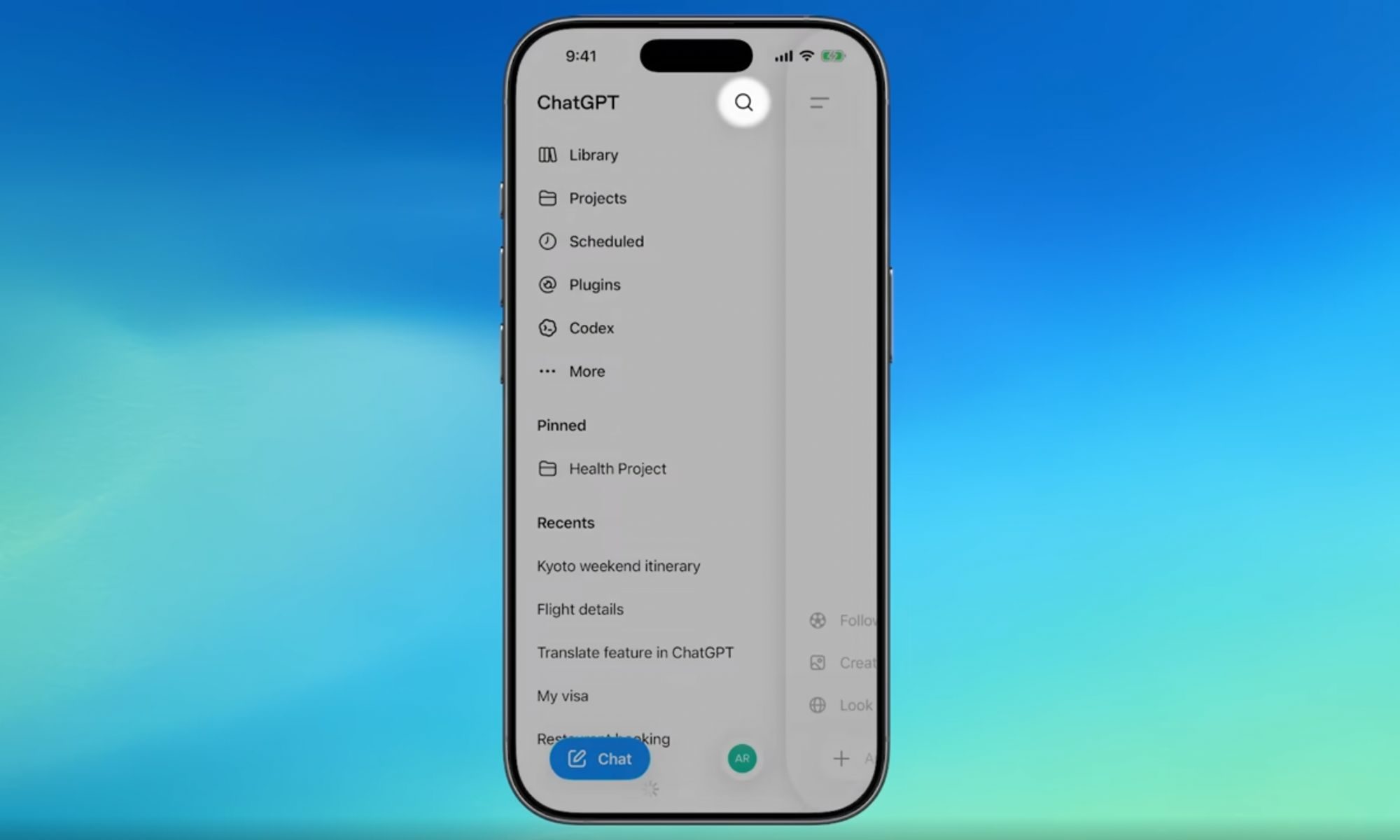
If you have ever lost a great ChatGPT answer somewhere in your endless chat history, that headache is finally over. OpenAI has rolled out a major search upgrade that lets you find old chats, projects, documents, and images all from one place.

Before this update, the sidebar search only pulled up past conversations, leaving uploaded files, projects, and generated images completely out of reach. The new search option is now available across web, iOS, and Android, on every ChatGPT plan, including free accounts.

Read more
You can now link your favorite apps to AI Mode in Google Search to get things done
AI Mode now works with Instacart, Canva, and YouTube Music inside Search.
google-search-ai-mode-connect-apps

Google is making AI Mode in Search more useful by letting you connect third-party apps. Starting this week in the US, you can securely connect some of your go-to apps directly to AI Mode, letting Search actually complete tasks for you instead of just answering questions.

This update builds on a similar trick Google already pulled off inside the Gemini app, and now it is landing in Search itself. The initial rollout includes three launch partners, Instacart, Canva, and YouTube Music, with Google saying more app integrations are on the way.

Read more