1. Home
  2. Emerging Tech
  3. Photo Galleries
  4. Smart Home
  5. News

Odor- and stain-repelling jeans may open the door to a laundry-free future

Get these odor-and-stain-repelling jeans for the Pig-Pen in your life

Add as a preferred source on Google

Have you ever Febrezed your jeans? Maybe when you’ve reached peak comfort a week or so post-washing, but they’re starting to smell a bit funky. You could try to repel the smell with a spritz or two — or just go for odorless jeans.

Odo Denim is supposedly just that. Since freezing your jeans just doesn’t work, financial analyst Mannan Malik and co-founder Salman Choudhry created denim that repels stains and odor-causing bacteria. Woven into the fabric, silver threads release positively charged ions that “penetrate the surface of negatively charged bacteria and disrupt the cell division,” according to the company’s site. It sounds similar to Dow Chemicals’ Silvadur, a “microbial control technology that provides long-lasting freshness and reliable protection against unwanted bacteria in clothing, uniforms, home textiles, industrial fabrics, and more.”

As for stains, Odo’s fabric has billions of “microscopic peaks” bonded into it that don’t allow liquids to soak in. Instead, red wine and ketchup slip off like water off a slicker. No smell and no stains? That would mean you pretty much never have to toss them in the wash again. “You can wear it for months without a wash,” Malik tells Fast Company. It takes a lot of water to clean your jeans, so Odo sees its denim as an H2O-saving alternative.

The Kickstarter campaign for the jeans has been so successful, it’s already raised more than five times its $10,000 goal. It’s now releasing an Odo T, a shirt that similarly repels stains and odors. The shirt is available for a $35 pledge, and there are still a few early-bird options for $99 jeans. If you’re a fan of slim-fitting jeans, there are a few fits to choose from. (No bootcut styles yet.) Both the shirts and jeans should ship in July 2016, if all goes according to plan. (Normal Kickstarters beware as warnings apply.) Odo hasn’t mentioned if it will eventually move on to socks and underwear for a fully odor-free ensemble.


Jenny McGrath
Former Senior Writer, Home
Jenny McGrath is a senior writer at Digital Trends covering the intersection of tech and the arts and the environment. Before…
Yet another study says AI is bad for elections, and the rabbit hole gets worse
AI may be an election bomb waiting for someone to light the fuse
Voters cast their ballots on Election Day

Another election, another study has concluded that asking an AI chatbot for political guidance is a spectacularly bad idea. Research conducted during Hungary’s 2026 parliamentary election found that ChatGPT and Google Gemini offered not just inaccurate but also inconsistent and unreliable voting advice. The chatbots misclassified voter profiles, overlooked relevant parties, recommended parties absent from the ballot, and sometimes produced materially different answers when given the same information repeatedly.

AI keeps failing the voter test

Read more
Samsung’s humanoid robot ambitions are real, but factories come first
Samsung’s new robotics division has humanoids in its sights, although its immediate business is far more practical factory automation
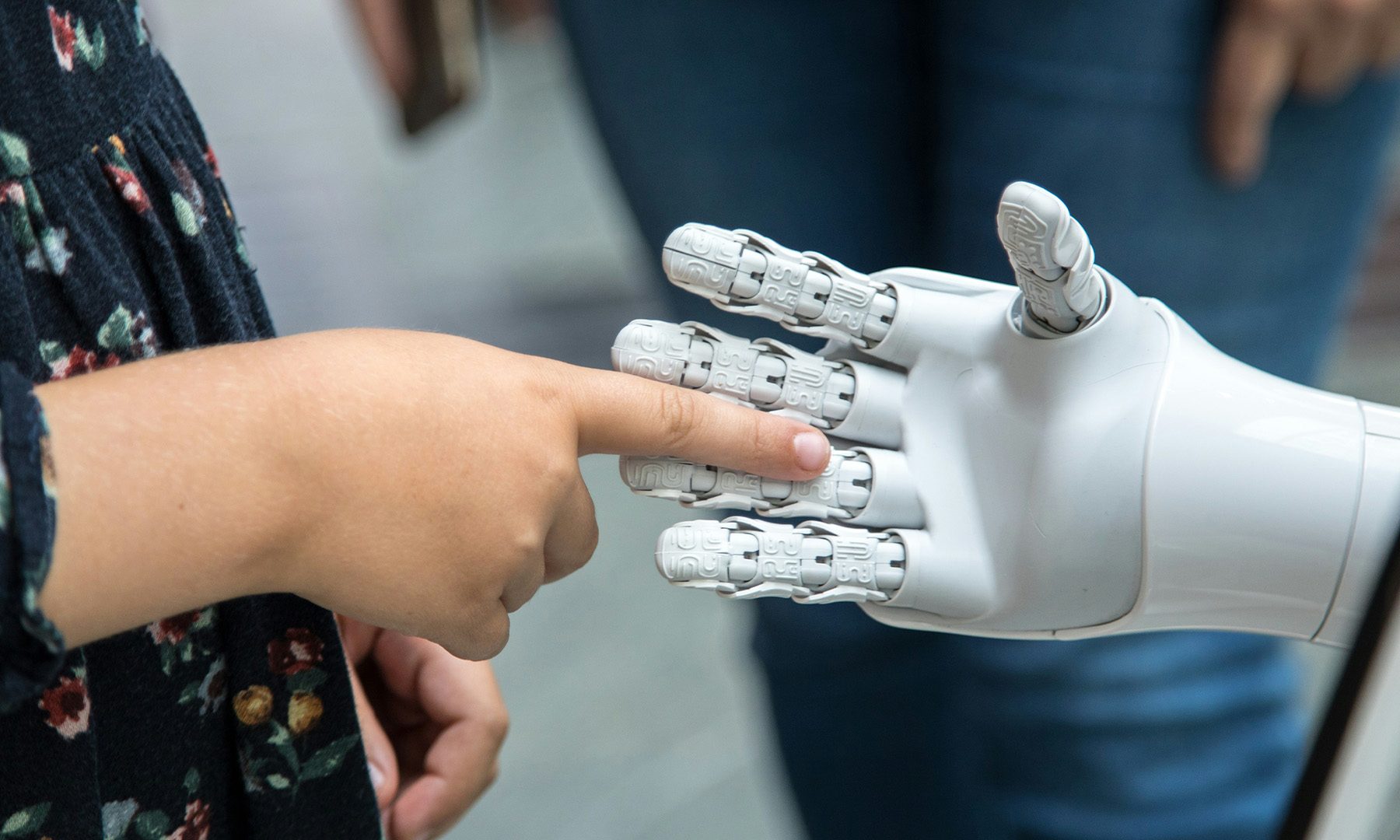
Robot Touch Human Finger

Samsung wants a place in the humanoid race, but its new robotics push begins with machines built for factories rather than homes.

The CEO-led RX robotics division will initially focus on manufacturing robots. Samsung has separately identified humanoids as a priority, although it hasn’t announced a commercial model or explained where one fits into the division’s immediate plans.

Read more
The future of AI may depend on this one behind-the-scenes change
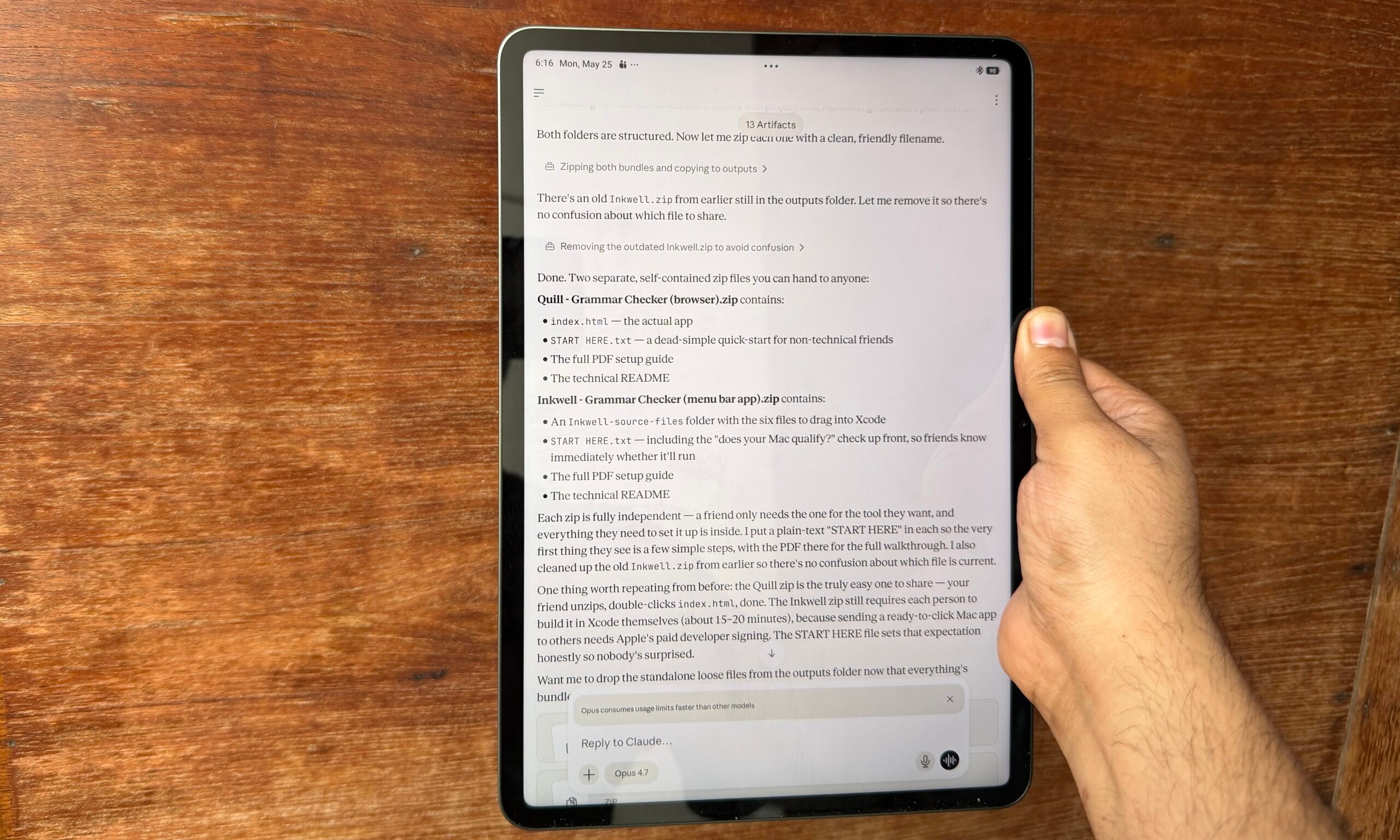
Running Claude on Android.

Whenever a new AI model arrives, it's easy to get caught up in the bells and whistles. We talk about how much smarter it is, how quickly it answers questions, or how realistic its images have become. But here's the thing: none of that matters much if the AI can't reliably work with the apps and services people use every day.

That's why an upcoming update to the Model Context Protocol (MCP) caught my attention. It isn't a new chatbot or a fancy AI model. In fact, most people will never even know it's happening. But it could quietly make the AI ecosystem a lot healthier. If you've never heard of MCP before, don't worry. Think of it as a shared language that lets AI assistants safely talk to apps like Gmail, Slack, calendars, databases, and countless other services. Instead of every company inventing its own way to make those connections, MCP gives everyone a common rulebook.

Read more