1. Home
  2. Emerging Tech
  3. News

Veja sneakers are completely eco-friendly and they actually look stylish

Add as a preferred source on Google

Eco-friendly shoemakers often abandon aesthetics for the sake of materials that are safe for the environment. But in a world where eco-friendly shoes announce their green origins, a Parisian sneaker company named Veja set out to make environmentally responsible footwear that actually looks stylish.

Founders Sébastien Kopp and Francois Ghislain Morillion had launched an NGO consulting for large corporations that needed to tick the sustainability box, but didn’t actually care about improving their business practices. While traveling in Brazil to research small, sustainable manufacturing plants, the duo encountered a popular local volleyball shoe that was made from canvas and rubber. Now, they describe the shoe as “democratic” and “simple”, but it was that one design that sparked their launch of Veja.

Recommended Videos

Veja shoes are made entirely from ethically sourced, sustainable materials from small family farms and fair trade businesses. Their first sneaker was made of canvas sourced from a small family cotton farm in northeastern Brazil. The rubber Veja uses is made from wild rubber that is tapped from trees in the Amazon. The special process results in a liquid latex that can be extracted without damaging the tree itself. This is an incredibly important step towards sustainability in Brazil and the Amazon, where deforestation is a huge problem. Every season, Veja’s new shoe designs are created based on the availability of sustainable materials.

Beyond ethically sourced cotton and sustainably tapped rubber, Veja has even designed shoes using materials from the tanned and dyed skin of farm-raised tilapia. Veja’s most recent shoe featured polyester transformed from recycled plastic bottles.

Kopp and Morillion formed their business on principles of incentivization. By paying local workers higher wages to engage in these sustainable practices, they hope that the trend towards ethical and responsible farming will spread. Of course, sourcing sustainable materials in this way gets expensive. The rubber Veja buys costs $4 a kilogram, where regular rubber can sell for less than one dollar. But Veja offsets the high costs of sustainable manufacturing by abandoning marketing and advertising. As it is, Veja shoes range in price from about $90 to $220, which isn’t outrageous even by non-sustainable standards. It’s also a small price to pay to protect the environment.

If all goes well, Veja’s popularity will continue to grow on word of mouth endorsements in other cities as organically as it has in Paris.

Chloe Olewitz
Former Digital Trends Contributor
Chloe is a writer from New York with a passion for technology, travel, and playing devil's advocate. You can find out more…
Samsung’s humanoid robot ambitions are real, but factories come first
Samsung’s new robotics division has humanoids in its sights, although its immediate business is far more practical factory automation
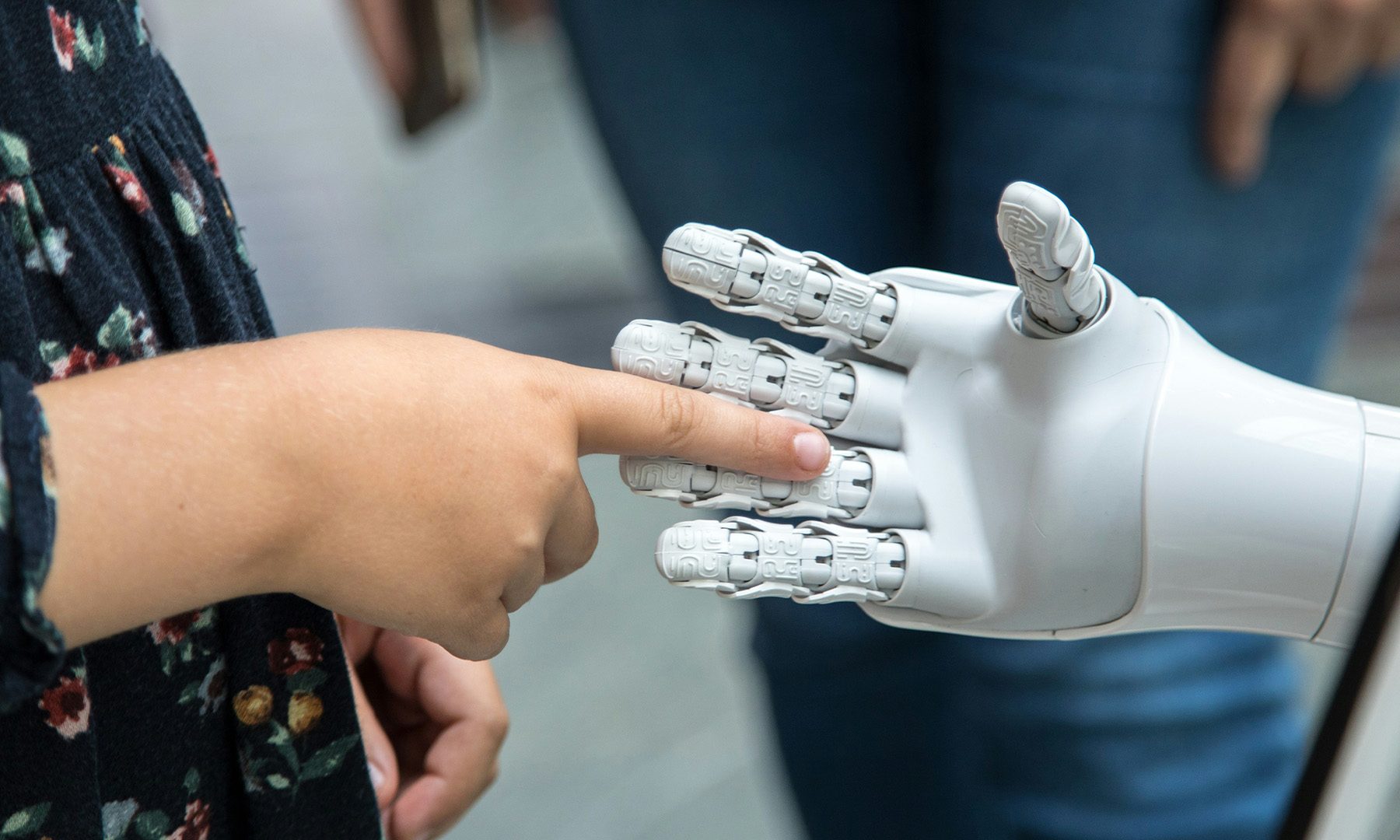
Robot Touch Human Finger

Samsung wants a place in the humanoid race, but its new robotics push begins with machines built for factories rather than homes.

The CEO-led RX robotics division will initially focus on manufacturing robots. Samsung has separately identified humanoids as a priority, although it hasn’t announced a commercial model or explained where one fits into the division’s immediate plans.

Read more
The future of AI may depend on this one behind-the-scenes change
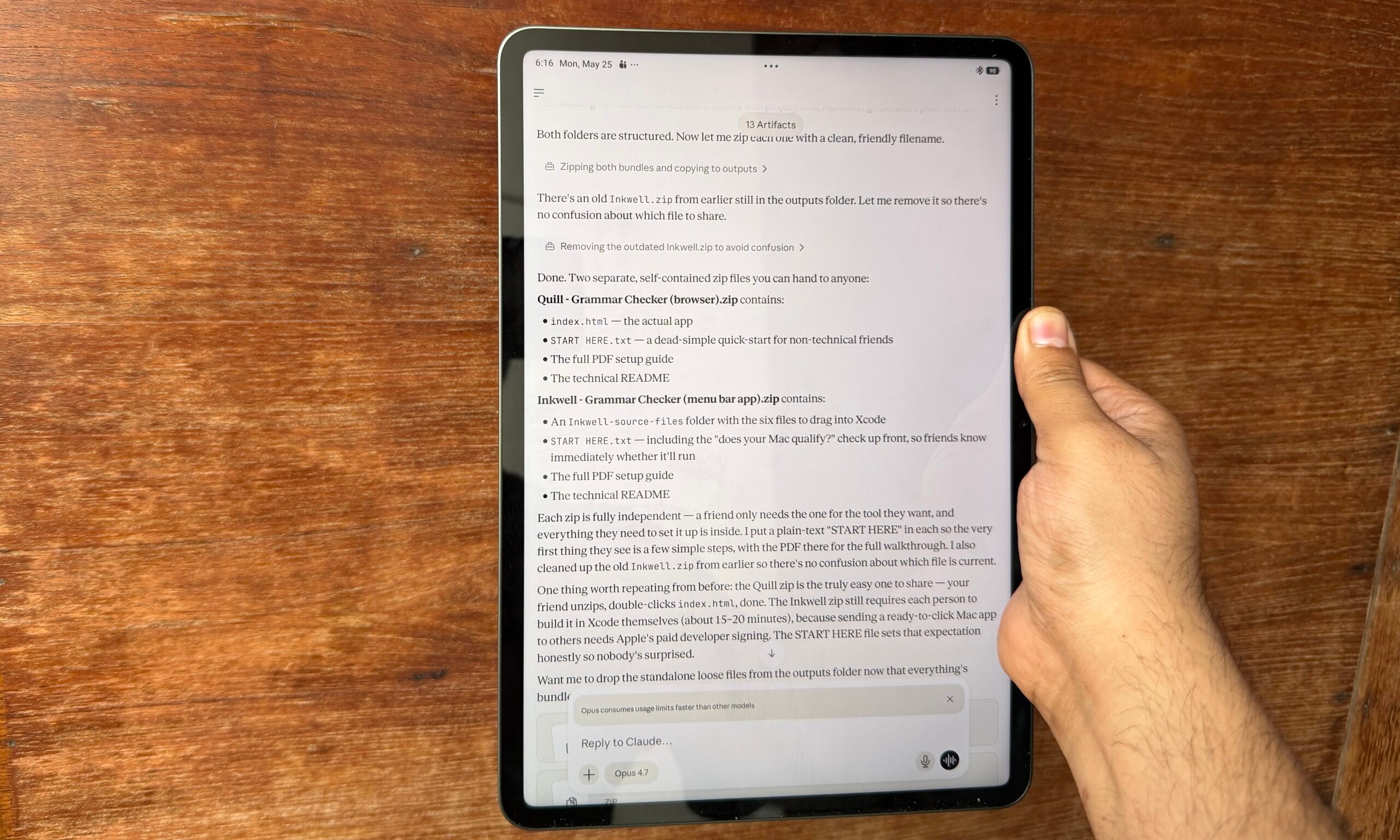
Running Claude on Android.

Whenever a new AI model arrives, it's easy to get caught up in the bells and whistles. We talk about how much smarter it is, how quickly it answers questions, or how realistic its images have become. But here's the thing: none of that matters much if the AI can't reliably work with the apps and services people use every day.

That's why an upcoming update to the Model Context Protocol (MCP) caught my attention. It isn't a new chatbot or a fancy AI model. In fact, most people will never even know it's happening. But it could quietly make the AI ecosystem a lot healthier. If you've never heard of MCP before, don't worry. Think of it as a shared language that lets AI assistants safely talk to apps like Gmail, Slack, calendars, databases, and countless other services. Instead of every company inventing its own way to make those connections, MCP gives everyone a common rulebook.

Read more
The AI game-dev boom has a dark side: fewer jobs for the people starting out
Solo creators are thriving with tools like Claude Code and Copilot, but entry-level game roles are disappearing.
Man playing a video game on a desktop with glowing red and blue lights

AI is making it easier than ever for a single person to build a game. That sounds like a win for creativity, and in many ways, it absolutely is. But there is a catch. As generative AI tools help solo developers and small studios do more with fewer people, the same shift is making life tougher for writers, artists, concept creators, and junior programmers trying to break into the gaming industry.

AI is giving solo developers superpowers

Read more