1. Home
  2. Emerging Tech
  3. News

This ingenious new lighter ignites things with an electric arc, recharges with a few shakes

Add as a preferred source on Google

Update: It appears that Kickstarter has suspended the Tesla lighter campaign in light of multiple fraud allegations. Stay tuned for updates.

Lighters come in handy for everyone from smokers to concert-goers, but the ubiquitous disposable flick-on versions aren’t designed to last forever. At some point, they’re going to run out of fuel, and when they do, you’ll have no other choice but to buy another one. Sure, buying replacements isn’t a huge financial burden by any means, but wouldn’t it be nice if you never had to worry about fuel refills or replacement lighters ever again?

Recommended Videos

That’s where the Tesla lighter comes in. Designed by NY-based inventor Mark Pauling,  Tesla is a self-charging electronic lighter that can ignite in any weather conditions, and recharge with just a shake. The lighter has been met with incredible crowdfunding support, which suggests that a new electric lighter option was definitely in demand.

Rather than using the spark/fuel method that most lighters employ, the Tesla lighter uses electromagnetic induction to power its electric arc. That means when you shake the lighter, the agitation of an internal magnet produces an electromotive force. That force is carried across a conductor, and in this case, is what powers the electric arc. It’s almost the exact same technology you’ll find in a shake-to-shine flashlight, but because the Tesla lighter’s creators used diametrical magnetization instead of axial magnetization, the energy output is stronger. A single shake should generate up to three seconds of a stable arc of electricity. And since there is no flame produced, the Tesla lighter is completely windproof.

Rubber inserts protect the lighter’s electromagnet within a hard casing made from an Aluminum-Magnesium alloy. Thanks to the insulation and protection provided by the rubber, Tesla can ignite in extreme temperatures ranging from -40 degrees Celsius to 50 degrees Celsius. The convincing demo shows the Tesla burning through paper just after digging the lighter out of a pile of snow. Rubber insulation should also protect Tesla from harmful elements like water and dust. That way, Tesla lighters will last longer than disposable lighters, and all without a single gas refill.

On Kickstarter, the Tesla lighter had an original funding goal of $5,000, which is modest in comparison to their wildfire success since launching. The campaign has already raised more than $100,000, unlocking every stretch goal of multicolored lighters in cool casings. A $25 pledge will get you your own Tesla lighter, and of course, bigger pledges earn backers more lighters. If all goes according to plan, Tesla lighters should ship in April 2016.
Chloe Olewitz
Former Digital Trends Contributor
Chloe is a writer from New York with a passion for technology, travel, and playing devil's advocate. You can find out more…
Yet another study says AI is bad for elections, and the rabbit hole gets worse
AI may be an election bomb waiting for someone to light the fuse
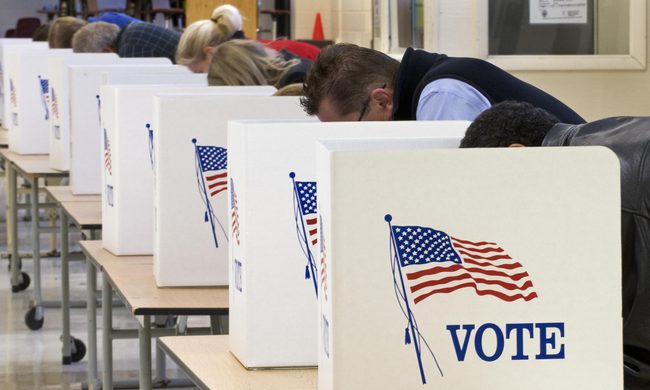
Voters cast their ballots on Election Day

Another election, another study has concluded that asking an AI chatbot for political guidance is a spectacularly bad idea. Research conducted during Hungary’s 2026 parliamentary election found that ChatGPT and Google Gemini offered not just inaccurate but also inconsistent and unreliable voting advice. The chatbots misclassified voter profiles, overlooked relevant parties, recommended parties absent from the ballot, and sometimes produced materially different answers when given the same information repeatedly.

AI keeps failing the voter test

Read more
Samsung’s humanoid robot ambitions are real, but factories come first
Samsung’s new robotics division has humanoids in its sights, although its immediate business is far more practical factory automation
Robot Touch Human Finger

Samsung wants a place in the humanoid race, but its new robotics push begins with machines built for factories rather than homes.

The CEO-led RX robotics division will initially focus on manufacturing robots. Samsung has separately identified humanoids as a priority, although it hasn’t announced a commercial model or explained where one fits into the division’s immediate plans.

Read more
The future of AI may depend on this one behind-the-scenes change
Running Claude on Android.

Whenever a new AI model arrives, it's easy to get caught up in the bells and whistles. We talk about how much smarter it is, how quickly it answers questions, or how realistic its images have become. But here's the thing: none of that matters much if the AI can't reliably work with the apps and services people use every day.

That's why an upcoming update to the Model Context Protocol (MCP) caught my attention. It isn't a new chatbot or a fancy AI model. In fact, most people will never even know it's happening. But it could quietly make the AI ecosystem a lot healthier. If you've never heard of MCP before, don't worry. Think of it as a shared language that lets AI assistants safely talk to apps like Gmail, Slack, calendars, databases, and countless other services. Instead of every company inventing its own way to make those connections, MCP gives everyone a common rulebook.

Read more