1. Home
  2. Computing
  3. News

Hacker uses abandoned ultrasound and augmented reality to see inside himself

Add as a preferred source on Google

Augmented reality is one of the newest, most exciting technologies shown off over the past couple of years, with Microsoft really capturing imaginations with its HoloLens prototype – even if it does still need some work. It doesn’t necessarily need high-tech accessories to aid it though, as an ultrasound rig from the ’80s is just as capable of letting you see your bones in real time.

To prove that point, enterprising hardware hacker and brand new YouTuber (really, he has two subscribers at the time of writing) Victor Skobov, utilized an ultrasound scanner that was built in 1982 to provide the data needed to show a floating display of his bones.

Recommended Videos

Having previously experimented with bringing augmented reality into gaming platforms like the Unity Engine, when Skobov saw the ultrasound scanner at a recent hackathon in Germany, he had to have it, and turned it into something quite amazing.

To make it happen, Skobov used his knowledge of using sensor data to bring virtual materials into a 3D world. He also leveraged the power of the Vuforia AR software created by Qualcomm, to bring the information from the ultrasound kit to a video feed. It didn’t involve much coding we’re told (as per Vice), which shows the versatility of the Vuforia system.

It’s not perfect, but considering the technology Skobov is working with was designed at a time where TVs were as big and as heavy as your average bank vault, this is a pretty impressive development, and adds another showpiece to augmented reality’s trophy case of cool tech demos.

Skobov himself believes that sensor systems could be displayed in augmented reality for surgeons and doctors, letting them keep a better eye on vital signs without having to resort to traditional displays, which are constrained by their physical dimensions.

Jon Martindale
Jon Martindale covers how to guides, best-of lists, and explainers to help everyone understand the hottest new hardware and…
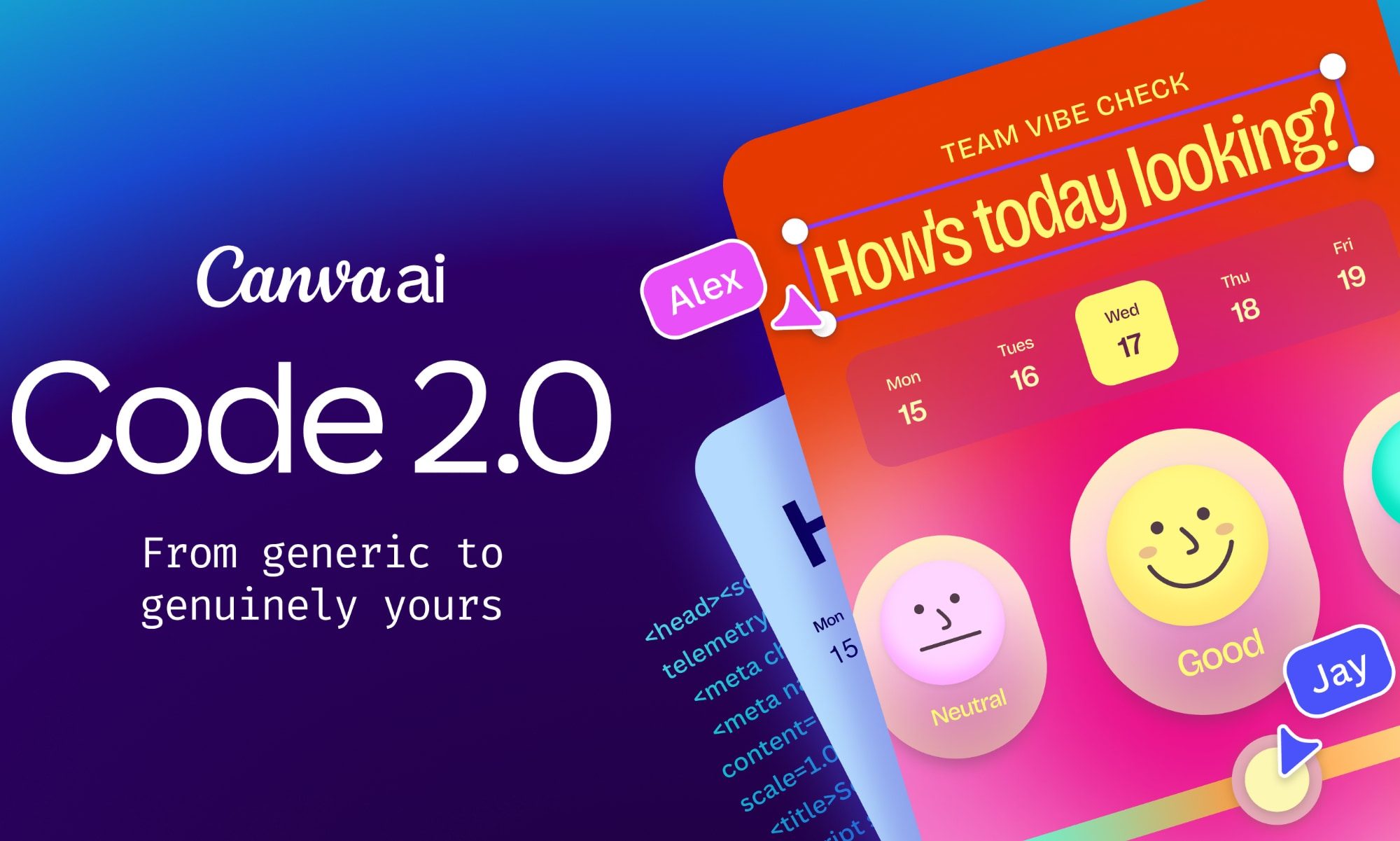
Canva Code 2.0 just made vibe coding way less intimidating for everyone
Canva Code 2.0 feature

Coding used to be reserved for developers who spent years learning complex languages. That has slowly changed with vibe coding, which lets you build apps and websites using simple, plain-language prompts. 

The problem is that most of these tools still feel intimidating for regular folks, as they still need to understand the code to make any meaningful changes. If not, everything you make tends to look the same.

Read more
Windows users can finally pick when updates stop with Microsoft’s latest patch
From pausing updates on your own schedule to rolling back a broken PC in one click, here's everything new in Windows 11's July 2026 update.
Windows 11 Laptop

Patch Tuesday updates are usually a shrug-and-install affair, but Microsoft's July 2026 release actually gives you something to be excited about.

You can grab this update, tagged KB5101650, right now through Settings, or manually via the Microsoft Update Catalog if you'd rather not wait for it to roll out.

Read more
Can AI audiobooks narrate better than humans? This study says many listeners think so
New study finds listeners favor AI narrated audiobooks over traditional human narration in blind testing.
Audiobooks on Spotify on an iPhone.

You might assume most listeners would pick a real human voice over a synthetic one, but a new study says otherwise. Edison Research at SSRS surveyed 1,005 fiction audiobook fans in May 2026 for a study commissioned by AI audio company Spoken. The twist is that listeners rated the AI narration higher, and they did not even know it was AI until after they heard it (via Variety).

Why listeners favored the AI narration

Read more