1. Home
  2. Cars
  3. News

To protect drivers, F1 wants to give cars ‘Halos’

Add as a preferred source on Google

The deaths of Jules Bianchi and IndyCar driver Justin Wilson have led Formula One to consider a major rethink of racecar safety. Concerns over driver head injuries could push F1 to add canopies or screens to its open-topped cars for the first time ever.

Officials are considering a canopy design known as the “Halo” as part of sweeping changes to car-design rules set to take effect in 2017, according to Motorsport. The canopy wouldn’t fully enclose a car’s cockpit, but it would provide significant protection from airborne debris, advocates say.

Recommended Videos

Some form of “Halo” has already been mandated for the 2017 season, the report says, but the design hasn’t been finalized. It will most likely have a semi-circular piece surrounding the driver’s head (hence the name “Halo”), with an upright piece in front of the driver to support it. Debate now seems to center on whether the structure should be enclosed around the front with some kind of clear material, or left open.

Seemingly small details like this can ignite big arguments among F1’s teams and officials, and in fact the windscreen won’t be ready for 2017. The matter will be further discussed at an upcoming Technical Regulations Meeting, and teams want to test the windscreen concept to make sure it provides a real benefit. The Halo itself is a go, though.

The death of Justin Wilson from head injuries sustained during a collision with another during an IndyCar race last year have intensified calls for greater driver protection. But the use of closed cockpits in F1 has been criticized because of other potential safety issues. There have been concerns that drivers may not be able to get out of cars fast enough in emergencies, or that rescue workers may waste too much time removing canopies.

First proposed by Mercedes-Benz, the Halo is supposed to address those concerns with its open-topped design. It won’t be the only significant change on the F1 grid for 2017. New rules are expected to affect everything from aerodynamics to engine performance, in an effort to make F1 cars faster, and generally more exciting.

Stephen Edelstein
Stephen is a freelance automotive journalist covering all things cars. He likes anything with four wheels, from classic cars…
Google Maps’ biggest Android Auto upgrade is reaching more users
Google Maps is finally giving Android Auto users directions with a little more drama.
Electronics, GPS, Car

Google is widening the rollout of two long-awaited Google Maps features for Android Auto users: Immersive Navigation and a built-in live speedometer. After months of limited availability, reports suggest both features are now reaching a broader group of users, including people running stable versions of Google Maps instead of beta builds.

The update is part of Google's ongoing effort to modernize the Android Auto navigation experience. While the company unveiled Immersive Navigation earlier this year as one of the platform's biggest upgrades in years, the feature has been trickling out slowly, leaving many users without access. That appears to be changing, with more devices now receiving the update through a server-side rollout.

Read more
Tesla’s hidden door problem might end up fixing every car in America
This could permanently change how emergency exits are designed in American passenger vehicles.
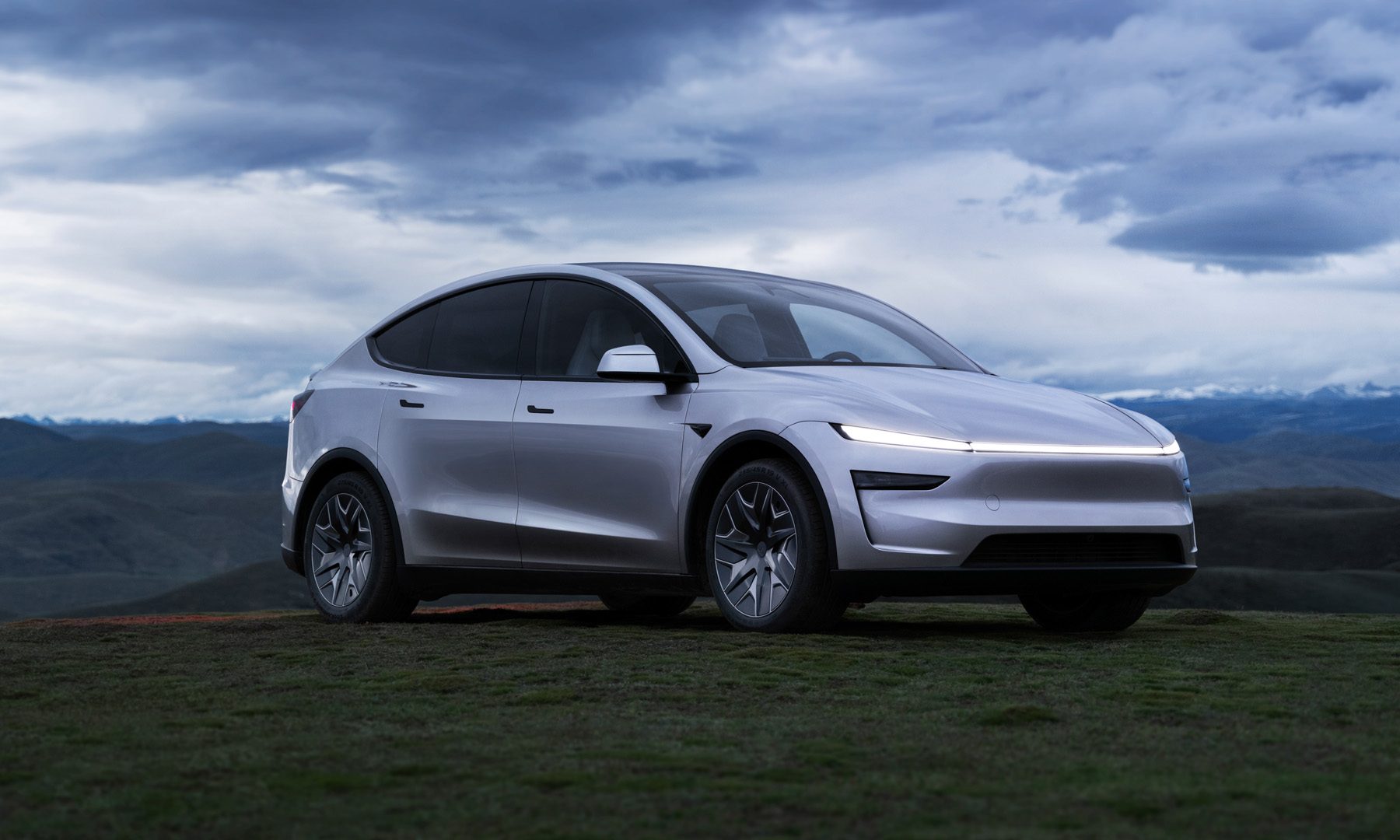
Tesla Model Y Long Wheelbase Featured

Tesla's electronic door handles have been a safety talking point for years, mostly on Reddit threads and EV forums where people debate whether sleek design is worth the tradeoff when a car is on fire and power is out. 

Now the US government has formally weighed in (via The Washington Post). The outcome, I’d say, is bigger than most people think.

Read more
Ford’s UEV platform will feature Apple Maps built in
The integration will run through Apple's new MapKit for Automotive SDK and skip CarPlay's phone-mirroring approach.
Car, Transportation, Vehicle

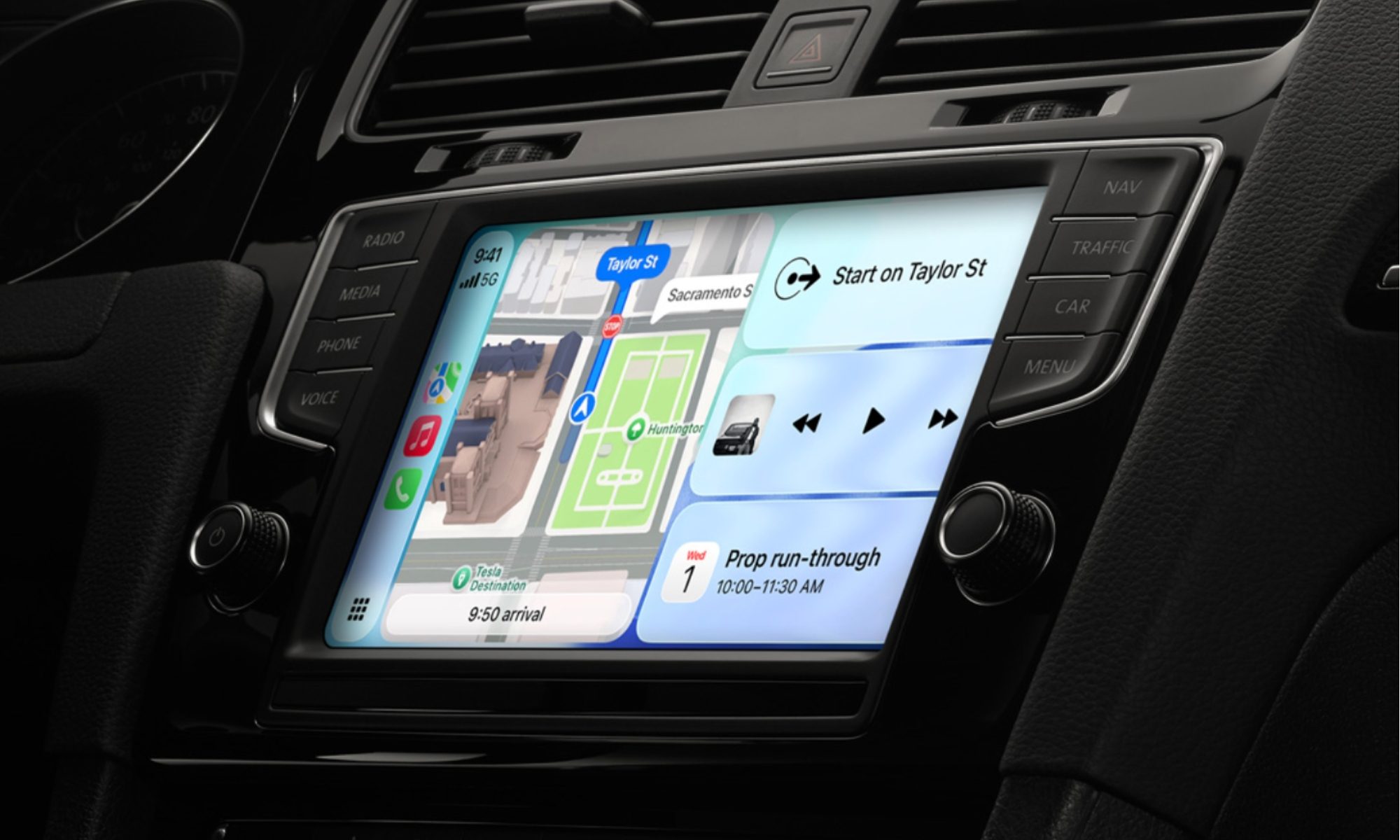
Ford's upcoming budget electric vehicle won't force you to choose between a built-in map and one borrowed from your phone. Apple announced today that Ford's Universal Electric Vehicle (UEV) platform will ship with Apple Maps running natively on the car's screens. The feature will arrive in 2027 through Apple's new MapKit for Automotive SDK, a toolkit that lets automakers build Apple Maps straight into their dashboards.

An infotainment system that doesn't need your phone plugged in

Read more