1. Home
  2. Emerging Tech
  3. Smart Home
  4. News

The Sleep Guardian Plus gently wakes kids up before they enter nightmare territory

Add as a preferred source on Google

When kids have nightmares, parents are often stuck feeling helpless in the moment and then sleepless the next day. That’s why a smart device called the Sleep Guardian Plus aims to keep kids from ever reaching the night terror sleep phase, without waking them up completely in the middle of the night.

As you may have guessed from the name, the Sleep Guardian Plus is actually a new-and-improved version of the original device. Designed by San Francisco-based creator Lully, the Sleep Guardian Plus is a smaller device, and its nightmare detection algorithm is even further improved. While hiding discretely under the mattress, the device learns children’s sleep patterns so that it can gently vibrate about ten minutes before they enter night terror territory. Because it activates before the nightmares begin and it only partially wakes kids up, children are able to sleep through the night with minor interruption.

Recommended Videos

The algorithm that powers Sleep Guardian Plus collects data so that parents can best help their terrified children. It provides weekly assessments of the child’s sleep patterns, tracks improvement in avoiding nightmares, and can help determine what ambient factors might be triggering the night terrors to begin with. Apparently, most kids experience 80% fewer night terrors within four weeks of using the Sleep Guardian Plus technology.

Conceptually, Sleep Guardian Plus bases its effectiveness in a series of sleep studies that focus on children. Children tend to have higher “sleep pressure” than adults, so it’s easier for them to return to deep sleep from partial stirring in the night. The Sleep Guardian Plus website cites a 1988 study that demonstrated how scheduled awakenings could reduce up to 90% of nightmares in kids. And what’s more, Lully is hoping that kids who get through the night with Sleep Guardian Plus are also able to improve their daytime functioning and limit daytime drowsiness based on research in sleep studies like these.

Lully raised $2.1 million in seed funding to bring the Sleep Guardian to market, and it has clearly done well enough since launching in June 2015 to merit a new and improved version not even a year later. Sleep Guardian Plus is currently available for $199, and it works with devices running iOS 7 and higher in order to get the full data tracking and analysis functionality.

Chloe Olewitz
Former Digital Trends Contributor
Chloe is a writer from New York with a passion for technology, travel, and playing devil's advocate. You can find out more…
Samsung’s humanoid robot ambitions are real, but factories come first
Samsung’s new robotics division has humanoids in its sights, although its immediate business is far more practical factory automation
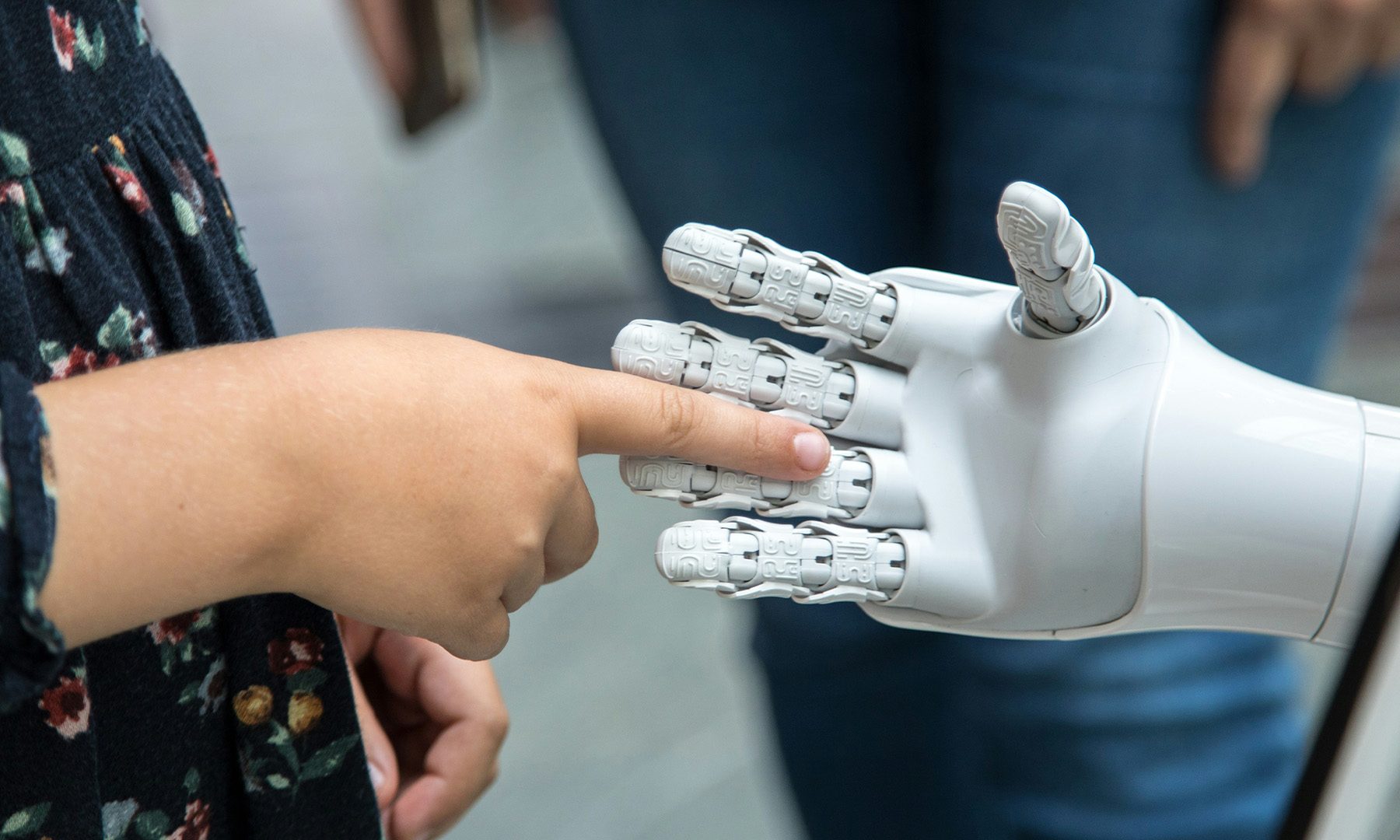
Robot Touch Human Finger

Samsung wants a place in the humanoid race, but its new robotics push begins with machines built for factories rather than homes.

The CEO-led RX robotics division will initially focus on manufacturing robots. Samsung has separately identified humanoids as a priority, although it hasn’t announced a commercial model or explained where one fits into the division’s immediate plans.

Read more
The future of AI may depend on this one behind-the-scenes change
Running Claude on Android.

Whenever a new AI model arrives, it's easy to get caught up in the bells and whistles. We talk about how much smarter it is, how quickly it answers questions, or how realistic its images have become. But here's the thing: none of that matters much if the AI can't reliably work with the apps and services people use every day.

That's why an upcoming update to the Model Context Protocol (MCP) caught my attention. It isn't a new chatbot or a fancy AI model. In fact, most people will never even know it's happening. But it could quietly make the AI ecosystem a lot healthier. If you've never heard of MCP before, don't worry. Think of it as a shared language that lets AI assistants safely talk to apps like Gmail, Slack, calendars, databases, and countless other services. Instead of every company inventing its own way to make those connections, MCP gives everyone a common rulebook.

Read more
The AI game-dev boom has a dark side: fewer jobs for the people starting out
Solo creators are thriving with tools like Claude Code and Copilot, but entry-level game roles are disappearing.
Man playing a video game on a desktop with glowing red and blue lights

AI is making it easier than ever for a single person to build a game. That sounds like a win for creativity, and in many ways, it absolutely is. But there is a catch. As generative AI tools help solo developers and small studios do more with fewer people, the same shift is making life tougher for writers, artists, concept creators, and junior programmers trying to break into the gaming industry.

AI is giving solo developers superpowers

Read more