1. Home
  2. Phones
  3. Business
  4. Mobile
  5. News

Verizon brings back the 24GB per line for life promotion

Add as a preferred source on Google

It seems like Verizon’s promotion — which gave customers 24GB of extra data per year per line for free in addition to their XL or XXL data allowance — was popular enough to see the light of day again.

Update on 02/16/2016 by Julian Chokkattu: Tweaked wording to clarify that users will need to activate or upgrade to a new phone with a device payment plan to get the 2GB of additional data.

Recommended Videos

Verizon is bringing back the promo to new and existing customers who activate or upgrade to a new phone with a device payment plan on XL, XXL, or bigger phone data plan. As a refresher, the XL plan begins at $80 per month for 12GB of data. The XXL plan gives you 18GB of data for $100.

There are some restrictions as to how you can access that free 24GB of data. Verizon gives it to you in the form of 2GB per month, added onto your XL or XXL data plan, and it’s shareable with the other members in your family plan. What’s neat is the additional 2GB extends to each member’s line, and best of all, the promo will stay with you as long as you don’t change carriers and stick with Big Red for life.

So if it was just you, the additional data on an XL plan would give you 14GB per month, instead of 12GB, and the XXL plan would give you 20GB after the promo. But if you’re in a family of four, each person gets an additional 2GB added to the data pool to share with the rest of the family, which comes out to be 96GB of additional shared data in a year.

The promo was last offered in December and ended on January 6. It’s available again now, but only for a limited time. Big Red is also still offering the promo that lets consumers earn up to $650 per line to cover the cost of switching to its network.

If you’re trying to decide which carrier is best for you and your family, check out our family plan guide, which compares T-Mobile, AT&T, Sprint, and Verizon.

Julian Chokkattu
Former Mobile and Wearables Editor
Julian is the mobile and wearables editor at Digital Trends, covering smartphones, fitness trackers, smartwatches, and more…
The EU says TikTok still isn’t doing enough to protect kids
Regulators say the platform's privacy settings don't go far enough under the Digital Services Act.
TikTok Creative Featured

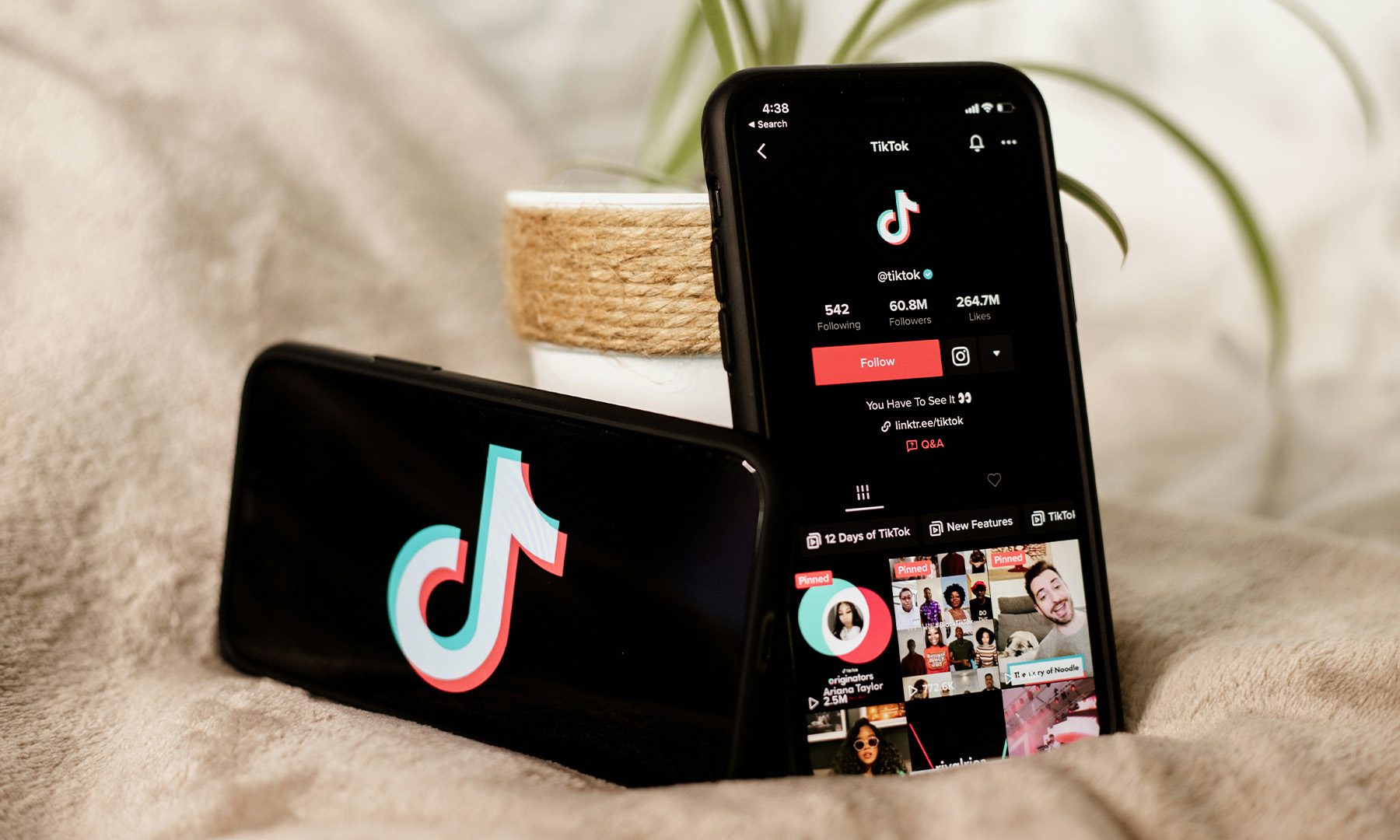
The European Commission has accused TikTok of falling short on protecting minors, saying the platform's current account settings don't meet the child safety standards required under the Digital Services Act (DSA). The findings are preliminary, but if upheld, TikTok could face a fine of up to 6% of its global annual revenue.

Why the EU thinks TikTok isn't doing enough

Read more
Qualcomm is set to ratchet up chip prices in September, and your next gadget upgrade could bear the brunt
The price hike could touch every Snapdragon-powered device category.
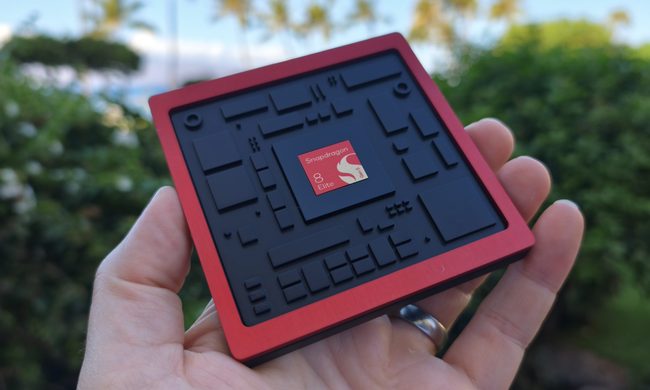
The new Qualcomm Snadragon 8 Elite Gen 5

I want you to sit with this for a second. Qualcomm, the company whose Snapdragon chips sit inside your Android phone and tablet, your Windows laptop, your Meta smart glasses, your Galaxy Watch, and your wireless earbuds, reportedly sent a letter to every major customer telling them prices are going up by double digits. 

The price hike will be in effect from September 1, 2026, a recent Bloomberg report claims. Essentially, all the companies placing their chip orders after that will pay a higher price. 

Read more
Enter the wrong PIN 13 times and your Galaxy phone is locked for good
New Galaxy phones will require a factory reset after 13 failed unlock attempts
Samsung Galaxy S26 Ultra smartphone in blue color.

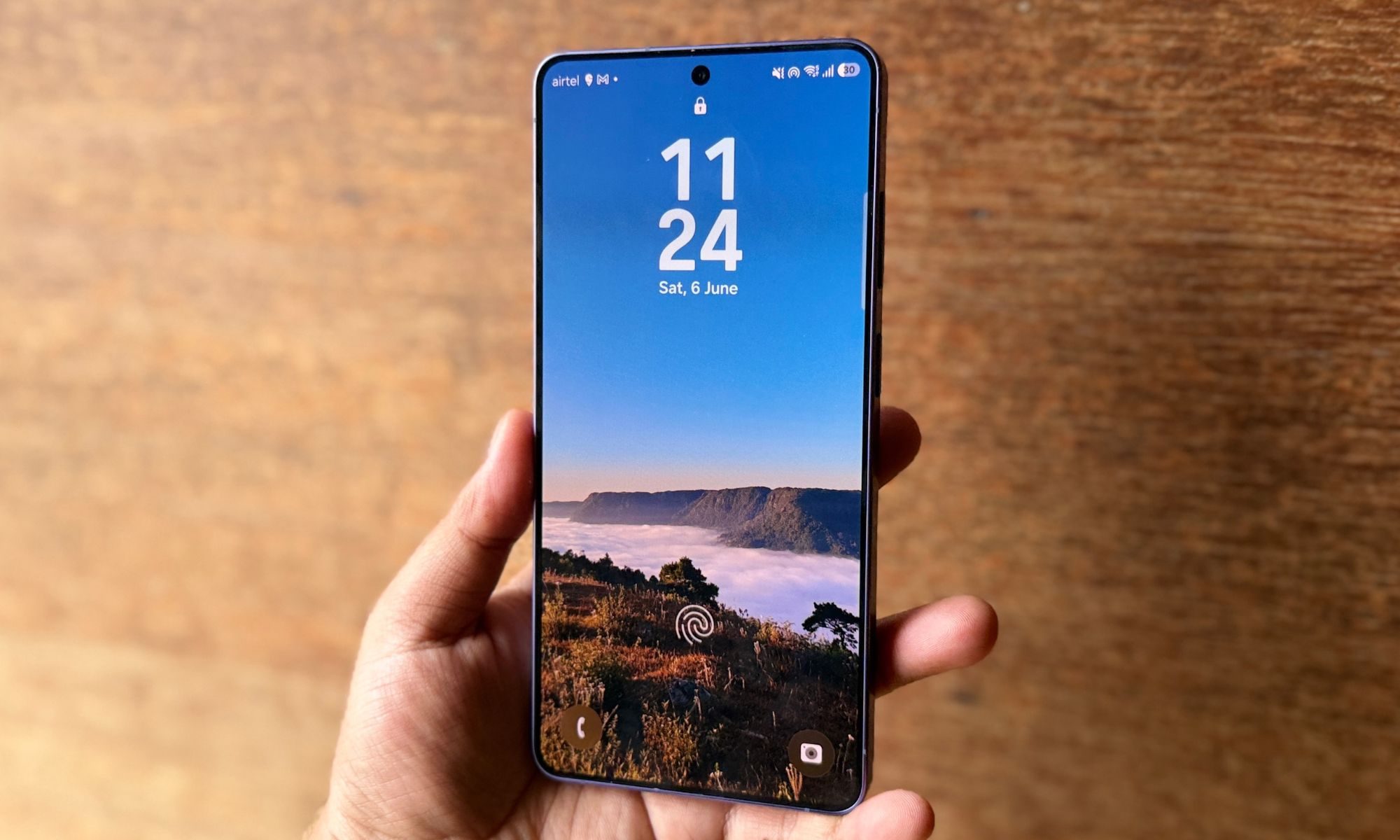
Samsung is making the lock screen much harder to break on Galaxy devices launching with Android 17-based One UI 9. Enter the wrong PIN, pattern, or password 13 times, and the phone will stop accepting attempts. A full factory reset will then be the only way to use it again.

The change is designed to stop brute-force attacks, where someone repeatedly guesses different passwords until one works. It is a major shift from older One UI versions, which mainly relied on temporary waiting periods rather than a mandatory final lockout.

Read more