1. Home
  2. Emerging Tech
  3. News

Fearing a possible GPS outage, the U.S. Navy resumes teaching celestial navigation

Add as a preferred source on Google

Stargazing hasn’t been a popular method of navigation for decades now, but the US Navy is about to change that with a surprising update to its curriculum. With an eye towards security and decreasing reliance on GPS technology, Navy officers are now being trained in celestial navigation. That way, even if the military’s GPS satellites are knocked out of commission in any way, Navy officers will still be able to navigate across the seas accurately.

Until about the 1970s, celestial navigation was still one of the main methods of course charting and location tracking for Navy officers. The US military began launching GPS satellites into orbit in the 70s, and the Navy made an official transition from celestial navigation to electronic systems in the year 2000. Now, the Navy’s version of Google Maps is the Voyage Management System. It uses a number of tools including GPS and radar technology to accomplish complex navigation and ship charting in the ocean.

Recommended Videos

But GPS technology, for all its benefits and goofy in-car navigation commercials, is also extremely vulnerable. In a situation of war, the United States’ GPS satellites could theoretically be shot down or knocked out of orbit. More likely, the military’s GPS signal could be hacked and manipulated, or even jammed completely. The vulnerability of GPS has caused concern for military groups that rely heavily on its accessibility: “We use it to synchronize all military operations, we use it to navigate everywhere – it’s just something the US military can’t live without”, said former Air Force officer Brian Weeden.

Weeden now works with the Secure World Foundation, a nonprofit organization dedicated to security issues that occur in our outer space activities. According to him, Russian and Chinese developers likely already have the capability to jam the specific GPS signal used by the US military. And even without foul play, anyone with a GPS navigation in their car or on their smart phone can tell you that devices act up, and accidents happen. At least once in the last 10 years, a Navy ship ran aground in part due to GPS issues. The Navy hopes that the curriculum change will encourage a deeper understanding of celestial navigation so that if anything should go wrong with GPS technology, officers will still be able to stay safe and carry out missions.

Chloe Olewitz
Former Digital Trends Contributor
Chloe is a writer from New York with a passion for technology, travel, and playing devil's advocate. You can find out more…
Samsung’s humanoid robot ambitions are real, but factories come first
Samsung’s new robotics division has humanoids in its sights, although its immediate business is far more practical factory automation
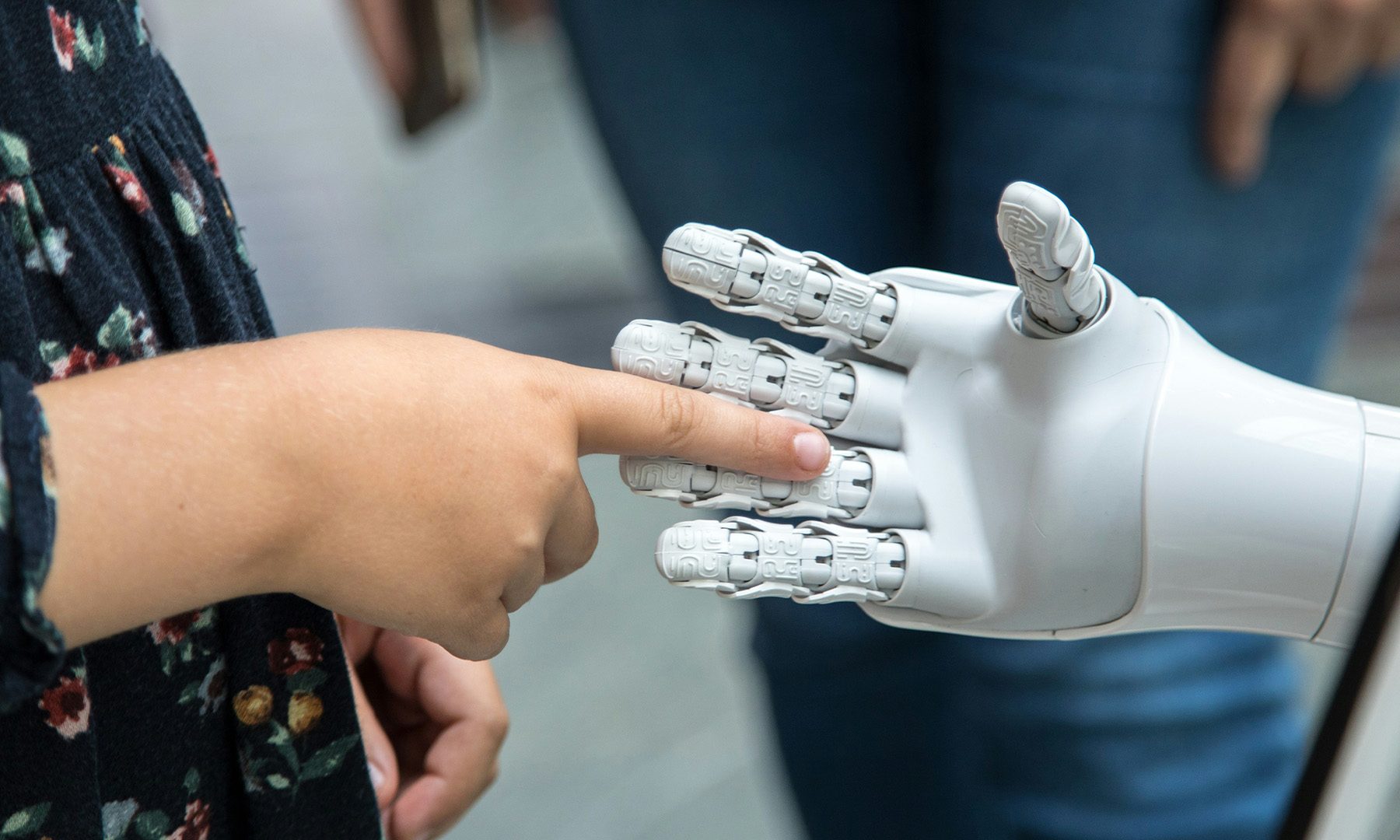
Robot Touch Human Finger

Samsung wants a place in the humanoid race, but its new robotics push begins with machines built for factories rather than homes.

The CEO-led RX robotics division will initially focus on manufacturing robots. Samsung has separately identified humanoids as a priority, although it hasn’t announced a commercial model or explained where one fits into the division’s immediate plans.

Read more
The future of AI may depend on this one behind-the-scenes change
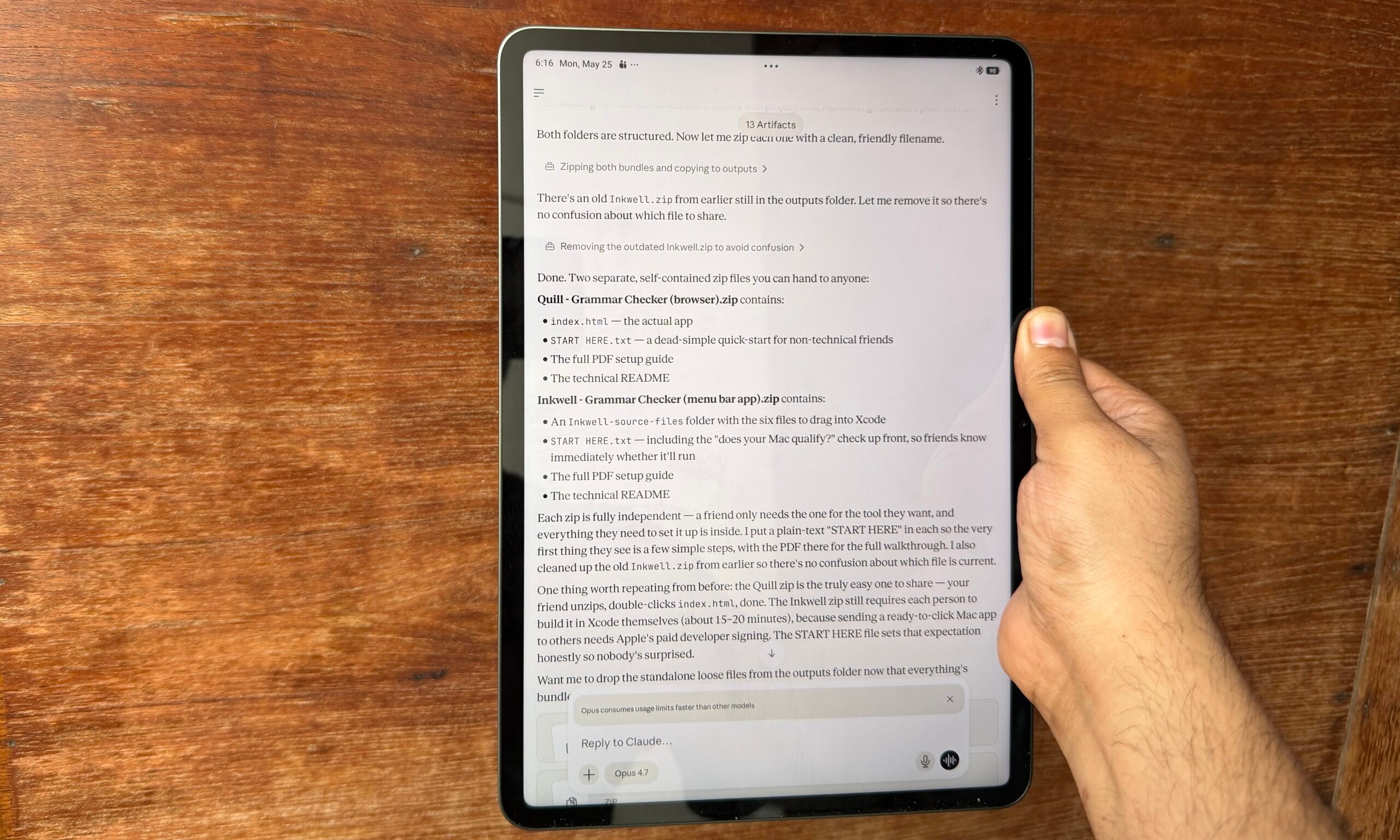
Running Claude on Android.

Whenever a new AI model arrives, it's easy to get caught up in the bells and whistles. We talk about how much smarter it is, how quickly it answers questions, or how realistic its images have become. But here's the thing: none of that matters much if the AI can't reliably work with the apps and services people use every day.

That's why an upcoming update to the Model Context Protocol (MCP) caught my attention. It isn't a new chatbot or a fancy AI model. In fact, most people will never even know it's happening. But it could quietly make the AI ecosystem a lot healthier. If you've never heard of MCP before, don't worry. Think of it as a shared language that lets AI assistants safely talk to apps like Gmail, Slack, calendars, databases, and countless other services. Instead of every company inventing its own way to make those connections, MCP gives everyone a common rulebook.

Read more
The AI game-dev boom has a dark side: fewer jobs for the people starting out
Solo creators are thriving with tools like Claude Code and Copilot, but entry-level game roles are disappearing.
Man playing a video game on a desktop with glowing red and blue lights

AI is making it easier than ever for a single person to build a game. That sounds like a win for creativity, and in many ways, it absolutely is. But there is a catch. As generative AI tools help solo developers and small studios do more with fewer people, the same shift is making life tougher for writers, artists, concept creators, and junior programmers trying to break into the gaming industry.

AI is giving solo developers superpowers

Read more