1. Home
  2. Cars
  3. Photo Galleries
  4. News

Mazda’s all-new CX-9 earns best-in-class fuel economy of 25 combined mpg

Add as a preferred source on Google

Mazda has announced the EPA-estimated fuel economy figures for its 2016 CX-9 crossover, and the word of the day is efficiency.

Thanks in large part to its lighter SKYACTIV platform and turbocharged motor, the midsize model achieves ratings of 22 mpg city/28 mpg highway/25 mpg combined, when equipped with front-wheel drive. These numbers make the new CX-9 the most efficient in its class. That class, to be specific, is for non-hybrid, three-row, midsize crossovers.

Should all-wheel driver performance be your thing, the CX-9 still manages excellent numbers at 21 city, 27 highway, and 23 combined mpg. By comparison, the second generation CX-9 is 32 percent more efficient than the first generation.

“SKYACTIV Technology once again demonstrates there’s no need to compromise between driving enjoyment and frugality — even when it comes to hauling around your family,” said Robert Davis, senior vice president of U.S. operations. “CX-9 elevates our brand with a host of new, advanced technology and luxury features but stays true to our company principles: lightweight, fun to drive, stylish and purposeful.”

Under the CX-9’s sleeker hood is a new SKYACTIV-G 2.5-liter turbocharged four-cylinder making 250 horsepower and 310 pound-feet of torque (on 93 octane fuel). Though down 21 horses from the previous CX-9, the extra torque and 200 pounds of weight reduction (300 in AWD spec) mean greater performance and nimbler handling. Unique to Mazda’s new engine is its Dynamic Pressure Turbo with a cooled EGR (exhaust gas recirculation) to lower engine temperatures without adding extra fuel.

Mazda’s optional predictive i-ACTIV all-wheel drive can sense a loss in traction by measuring road and vehicle conditions more than 200 times per second via 27 sensors, which is approximately the same sensitivity as a vulnerable impala taking a sip of water in the savanna.

On a more subjective note, the new CX-9 is one of the more handsome models on the market, so the complement of leading fuel economy figures should help the crossover sell quite well come this summer.

Miles Branman
Miles Branman doesn't need sustenance; he needs cars. While the gearhead gene wasn't strong in his own family, Miles…
Your next car’s software update could become its biggest security risk
Your next car could receive updates like your smartphone. That's also becoming a cybersecurity nightmare.
OTA technology allows manufacturers to remotely deliver software updates.

Modern cars are no longer machines that stay the same after they leave the showroom. Increasingly, they're becoming software-defined vehicles that receive new features, bug fixes, and security patches wirelessly, much like smartphones. But while over-the-air (OTA) updates have made vehicle maintenance easier and cheaper, cybersecurity experts are warning that the same technology could also become one of the automotive industry's biggest security challenges.

Researchers and policymakers are now calling for stronger oversight as connected vehicles become increasingly dependent on remote software updates. Their concern isn't just about hackers stealing personal data. It's about someone potentially interfering with the operation of a moving vehicle.

Read more
This sleek Chinese EV pairs supercar styling with three AI brains
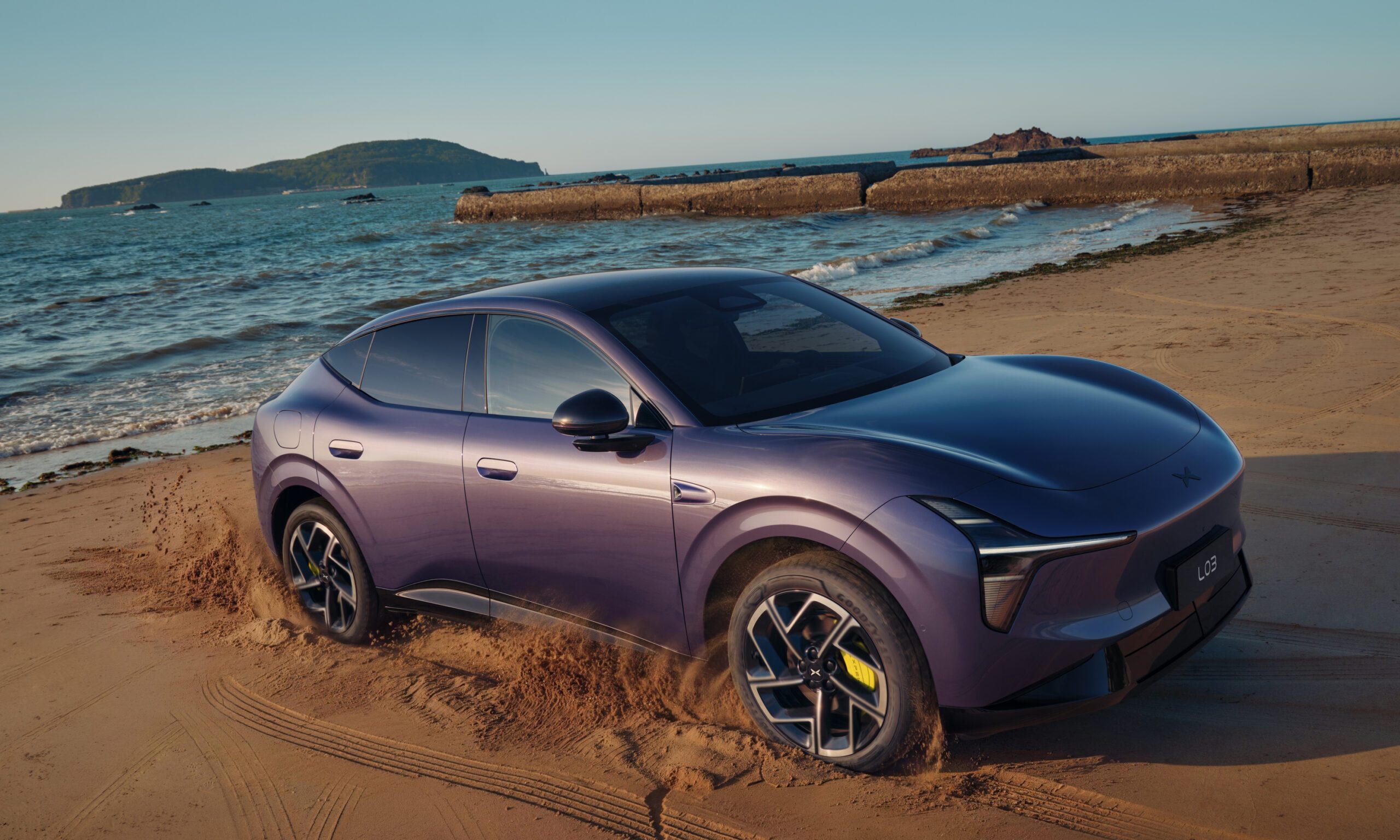
The Xpeng L03 is an AI supercomputer disguised as a stylish family SUV
Xpeng L03

Xpeng’s latest electric vehicle carries enough processing power to make the term "smart car" actually sound more realistic than it actually is. The new Xpeng L03 debuted simultaneously in Europe and China on July 16, with the company presenting it across 65 markets. Available as a fully electric vehicle and an L03 Power X range-extender, the coupe-SUV is Xpeng’s most internationally focused model so far. Market-specific prices and sales dates remain unannounced.

Three AI chips and Google Maps built right in

Read more
A new sodium battery posts wild four-minute charging numbers, but don’t expect it in an EV yet
The breakthrough could improve fast charging and battery life, but the study hasn’t demonstrated those results in a production-sized pack
EV Charger

A new sodium-metal battery has posted a charging number that makes today’s EVs look painfully slow. In laboratory testing, the cell operated at a 15C rate, equivalent to completing a charge or discharge in roughly four minutes.

That doesn’t mean researchers plugged in an electric car and watched it fill up before the driver finished buying coffee. The result came from a small experimental cell using a new quasi-solid electrolyte, while the larger pouch-cell prototype delivered far less dramatic performance.

Read more