1. Home
  2. Phones
  3. Android
  4. Mobile
  5. Photography
  6. News

This is the super dual pixel camera sensor inside your flashy new Galaxy S7

Add as a preferred source on Google

Now the Galaxy S7 and S7 Edge have been revealed to the world, Samsung has decided to show off the brand new camera sensor that resides in both phones, despite it already being in mass production, and about to be in the hands of eager new phone owners. The sensor is special because of its dual pixel technology, which Samsung says makes amazing, DSLR-quality low-light images possible using a smartphone.

Samsung certainly made a big deal out of the camera technology inside the Galaxy S7 during the Barcelona launch event, repeatedly comparing it to the iPhone 6S Plus, and showing side-by-side images where the new S7 easily bested the existing Apple phone. Subsequently, a demonstration at Samsung’s Mobile World Congress booth showed just how deeply impressive the new cameras are, by getting visitors to snap pictures in a very dark room. The results outclassed the S6 Edge, and the iPhone 6S Plus in an on-the-spot test, with the S7’s camera showing considerably more detail with less noise than the other phones.

Recommended Videos

The dual pixel sensor uses larger pixels that the Galaxy S6’s camera, and has an f/1.7 aperture, making it on paper one of the best performing cameras available. The incredibly fast phase detection autofocus makes use of 100-percent of the pixels, which also helps in producing brilliant pictures, even in low light. Finally, the 12-megapixel camera sensor is smaller and sleeker than before, minimising the impact it has on the design of the device itself.

In our reviews of the Galaxy S7 and S7 Edge, we put Samsung’s claims to the test, and have noted the excellent job it does in low light, plus how favourably it compares to the iPhone 6S. If you haven’t already pre-ordered a Galaxy S7, there’s still a few days before the official release, which means you can grab a free Samsung Gear VR headset to go with your sparkly new phone.

Andy Boxall
Andy has written about mobile technology for almost a decade. From 2G to 5G and smartphone to smartwatch, Andy knows tech.
The Minimal Phone 2 looks dramatically better than the original, and I’m genuinely here for it
Plastic is out, metal is in, and Minimal Phone 2's renders suggest the digital detox phone concept finally has the hardware to match its ambition.
Electronics, Mobile Phone, Phone

I've been following the Minimal Phone since its initial crowdfunding days. The first iteration had the right idea trapped inside the wrong body, I’d say. Plastic build, no 5G, an underwhelming camera, and e-paper ghosting that frustrated early adopters; all these issues kept the phone from reaching a wider audience. 

Now, founder Armen Youssefian has posted what appears to be a 360-degree render of the Minimal Phone 2 on X, and from what I can see, the team has done its homework.

Read more
The EU says TikTok still isn’t doing enough to protect kids
Regulators say the platform's privacy settings don't go far enough under the Digital Services Act.
TikTok Creative Featured

The European Commission has accused TikTok of falling short on protecting minors, saying the platform's current account settings don't meet the child safety standards required under the Digital Services Act (DSA). The findings are preliminary, but if upheld, TikTok could face a fine of up to 6% of its global annual revenue.

Why the EU thinks TikTok isn't doing enough

Read more
Qualcomm is set to ratchet up chip prices in September, and your next gadget upgrade could bear the brunt
The price hike could touch every Snapdragon-powered device category.
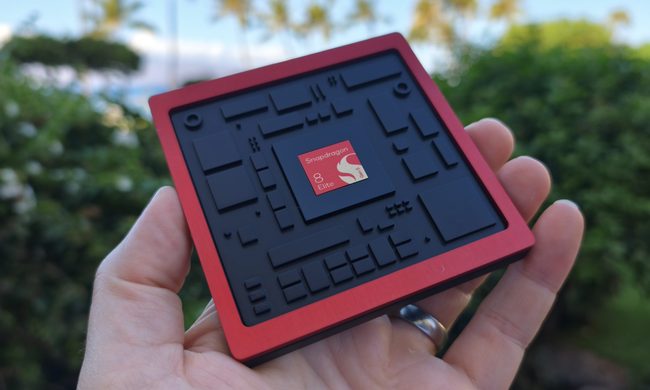
The new Qualcomm Snadragon 8 Elite Gen 5

I want you to sit with this for a second. Qualcomm, the company whose Snapdragon chips sit inside your Android phone and tablet, your Windows laptop, your Meta smart glasses, your Galaxy Watch, and your wireless earbuds, reportedly sent a letter to every major customer telling them prices are going up by double digits. 

The price hike will be in effect from September 1, 2026, a recent Bloomberg report claims. Essentially, all the companies placing their chip orders after that will pay a higher price. 

Read more