1. Home
  2. Emerging Tech
  3. News

ParaZero drone parachute deploys automatically when your UAV starts falling

Add as a preferred source on Google

When it comes to drones, crashes and accidents can mean a whole lot of hardware damage. From hobbyist drone operators to industry security drones, a downed drone could mean a big financial loss or even a critical security breach. That’s why ParaZero created SafeAir — an autonomous parachute that deploys in less than a second, even at low altitudes, to glide crashing drones to safety and protect things below from unnecessary damage.

ParaZero likens its chute system to an airbag for drones. A capsule containing the parachute is mounted onto the body of the drone, while an array of embedded sensors look out for critical flight malfunctions or loss of power. That way, the parachute can deploy even if a human operator isn’t standing by to trigger it. Plus, since the parachute deploys completely in less than one second, SafeAir even works at low altitudes.

ParaZero Intro

Of course, unless your drone is on a joy ride in an open field, there is also a risk of crashing into property –or even people– if something goes awry mid flight. SafeAir prevents this kind of damage and the probable lawsuits that would follow. “It’s clear that drones are set to play a major role in our future, whether they are used as aerial cameras, rapid delivery systems, or for private enjoyment. In light of this, ensuring that these devices are operated safely and protecting individuals and property on the ground is paramount” said Eden Attias, CEO of ParaZero.

Recommended Videos

SafeAir is designed to be adaptable for use in small entertainment drones and heavy-duty commercial drones alike. The currently available SafeAir system is specifically geared towards hobbyist drone operators, but ParaZero has its sights set on the professional drone industry as well. As regulations on drone flight for any type of use develop and grow, ParaZero hopes that their SafeAir parachute system will keep people, drones, and property out of harm’s way.


Chloe Olewitz
Former Digital Trends Contributor
Chloe is a writer from New York with a passion for technology, travel, and playing devil's advocate. You can find out more…
Yet another study says AI is bad for elections, and the rabbit hole gets worse
AI may be an election bomb waiting for someone to light the fuse
Voters cast their ballots on Election Day

Another election, another study has concluded that asking an AI chatbot for political guidance is a spectacularly bad idea. Research conducted during Hungary’s 2026 parliamentary election found that ChatGPT and Google Gemini offered not just inaccurate but also inconsistent and unreliable voting advice. The chatbots misclassified voter profiles, overlooked relevant parties, recommended parties absent from the ballot, and sometimes produced materially different answers when given the same information repeatedly.

AI keeps failing the voter test

Read more
Samsung’s humanoid robot ambitions are real, but factories come first
Samsung’s new robotics division has humanoids in its sights, although its immediate business is far more practical factory automation
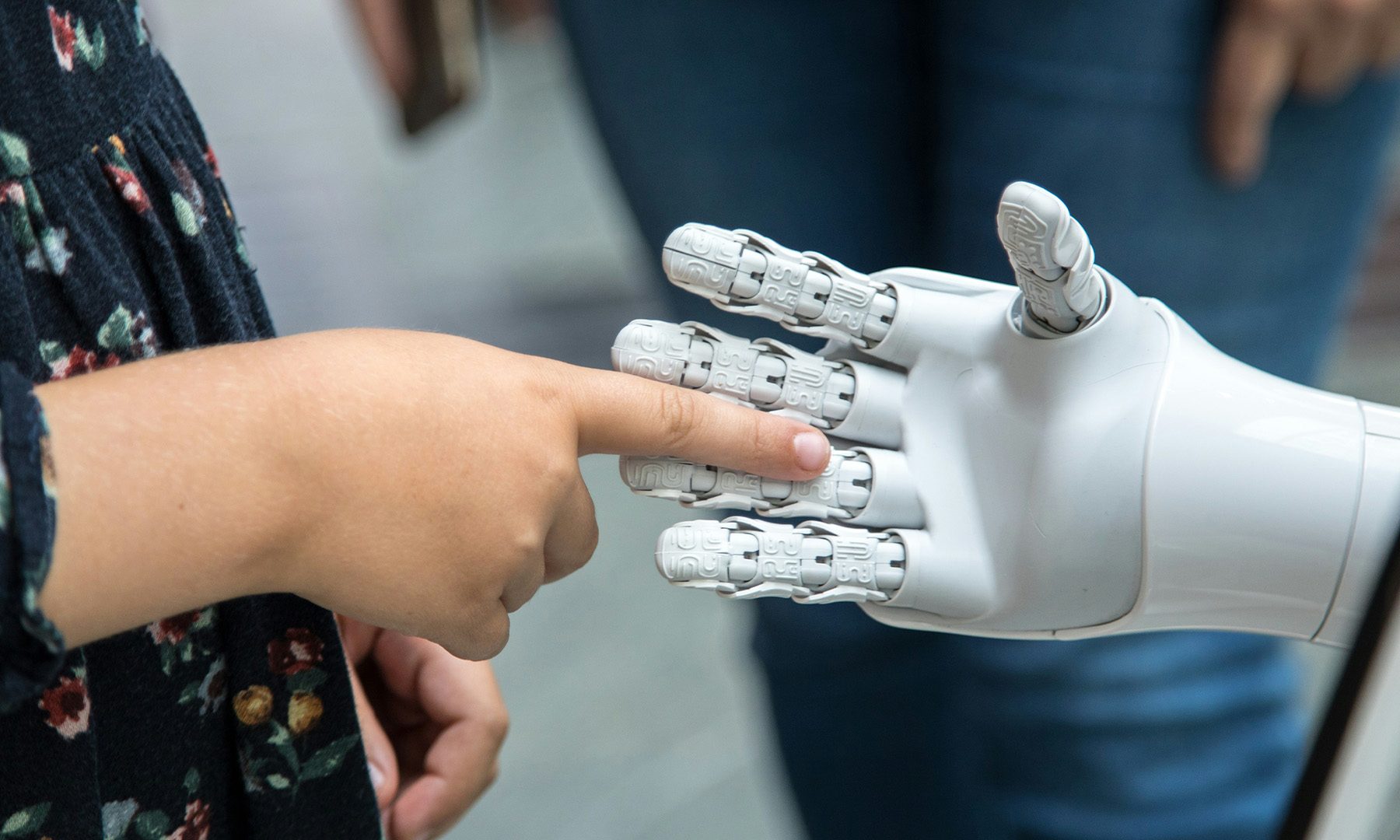
Robot Touch Human Finger

Samsung wants a place in the humanoid race, but its new robotics push begins with machines built for factories rather than homes.

The CEO-led RX robotics division will initially focus on manufacturing robots. Samsung has separately identified humanoids as a priority, although it hasn’t announced a commercial model or explained where one fits into the division’s immediate plans.

Read more
The future of AI may depend on this one behind-the-scenes change
Running Claude on Android.

Whenever a new AI model arrives, it's easy to get caught up in the bells and whistles. We talk about how much smarter it is, how quickly it answers questions, or how realistic its images have become. But here's the thing: none of that matters much if the AI can't reliably work with the apps and services people use every day.

That's why an upcoming update to the Model Context Protocol (MCP) caught my attention. It isn't a new chatbot or a fancy AI model. In fact, most people will never even know it's happening. But it could quietly make the AI ecosystem a lot healthier. If you've never heard of MCP before, don't worry. Think of it as a shared language that lets AI assistants safely talk to apps like Gmail, Slack, calendars, databases, and countless other services. Instead of every company inventing its own way to make those connections, MCP gives everyone a common rulebook.

Read more