1. Home
  2. Emerging Tech
  3. Health & Fitness
  4. News

New implantable device alleviates pain by tricking your brain with electrical pulses

Add as a preferred source on Google

The abuse and overuse of prescription pain medicine is a growing problem, especially in the United States. To help reduce patients’ reliance on opiates and other powerful pain medicines, a research team from the University of Texas at Arlington has been working on an alternative method for controlling pain — electrical stimulation of the brain.

The UTA researchers are not the first ones to explore electrical stimulation as a way of managing pain. There already exists an experimental class of similar wearable devices that take advantage of the technique known as transcutaneous electrical nerve stimulation, or TENS. These devices deliver small and painless electrical pulses to your nerves via electrodes placed on your skin. The pulses are designed to confuse your nerves and cancel out the pain signal they’re sending to your brain — thereby providing instant pain relief to the area of the body on which the electrodes are placed.

Recommended Videos

The UTA device takes this technique a step further by working at the level of the spinal cord, blocking pain signals so they don’t ever reach the brain. “This is the first study to use a wireless electrical device to alleviate pain by directly stimulating the ventral tegmental area of the brain,” said Yuan Bo Peng, UTA psychology professor.

UTA’s device was developed out of a personal experience with pain by researcher J.C. Chiao, who suffers from pain due to slipped discs and pinched nerves in his back and neck. He also watched his uncle struggle with pain management during cancer treatment, giving him additional motivation to pursue the research.

The system Chiao’s team developed uses a custom-designed wireless device worn by the patient that stimulates the ventral tegmental area of the brain. The results from the UTA study showed that the stimulation of this part of this brain was effective at reducing pain signals traveling in the spinal cord. This process not only blocks pain transmissions, it also triggers the release of dopamine, which has an effect on the brain’s reward and pleasure centers. “We have now confirmed that stimulation of this area of the brain can also be an analgesic tool,” said Peng in a statement about this discovery.

The team is known for their breakthrough work in pain management and hopes to continue their work in this area. “While still under laboratory testing, this new method does provide hope that in the future we will be able to alleviate chronic pain without the side effects of medications,” said Peng.


Kelly Hodgkins
Kelly's been writing online for ten years, working at Gizmodo, TUAW, and BGR among others. Living near the White Mountains of…
Yet another study says AI is bad for elections, and the rabbit hole gets worse
AI may be an election bomb waiting for someone to light the fuse
Voters cast their ballots on Election Day

Another election, another study has concluded that asking an AI chatbot for political guidance is a spectacularly bad idea. Research conducted during Hungary’s 2026 parliamentary election found that ChatGPT and Google Gemini offered not just inaccurate but also inconsistent and unreliable voting advice. The chatbots misclassified voter profiles, overlooked relevant parties, recommended parties absent from the ballot, and sometimes produced materially different answers when given the same information repeatedly.

AI keeps failing the voter test

Read more
Samsung’s humanoid robot ambitions are real, but factories come first
Samsung’s new robotics division has humanoids in its sights, although its immediate business is far more practical factory automation
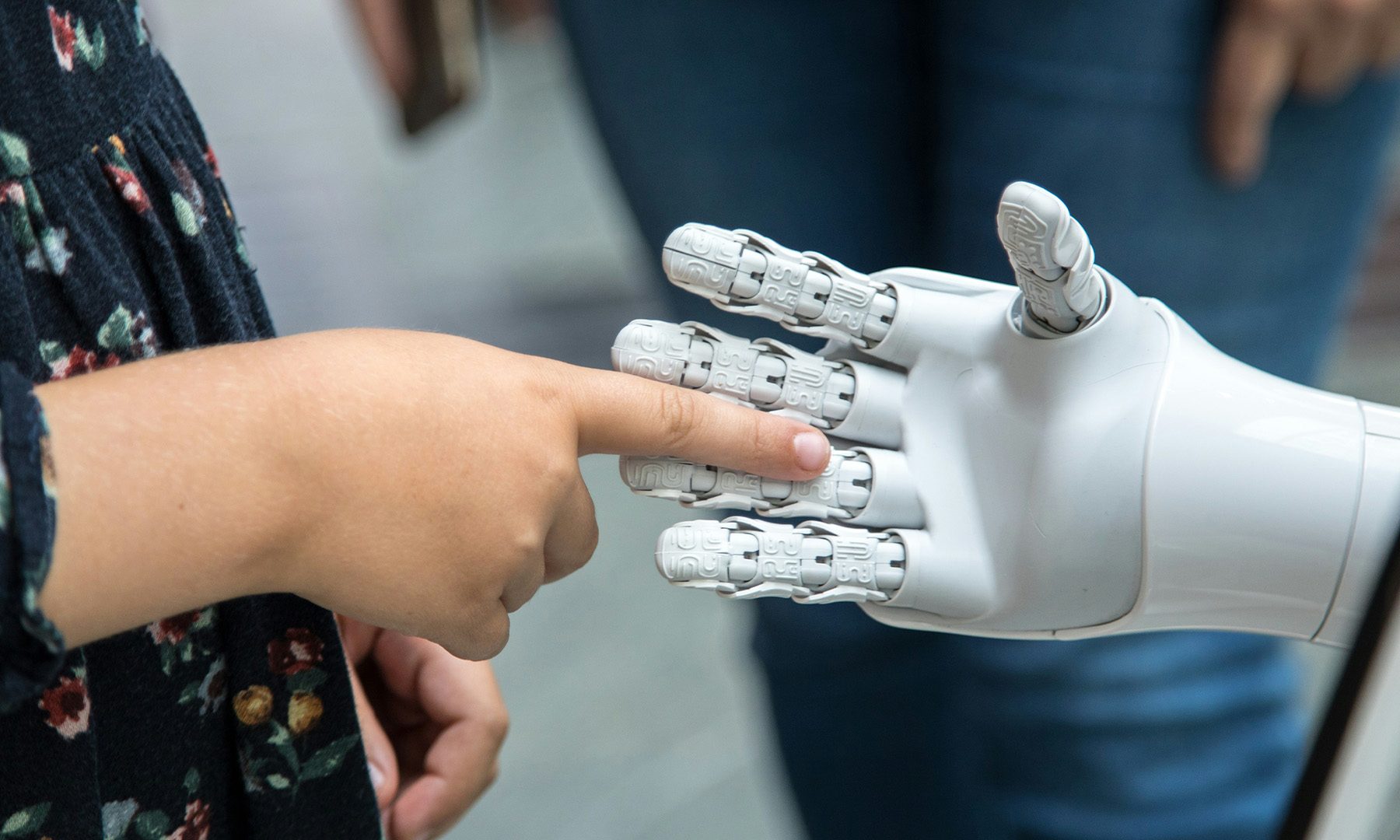
Robot Touch Human Finger

Samsung wants a place in the humanoid race, but its new robotics push begins with machines built for factories rather than homes.

The CEO-led RX robotics division will initially focus on manufacturing robots. Samsung has separately identified humanoids as a priority, although it hasn’t announced a commercial model or explained where one fits into the division’s immediate plans.

Read more
The future of AI may depend on this one behind-the-scenes change
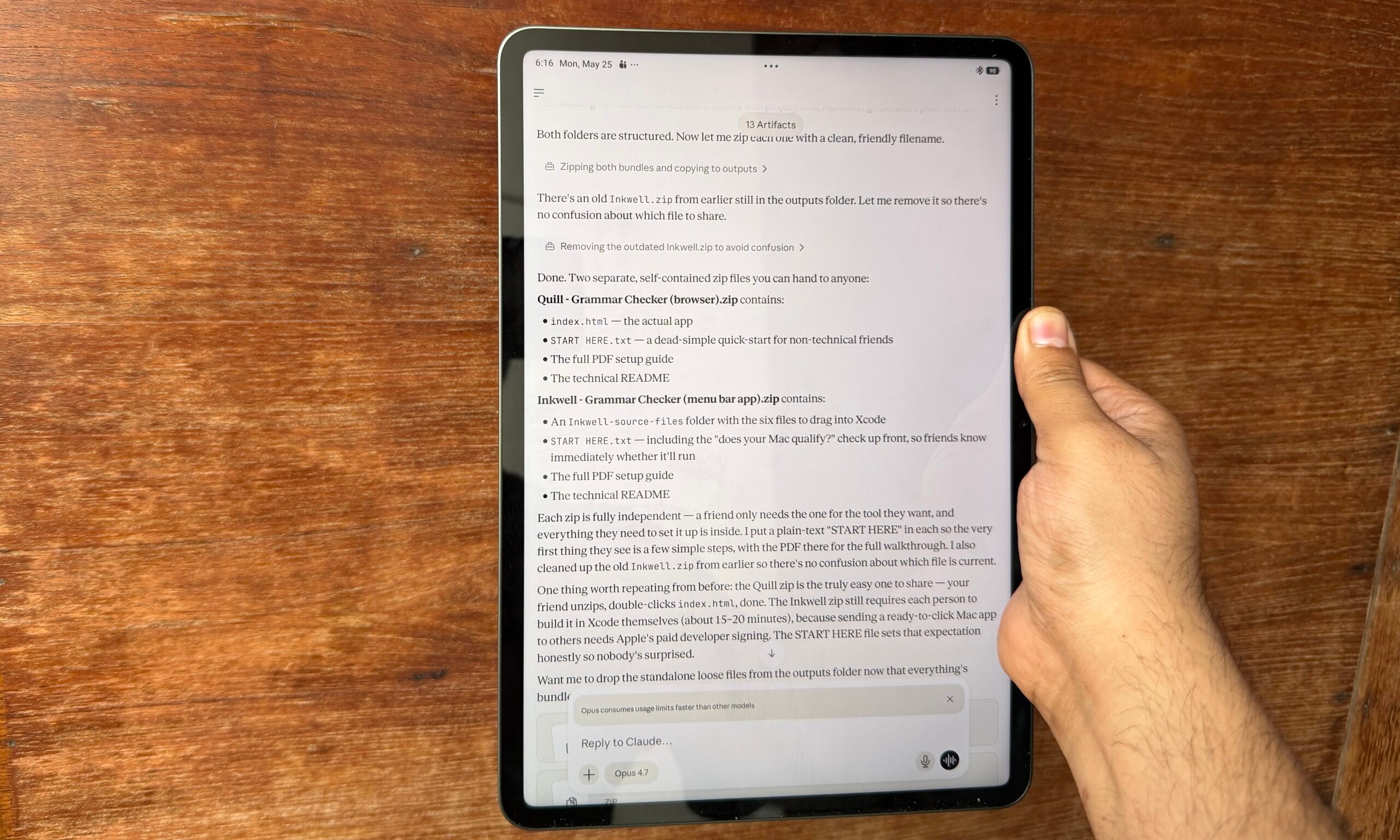
Running Claude on Android.

Whenever a new AI model arrives, it's easy to get caught up in the bells and whistles. We talk about how much smarter it is, how quickly it answers questions, or how realistic its images have become. But here's the thing: none of that matters much if the AI can't reliably work with the apps and services people use every day.

That's why an upcoming update to the Model Context Protocol (MCP) caught my attention. It isn't a new chatbot or a fancy AI model. In fact, most people will never even know it's happening. But it could quietly make the AI ecosystem a lot healthier. If you've never heard of MCP before, don't worry. Think of it as a shared language that lets AI assistants safely talk to apps like Gmail, Slack, calendars, databases, and countless other services. Instead of every company inventing its own way to make those connections, MCP gives everyone a common rulebook.

Read more