1. Home
  2. Photography
  3. News

NASA approves Hubble Space Telescope for 5 more years of operation

Add as a preferred source on Google

On April 25, 1990, NASA launched the Hubble Space Telescope (HST) into orbit to explore the final frontier. In the twenty-six years since, it’s done exactly what it was intended to do and more, capturing some of the most impressive and iconic images, all of which are literally out of this world.

Although its replacement already has a 2018 launch date scheduled, NASA has announced Hubble will continue to operate in its current capacity until 2021 while helmed by the Space Telescope Science Institute in Baltimore.

Recommended Videos

Considering its last service mission — carried out in 2009 — was only expected to permit five more years of operation, it’s amazing that this 24,000 pound machine is still capturing images with the help of its 7.9-foot mirror seven years later.

The extra years are more than welcomed, though. By extending Hubble’s operational timeframe, its use will overlap with the operation of its successor, the James Webb Space Telescope (JWST).

While Hubble views the world through visible and ultraviolet light, the JWST will see only in infrared. By combining the imaging capabilities of both telescopes, astronomers will be able to view outer space with even more detail than originally expected through the capture of an even larger collection of wavelengths.

Hubble user Boris Gänsicke of the University of Warwick said to New Scientist, “It’s fantastic news […] It will give us two completely independent ways of analyzing the same materials, which greatly strengthens the result and allows us to work out what kind of minerals these asteroids were made of.”

But until the two telescopes are in the sky together, it’s up to Hubble to continue wowing the world with incredible images. If history is anything to go by though, there’s no reason to believe that won’t be the case.


Gannon Burgett
Former Editor
RAMmageddon is coming for cameras, and your dream setup is in the crosshairs
Fujifilm's camera price hikes are just the latest sign of a DRAM crisis reshaping costs beyond smartphones and laptops.
Fujifilm's X100VI camera, released in 2024.

If you've been saving up for a new camera, I've got some bad news for you. Waiting until fall just got a lot more expensive. And this isn't some isolated issue troubling the camera industry. 

It's the same global chip crisis coming for basically everything with a processor and memory inside it.

Read more
Fujifilm Instax Mini 13 review: This instant camera won me over with its no-frills retro charm
From printing instant memories to rediscovering the fading charm of polaroids, Fujifilm's camera offers a budget route to a simple indulgence.
Fujifilm Instax mini 13 camera.

See at Amazon

Quick review

Read more
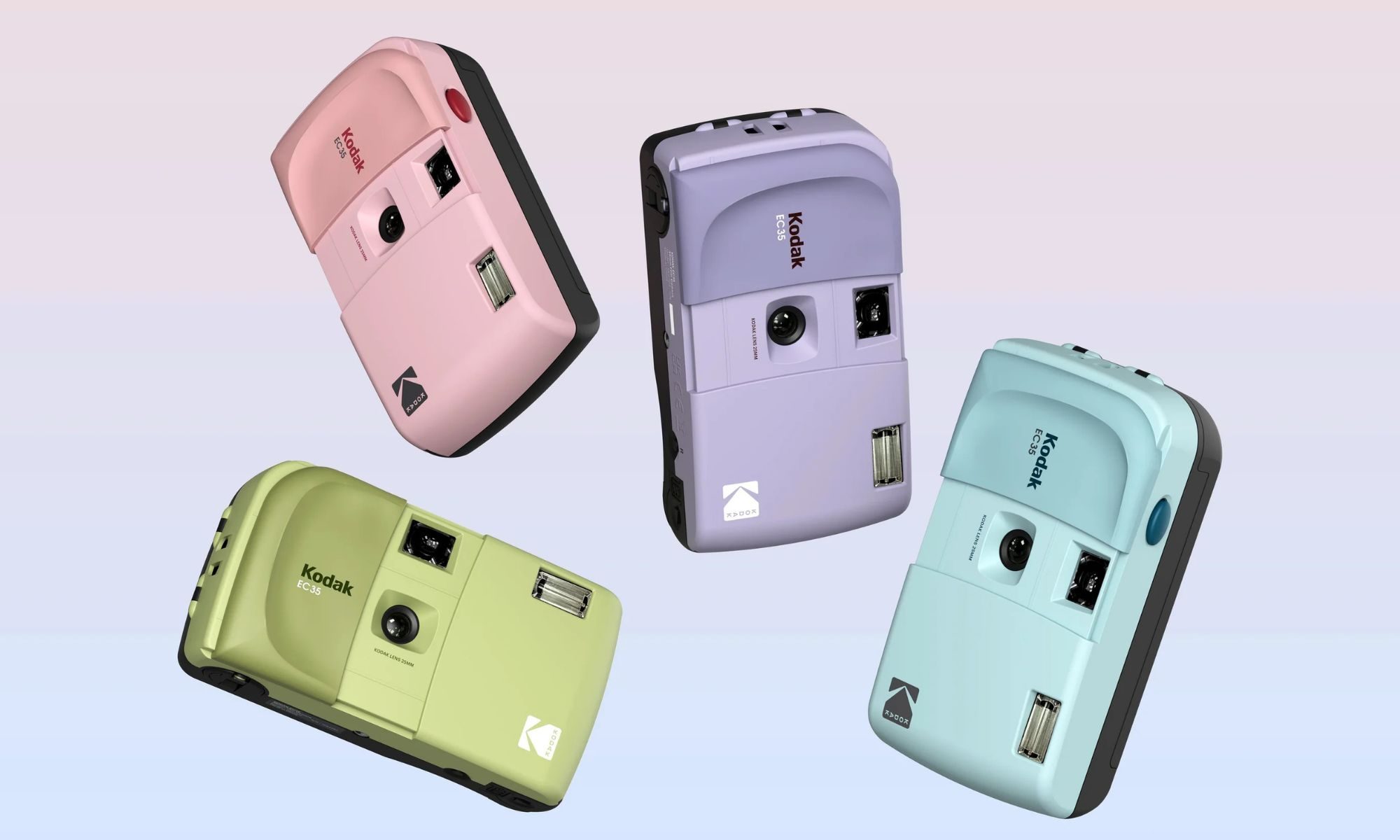
Want to try film photography? Kodak’s new $35 camera is a great place to start
This retro inspired Kodak EC35 camera keeps film photography refreshingly simple.
Kodak-EC35

If you've been curious about film photography but didn't want to spend a fortune, Kodak has a new camera worth checking out. The new Kodak EC35 is a reusable 35mm point-and-shoot camera that costs just $34.99, making it one of the most affordable ways to try shooting on film.

Developed by Reto Project under the Kodak brand, the EC35 keeps things simple with a lightweight design, automatic flash, and a pocket-friendly body. It also arrives as interest in analog photography continues to grow, offering beginners an inexpensive alternative to disposable film cameras.

Read more