1. Home
  2. Emerging Tech
  3. News

Crops grown on Martian soil have been deemed safe to eat

Add as a preferred source on Google

When we finally manage to make our way off of planet Earth and onto Mars, rest assured that we won’t have to sustain ourselves on dehydrated astronaut meals (like those not so enjoyed by Scott Kelly during his record-setting tenure in space). Instead, we’ll be able to grow crops in Martian soil. And we know this because we’ve already done it here on Earth. Dutch scientists have managed to grow crops, including four vegetables and cereals, in soil “similar to that on Mars,” and have deemed it safe to eat.

Sure, it’s not actually soil straight from the source, but it does contain many of the same elements as what might be found on the red planet. And not only were scientists able to grow crops, but they were able to grow them “abundantly.” Radishes, peas, rye, and tomatoes were all harvested in the course of the latest experiment, and contained “no dangerous levels” of heavy metals, according to the team from Wageningen University in the Netherlands.

Recommended Videos

“These remarkable results are very promising,” senior ecologist Wieger Wamelink noted of the results. “We can actually eat the radishes, peas, rye and tomatoes, and I am very curious what they will taste like.”

Scientists have actually been trying to emulate agriculture on Mars since 2013, and over the last three years, have raised 10 different crops. And while those grown on Martian soil on Earth are safe to eat, it’s unclear if plants actually grown on Mars would be consumable — after all, it’s unclear as to whether or not these crops would absorb heavy metals like cadmium, copper, and lead.

“It’s important to test as many crops as possible, to make sure that settlers on Mars have access to a broad variety of different food sources,” said Wamelink.

And more tests will soon be carried out on six more crops, including potatoes, to determine their viability on Mars. Researchers say they will be turning to a crowdsourcing campaign for the funds needed to sustain their work, and if I were a betting woman, I’d bet that people would be more than happy to chip in to improve their Martian descendants’ future diets.

NASA has ambitious plans for a trip to Mars within the next decade or so, and of course, Elon Musk has also expressed interest in colonizing Mars. And if we want to enjoy our time on the red planet when we get there, we better have some delicious produce to eat.

Lulu Chang
Fascinated by the effects of technology on human interaction, Lulu believes that if her parents can use your new app…
Yet another study says AI is bad for elections, and the rabbit hole gets worse
AI may be an election bomb waiting for someone to light the fuse
Voters cast their ballots on Election Day

Another election, another study has concluded that asking an AI chatbot for political guidance is a spectacularly bad idea. Research conducted during Hungary’s 2026 parliamentary election found that ChatGPT and Google Gemini offered not just inaccurate but also inconsistent and unreliable voting advice. The chatbots misclassified voter profiles, overlooked relevant parties, recommended parties absent from the ballot, and sometimes produced materially different answers when given the same information repeatedly.

AI keeps failing the voter test

Read more
Samsung’s humanoid robot ambitions are real, but factories come first
Samsung’s new robotics division has humanoids in its sights, although its immediate business is far more practical factory automation
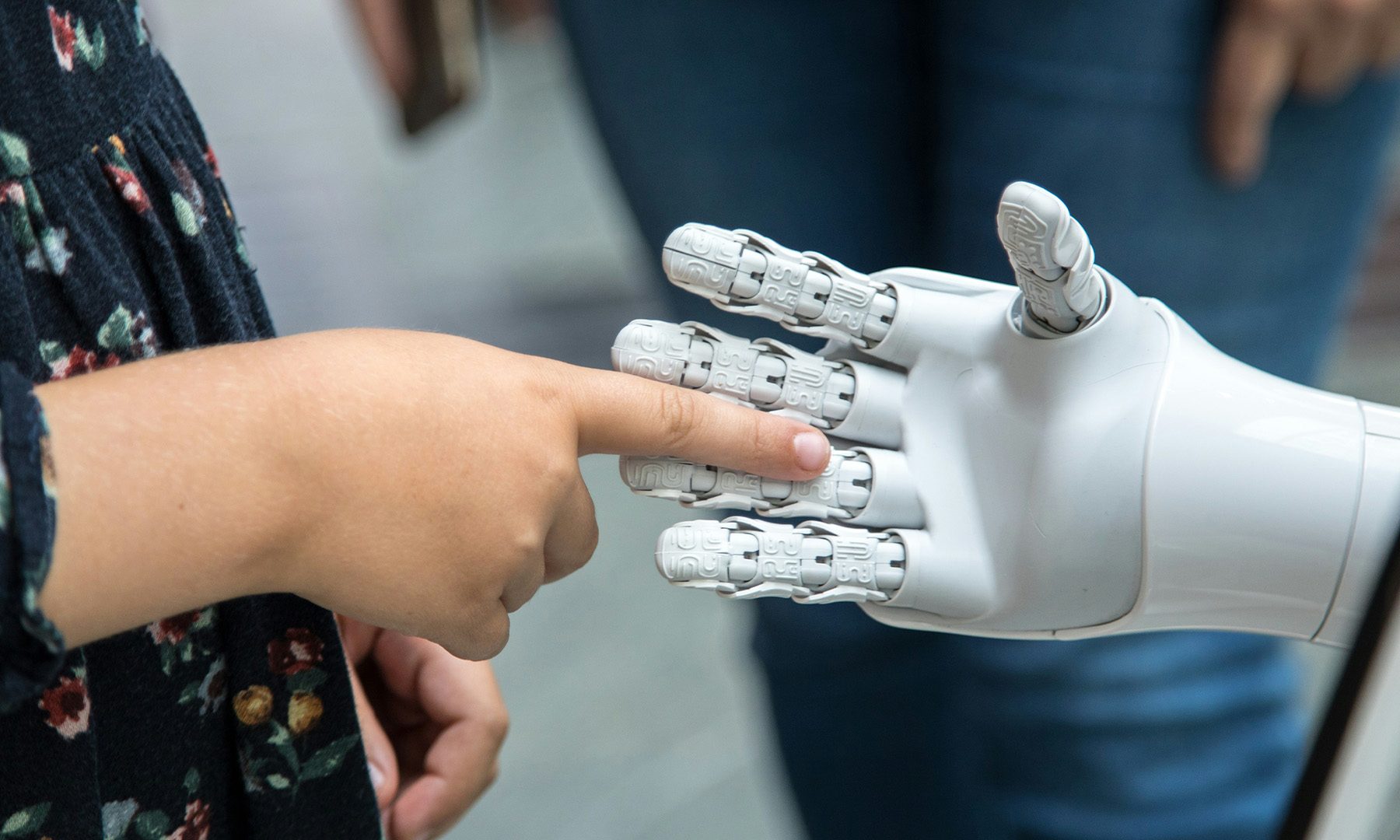
Robot Touch Human Finger

Samsung wants a place in the humanoid race, but its new robotics push begins with machines built for factories rather than homes.

The CEO-led RX robotics division will initially focus on manufacturing robots. Samsung has separately identified humanoids as a priority, although it hasn’t announced a commercial model or explained where one fits into the division’s immediate plans.

Read more
The future of AI may depend on this one behind-the-scenes change
Running Claude on Android.

Whenever a new AI model arrives, it's easy to get caught up in the bells and whistles. We talk about how much smarter it is, how quickly it answers questions, or how realistic its images have become. But here's the thing: none of that matters much if the AI can't reliably work with the apps and services people use every day.

That's why an upcoming update to the Model Context Protocol (MCP) caught my attention. It isn't a new chatbot or a fancy AI model. In fact, most people will never even know it's happening. But it could quietly make the AI ecosystem a lot healthier. If you've never heard of MCP before, don't worry. Think of it as a shared language that lets AI assistants safely talk to apps like Gmail, Slack, calendars, databases, and countless other services. Instead of every company inventing its own way to make those connections, MCP gives everyone a common rulebook.

Read more