1. Home
  2. Emerging Tech
  3. News

The Curiosity rover is going to look for water on Mars

Add as a preferred source on Google

We’re already testing crops grown on Martian soil, so of course it’s only natural that we begin searching for water on the Red Planet as well. After all, we need to get it ready for our habitation, right? NASA certainly thinks so, and the space agency has suggested that the Curiosity rover begin its quest for liquid sustenance. The rover will take a closer look at recurring slope lineae (RSL), which are the streaks seen near the planet’s Gale Crater for signs of H2O. After taking initial photographs with its mast camera, the rover will make its way to the area in question to collect samples. And hopefully, results will confirm what scientists said last year — that liquid water does indeed exist on Mars.

The presence of water on the planet would be a huge step forward in establishing Mars as a viable alternative for Earth, should the need arise. And the hope is that if there’s water, there might also be signs of life on Mars.

Recommended Videos

Of course, it’s unlikely that even if living organisms are present on the Red Planet and the Curiosity manages to take samples, they wouldn’t survive the sterilization process, or the harsh conditions on Mars itself. All the same, being able to prove the presence of water could catalyze further missions to Mars, perhaps with even more exciting revelations.

“Soon, hopefully within a year, we will be in a position to take higher-resolution images of the area that’s purported to be an RSL, at a much higher resolution than that of MRO [Mars Reconnaissance Orbiter],” Jim Green, Director of NASA’s Planetary Science Division, told Aviation Week of the rover’s upcoming expedition. “And then we’d be able to observe it … and say, ‘no, that’s really a dust slide,’ or watch it change.”


 So get excited, friends. Your second home away from Earth may be becoming more viable after all.
Lulu Chang
Fascinated by the effects of technology on human interaction, Lulu believes that if her parents can use your new app…
Yet another study says AI is bad for elections, and the rabbit hole gets worse
AI may be an election bomb waiting for someone to light the fuse
Voters cast their ballots on Election Day

Another election, another study has concluded that asking an AI chatbot for political guidance is a spectacularly bad idea. Research conducted during Hungary’s 2026 parliamentary election found that ChatGPT and Google Gemini offered not just inaccurate but also inconsistent and unreliable voting advice. The chatbots misclassified voter profiles, overlooked relevant parties, recommended parties absent from the ballot, and sometimes produced materially different answers when given the same information repeatedly.

AI keeps failing the voter test

Read more
Samsung’s humanoid robot ambitions are real, but factories come first
Samsung’s new robotics division has humanoids in its sights, although its immediate business is far more practical factory automation
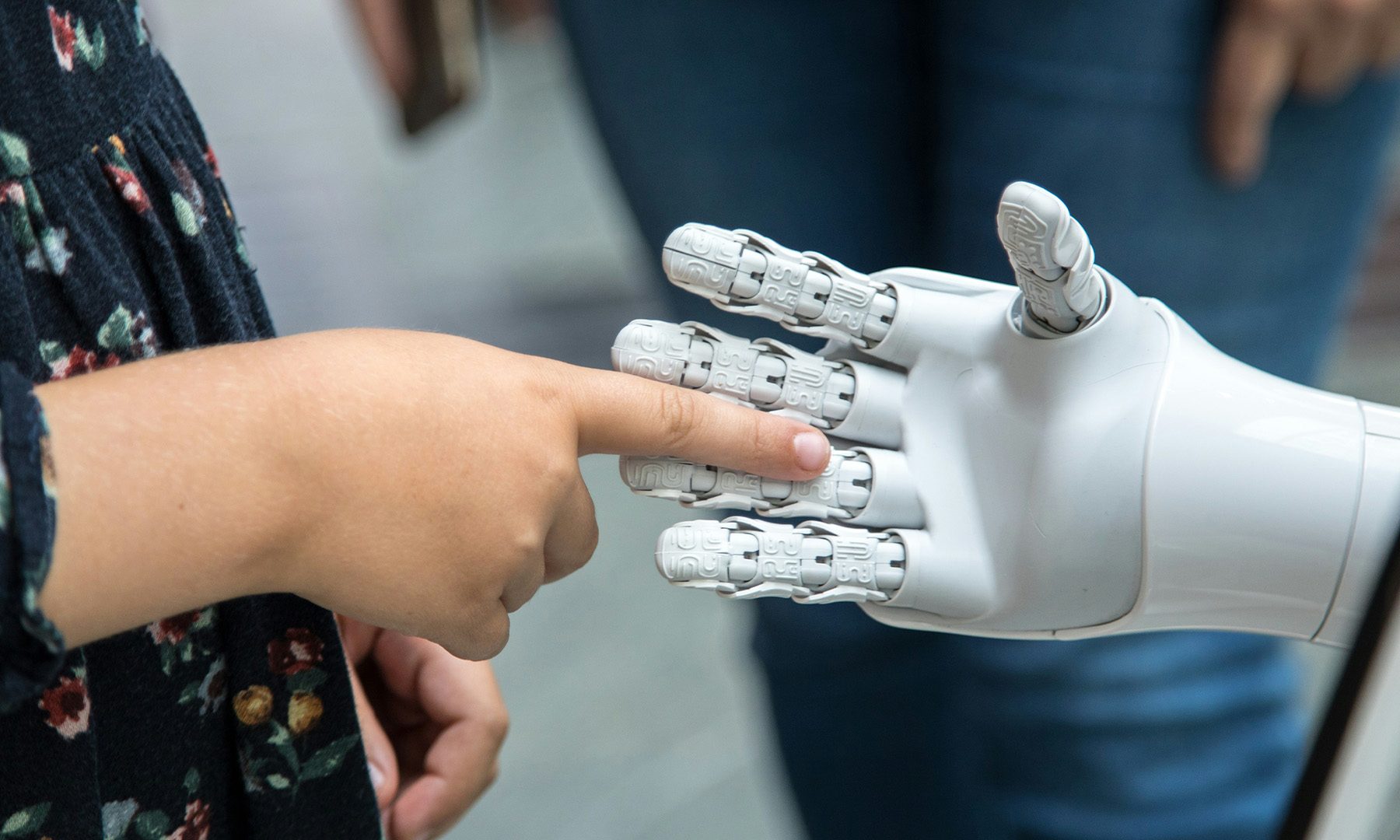
Robot Touch Human Finger

Samsung wants a place in the humanoid race, but its new robotics push begins with machines built for factories rather than homes.

The CEO-led RX robotics division will initially focus on manufacturing robots. Samsung has separately identified humanoids as a priority, although it hasn’t announced a commercial model or explained where one fits into the division’s immediate plans.

Read more
The future of AI may depend on this one behind-the-scenes change
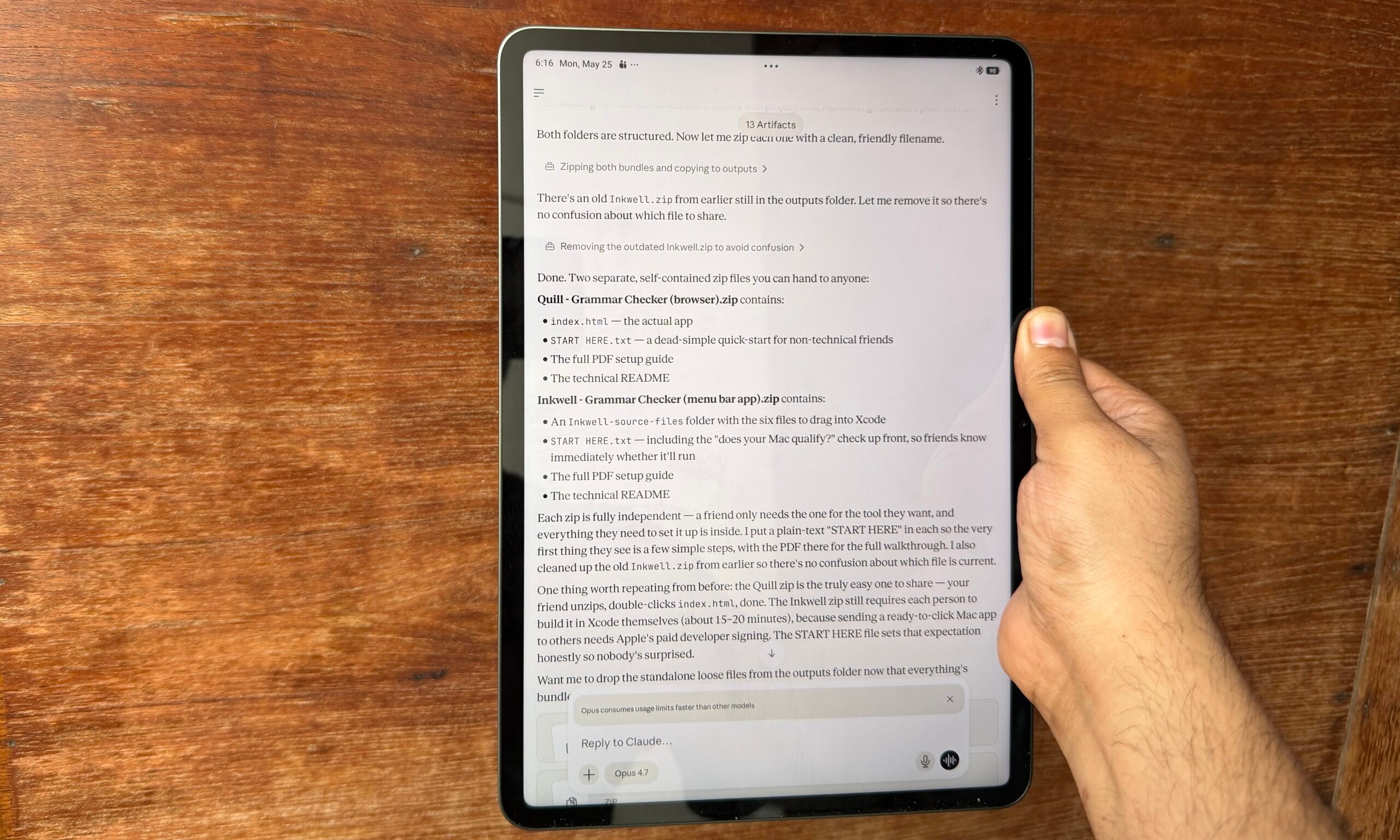
Running Claude on Android.

Whenever a new AI model arrives, it's easy to get caught up in the bells and whistles. We talk about how much smarter it is, how quickly it answers questions, or how realistic its images have become. But here's the thing: none of that matters much if the AI can't reliably work with the apps and services people use every day.

That's why an upcoming update to the Model Context Protocol (MCP) caught my attention. It isn't a new chatbot or a fancy AI model. In fact, most people will never even know it's happening. But it could quietly make the AI ecosystem a lot healthier. If you've never heard of MCP before, don't worry. Think of it as a shared language that lets AI assistants safely talk to apps like Gmail, Slack, calendars, databases, and countless other services. Instead of every company inventing its own way to make those connections, MCP gives everyone a common rulebook.

Read more