The wearable industry is seriously heating up, but it seems like all the attention goes to the adult-aimed devices, and those devices alone. What about the kids?
Related: Jawbone boss rubbishes recent reports suggesting it’s exiting wearables
Thankfully, there are a ton of great devices out there for kids, from smartwatches to trackers. Many of these wearables are built for safety. Thanks to GPS technology, it’s now easier than ever to keep tabs on your child without them having to sacrifice their independence. There are plenty of devices built for other purposes, too, including those with screens, games, and fitness capabilities. Below are a few of our favorites.
My Buddy Tag ($38+)
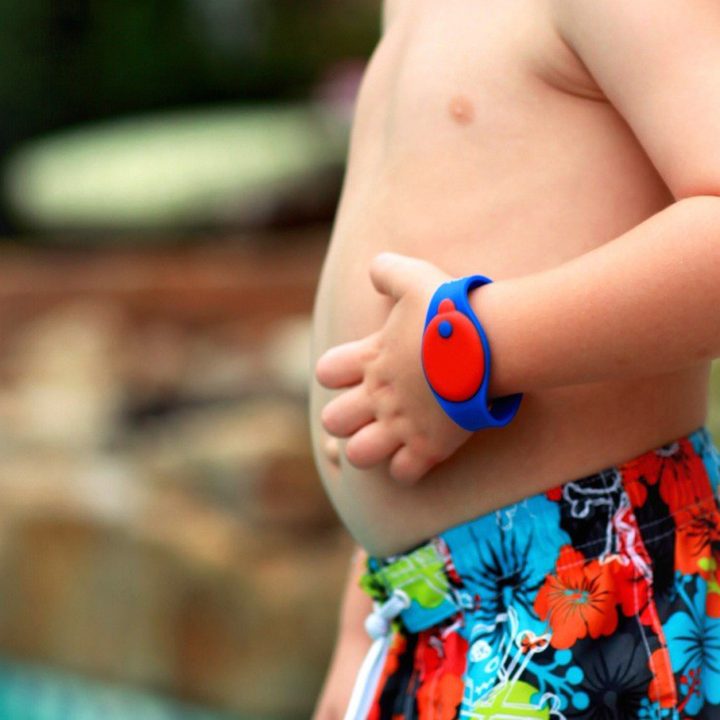
If you’re looking for a way to easily track your kids’ whereabouts, My Buddy Tag is a simple and reasonably priced way to do so. The design of the device is simple and colorful, and under the hood, it uses Bluetooth to keep in touch with connected devices.
Of course, since it uses Bluetooth, it is limited when it comes to range. It can reach up to 40 feet indoors, and between 80 and 120 feet outdoors, so this isn’t a device for the kids to have at school unless you’re the teacher. The device can also keep track of multiple children at once, which is great for the families with more than one child. One of the great things about My Buddy Tag is that it will alert you if the device is submerged in water for more than five seconds, so you can ensure your child is safe. The lightweight device also offers a place for you to write your contact information in the event your child gets lost. My Buddy Tag isn’t the most stylish device around, sure, but it does let you interchange wristbands in case you lose the original or it breaks.
Filip 2 ($150)

Who says a kid can’t have a smartwatch? The Filip 2 smartwatch is aimed at kids between the ages of 4 and 11, and goes beyond a simple Bluetooth tracker. The device incorporates cellular connectivity, meaning parents can call their kids whenever they need to. In other words, it’s basically a dumbed-down smartphone that attaches to your child’s wrist.
The watch is somewhat clunky, but hey, at least your child won’t lose it when its strapped to their wrist, like they might an actual smartphone. It features two large buttons, one of which can be held down to trigger a location beacon, start an ambient sound recording, or call and send a message to the primary number associated with the device. If the contact doesn’t pick up the phone, then the device will call various contacts until someone answers. Not only that, but parents can set up “safe zones,” and parents will be alerted when their child leaves those designated areas. Last but not least, the watch continuously tracks the child’s location using GPS, GSM, and Wi-Fi.
In other words, if you’re worried about the safety of your children, this is the device for you. Well, it’s the device for you if you’re on AT&T, the only carrier that currently offers the Filip 2.
PocketFinder ($122+)
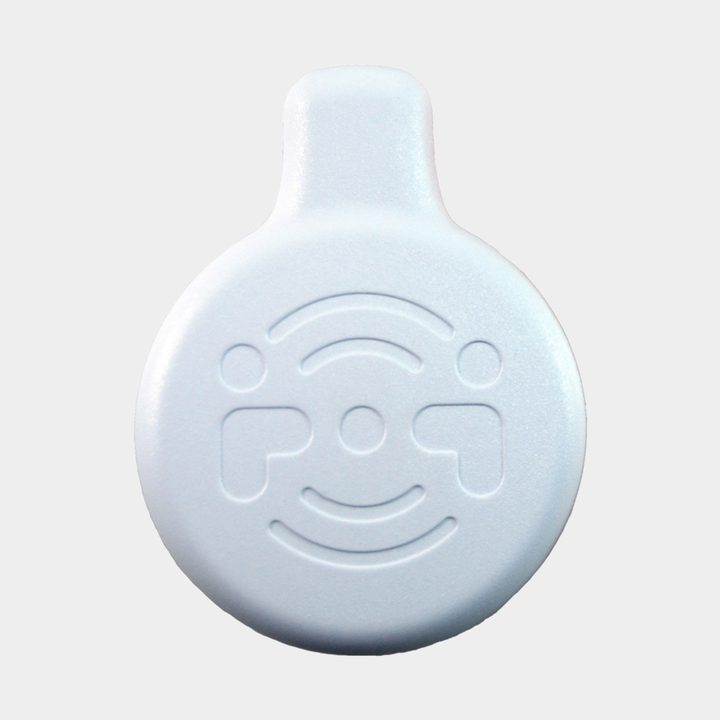
Who says a tracker needs to be strapped to the wrist? PocketFinder can hide in — you guessed it — your child’s pocket, but it can also sit in their backpack or anywhere else, as long as it goes where they go. PocketFinder requires no input from your child, either. The gadget uses GPS and GSM to send a signal to the PocketFinder servers every two minutes. Parents can then log into the app to see their child’s whereabouts. The device also features a “tap alert” function, which allows children to send an emergency message simply by tapping PocketFinder on a hard surface three times.
Given that PocketFinder connects to cell towers, however, it does require a monthly payment. Said fee amounts to $12.95 in North America and $30 internationally. Thankfully, the first two months are included in the price of the hardware.
Mimo Smart Baby Monitor ($200)
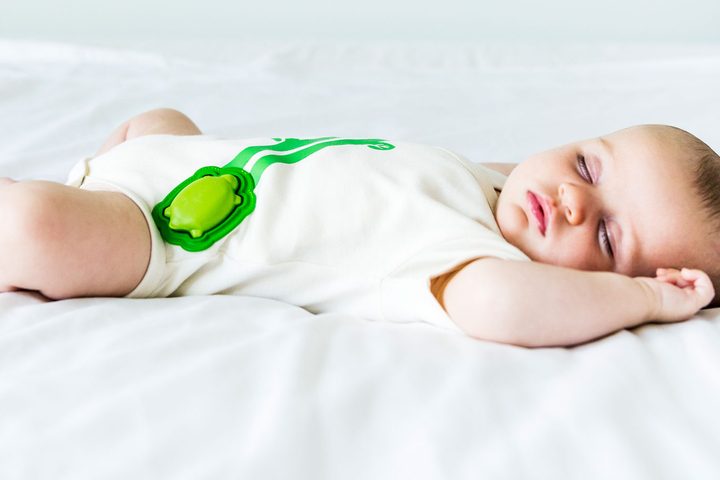
Most of these wearables are for kids that are going to be out and about, whether at school or with friends. But what about the really young kids — the babies? Mimo combines a baby monitor with a fitness tracker in a bodysuit, allowing you to monitor your child’s sleeping habits, breathing, temperature, body position, and so on. All the information is sent directly to your smartphone using Bluetooth Low Energy, which Mimo is quick to remind us is the safest version of Bluetooth around. You can even get real-time audio, and share the information with caretakers who might need it.
The Mimo Smart Monitor is available in a range of sizes, too, so you can continue using it as your baby grows. Don’t worry though — you won’t have to shell out $200 to buy one every few months, either. Instead, you can just buy the bodysuit component and continue using the same tracker. Each bodysuit costs $30, and is available in a range of different colors.
VTech Kidizoom Action Cam ($39)
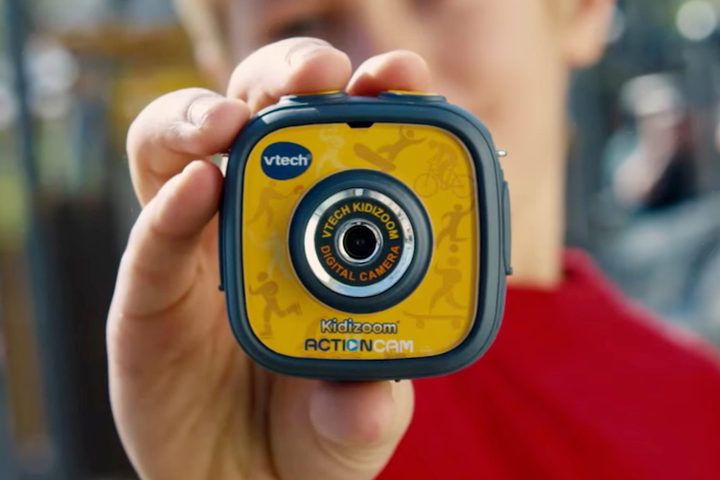
Who says kid wearables are limited to health and safety? What ever happened to having fun? While companies like GoPro have largely dominated the action cam market, there are some great devices built specifically for kids, like the VTech Kidizoom Action Cam. The camera doesn’t have to worn, as it can be mounted to a bike, skateboard, or similar apparatus. It can capture both photos and video, which your budding videographer can then upload to a computer for a sweet demo reel. It even has built-in games and a waterproof, durable exterior that’s bound to protect the device if dropped. Plus, it’s relatively affordable at $39.